THE ADVENTURE COLLECTIVE® · Independent discovery and booking for outdoor travel

Walk Battery Point with a local guide and trace Hobart’s maritime rise through Georgian homes, shipbuilders’ marks and compact green squares. This two-hour tour ends in Salamanca Square, where history meets lively markets and waterfront cafés.
Walk Battery Point with a local guide and trace Hobart’s maritime rise through Georgian homes, shipbuilders’ marks and compact green squares. This two-hour tour ends in Salamanca Square, where history meets lively markets and waterfront cafés.
The tour begins at the steps of Parliament House, where the city’s civic face gives way to a quieter quarter of steep-lipped cottages, Georgian facades and narrow lanes. Guides move with the rhythm of the street—pointing out carved lintels, ironwork balconies and the occasional shipwright’s mark—while the sound of the Derwent River threads through the neighborhood like a persistent reminder of Hobart’s maritime past.
Verified experiences and guided adventures in the surrounding area.
Operated by Capital Travel Manuka · Hobart, Tasmania
The tour begins at the steps of Parliament House, where the city’s civic face gives way to a quieter quarter of steep-lipped cottages, Georgian facades and narrow lanes. Guides move with the rhythm of the street—pointing out carved lintels, ironwork balconies and the occasional shipwright’s mark—while the sound of the Derwent River threads through the neighborhood like a persistent reminder of Hobart’s maritime past.
Battery Point was farmland until the early 19th century, then transformed by whalers, sealers and the presence of the Royal Navy. Wealth poured in on the backs of timber, wool and rum; the result is a compact district where Governor Arthur’s land deals and Reverend Knopwood’s colorful anecdotes are written into brick and mortar. Walking past Arthur’s Circus—an elegant circular green ringed by Georgian villas—you’ll get a tactile sense of how trade shaped residential life, and why shipbuilding magnates like Alexander MacGregor left behind grand homes that still frame the streetscape.
Geology here is subtle: a ridge of dolerite and sandstone underpins Battery Point, giving the lanes their rise above the tidal flats that once made the harbor an easy shipyard. Culture shows up in little ways—iron railings, slate roofs, and the ongoing rotation of Salamanca Market stalls at the tour’s finish—where contemporary artisans trade goods in the shadow of colonial warehouses.
The walk covers short distances on paved streets and some stone steps (Kelly’s Steps nearby), with minimal elevation but a few uneven surfaces. Guides bring local color—recommending cafés, boutique shops and the best vantage points for photographing the harbor—while reminding you to respect private properties. Note the tour is listed as physically easy but is not recommended for travelers with spinal, cardiovascular concerns or pregnancy; consider this if you have mobility needs.
Practicalities are straightforward: the group meets at Parliament House and finishes in Salamanca Square after roughly two hours of storytelling and sightseeing. Wear comfortable shoes for city walking, bring a light rain shell in changeable weather, and carry a small water bottle—Hobart’s weather can pivot quickly, even on a clear morning. Morning tours offer softer light and fewer market crowds; late afternoon brings warmer tones on sandstone and an active waterfront scene.
This is a local-first experience—less about checking boxes and more about the human stories written into a community that once serviced great ships and now serves curious walkers. Ask your guide about post-tour options for food and souvenirs; the transition from history lesson to local café is part of the pleasure.
easy.
2 hours.
Suitable for most fitness levels—expect 1.5–3 km of slow walking on paved streets with occasional steps.
The meeting point is Parliament House in central Hobart; the guide will be there at the scheduled start time.
The tour is approximately two hours and covers about 1.5–3 km at a leisurely pace on paved streets.
Yes—it's rated easy and family-friendly, but there are some steps and uneven surfaces; inquire about mobility needs before booking.
Standard tours are conducted in English; private or specialized language tours may be available on request.
The tour operates in light rain; for a full refund you must cancel at least 24 hours in advance per the booking policy.
The walk ends in Salamanca Square—guides typically offer recommendations for cafés, shops and the Salamanca Market if it’s operating.
Battery Point evolved from 19th-century farm to prosperous maritime neighborhood as Hobart’s port traded timber, wool and rum; Governor Arthur and shipbuilders like Alexander MacGregor shaped its streets.
Respect heritage-listed homes and private gardens, stick to public paths, and support local businesses to keep the historic precinct vibrant and well-maintained.
Capital Travel Manuka operates guided outdoor trips and adventures with an emphasis on safety, stewardship, and memorable experiences.
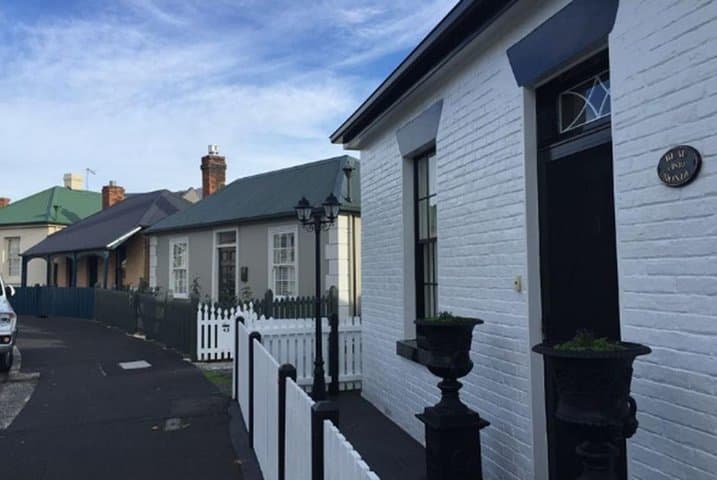
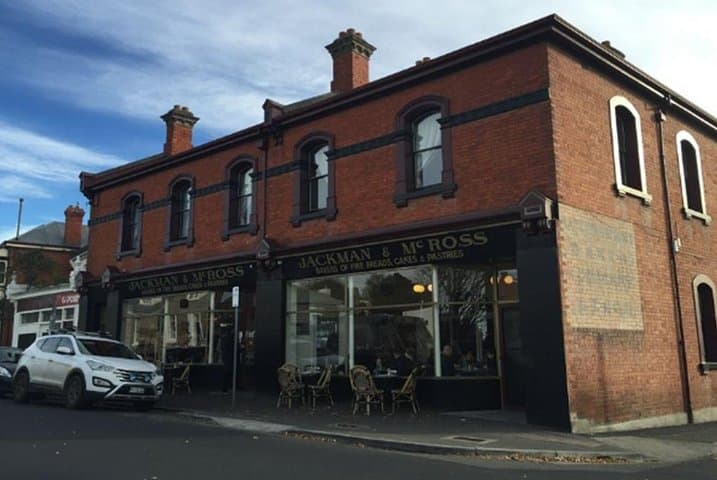
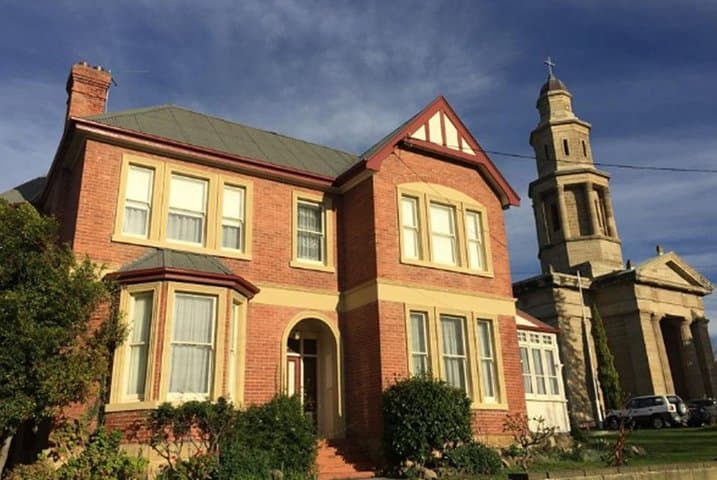
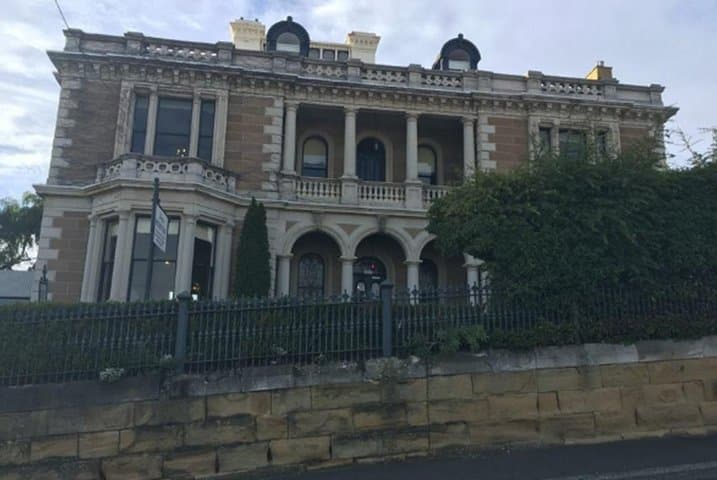
The tour begins at the steps of Parliament House, where the city’s civic face gives way to a quieter quarter of steep-lipped cottages, Georgian facades and narrow lanes. Guides move with the rhythm of the street—pointing out carved lintels, ironwork balconies and the occasional shipwright’s mark—while the sound of the Derwent River threads through the neighborhood like a persistent reminder of Hobart’s maritime past.
The tour begins at the steps of Parliament House, where the city’s civic face gives way to a quieter quarter of steep-lipped cottages, Georgian facades and narrow lanes. Guides move with the rhythm of the street—pointing out carved lintels, ironwork balconies and the occasional shipwright’s mark—while the sound of the Derwent River threads through the neighborhood like a persistent reminder of Hobart’s maritime past.
Battery Point was farmland until the early 19th century, then transformed by whalers, sealers and the presence of the Royal Navy. Wealth poured in on the backs of timber, wool and rum; the result is a compact district where Governor Arthur’s land deals and Reverend Knopwood’s colorful anecdotes are written into brick and mortar. Walking past Arthur’s Circus—an elegant circular green ringed by Georgian villas—you’ll get a tactile sense of how trade shaped residential life, and why shipbuilding magnates like Alexander MacGregor left behind grand homes that still frame the streetscape.
Geology here is subtle: a ridge of dolerite and sandstone underpins Battery Point, giving the lanes their rise above the tidal flats that once made the harbor an easy shipyard. Culture shows up in little ways—iron railings, slate roofs, and the ongoing rotation of Salamanca Market stalls at the tour’s finish—where contemporary artisans trade goods in the shadow of colonial warehouses.
The walk covers short distances on paved streets and some stone steps (Kelly’s Steps nearby), with minimal elevation but a few uneven surfaces. Guides bring local color—recommending cafés, boutique shops and the best vantage points for photographing the harbor—while reminding you to respect private properties. Note the tour is listed as physically easy but is not recommended for travelers with spinal, cardiovascular concerns or pregnancy; consider this if you have mobility needs.
Practicalities are straightforward: the group meets at Parliament House and finishes in Salamanca Square after roughly two hours of storytelling and sightseeing. Wear comfortable shoes for city walking, bring a light rain shell in changeable weather, and carry a small water bottle—Hobart’s weather can pivot quickly, even on a clear morning. Morning tours offer softer light and fewer market crowds; late afternoon brings warmer tones on sandstone and an active waterfront scene.
This is a local-first experience—less about checking boxes and more about the human stories written into a community that once serviced great ships and now serves curious walkers. Ask your guide about post-tour options for food and souvenirs; the transition from history lesson to local café is part of the pleasure.