THE ADVENTURE COLLECTIVE® · Independent discovery and booking for outdoor travel

Spend three full days exploring Bariloche’s signature sights: the panoramic miradors of Circuito Chico, the rare Arrayanes forest on Victoria Island, and the storied Seven Lakes drive to San Martín de los Andes. This packaged itinerary pairs guided insight with seamless transfers for busy travelers.
Spend three full days exploring Bariloche’s signature sights: the panoramic miradors of Circuito Chico, the rare Arrayanes forest on Victoria Island, and the storied Seven Lakes drive to San Martín de los Andes. This packaged itinerary pairs guided insight with seamless transfers for busy travelers.
The bus eases out of Bariloche as morning light bleeds across the dark skin of Nahuel Huapi. Wind lifts off the lake and pushes the pine-scented air into the cabin; guides point to ridgelines and islands like hand signals from a map. Over three full days, this packaged route stitches together the best short encounters with northern Patagonia: the cliff-topped viewpoints of Circuito Chico, the odd orange trunks of the Arrayanes on Victoria Island, and the slow ribbon of water and road known as the Seven Lakes route to San Martín de los Andes.
Verified experiences and guided adventures in the surrounding area.
Operated by Azul Latina Travel · San Carlos de Bariloche, Río Negro
The bus eases out of Bariloche as morning light bleeds across the dark skin of Nahuel Huapi. Wind lifts off the lake and pushes the pine-scented air into the cabin; guides point to ridgelines and islands like hand signals from a map. Over three full days, this packaged route stitches together the best short encounters with northern Patagonia: the cliff-topped viewpoints of Circuito Chico, the odd orange trunks of the Arrayanes on Victoria Island, and the slow ribbon of water and road known as the Seven Lakes route to San Martín de los Andes.
Geology here is honest and blunt. Glaciers carved basins and left an architecture of granite and deep, cold lakes. The Nahuel Huapi massif is older than the towns that climb its shores; volcanic eruptions and glacial scouring set the stage for the contrasts you see — black rock, white snow caps, and water that can look ink-dark one hour and green-blue the next.
Culturally, this corridor is Mapuche country layered with European alpine influences. Place names and local menus nod to both: you will hear Mapuche words for places and find artisan chocolate and German-style pastries in town. The Arrayanes forest, protected as a national monument, carries a local reverence — it is small, fragile, and watched over by park wardens.
Practicalities are straightforward. Tours include airport transfers, English and Spanish guides, and daily departures, with pickup from central Bariloche hotels. Days are full: expect several hours of road time on Day 3 and a boat crossing on Day 2. Trails are mostly gentle; the Arrayanes route has a short steep section in the opening 800 meters. Comfortable walking shoes, layered clothing, and a daypack with water are enough for most travelers.
Timing matters. Start early to claim quieter viewpoints at Cerro Campanario and a better seat on the returning ferry from Victoria Island. If you are prone to motion sickness, plan accordingly for the lake crossings. Bring local cash for artisan stalls in Colonia Suiza and a camera with a polarizer to cut glare on the lakes.
Accessibility is good: transfers and many sites are wheelchair-friendly, though some paths on Victoria Island are uneven. Book at least three full days in Bariloche — the itinerary assumes full-day excursions and leaves little room for same-day arrivals or departures.
This package is ideal for travelers who want concentrated exposure to Patagonia’s lakes, forests, and mountain roads without long hikes or complex logistics. It delivers scenic variety and regional context in three efficient, well-paced days.
moderate.
3 days (full-day excursions).
Moderate fitness — comfortable walking ability with standing periods and short uphill segments
No technical fitness is required; you should be comfortable walking up to a couple of hours with short steep sections on the Arrayanes trail.
Many viewpoints and transportation options are wheelchair accessible, but some island trails are uneven; notify the operator ahead to arrange assistance.
Lunch is provided during the San Martín de los Andes stop but specific venues may vary; check dietary needs when booking.
Guides provide commentary in Spanish and English as part of the tour inclusions.
Summer (December–March) offers the warmest weather and longest days, but shoulder seasons have fewer crowds and clear visibility.
No — the itinerary requires three full days in Bariloche; arrival or departure on tour days is not compatible with the schedule.
The region combines Mapuche toponyms and a later wave of European settlers; Villa La Angostura and Bariloche grew as summer resorts in the early 20th century.
The Arrayanes forest and parts of Nahuel Huapi are protected national park zones; follow marked trails and avoid taking wood or plant material to limit impact.
Azul Latina Travel operates guided outdoor trips and adventures with an emphasis on safety, stewardship, and memorable experiences.
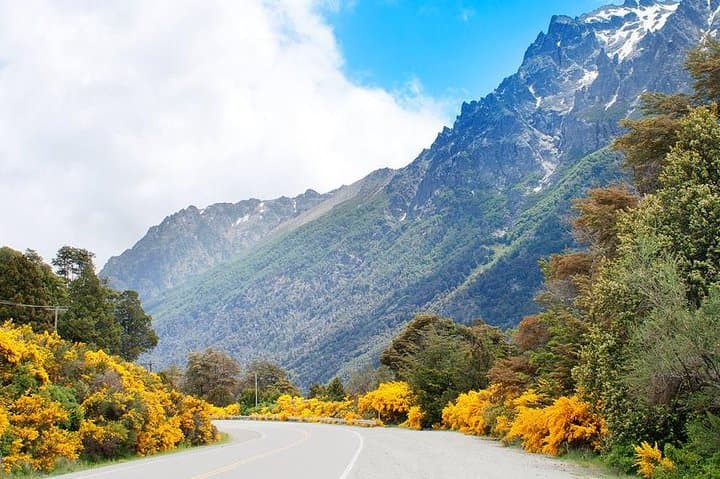
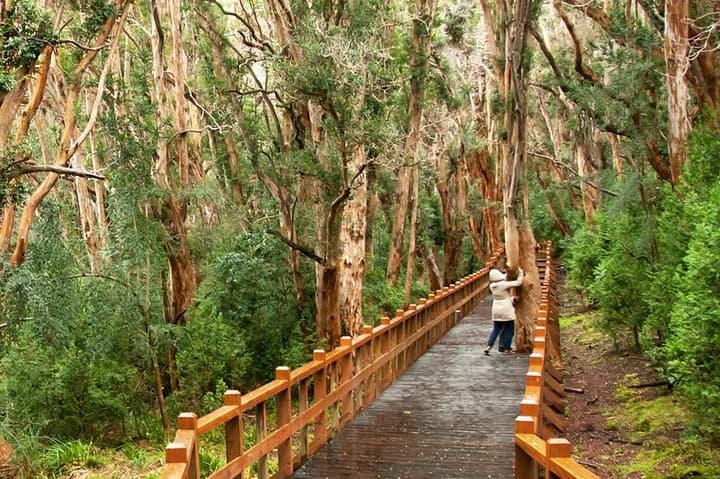
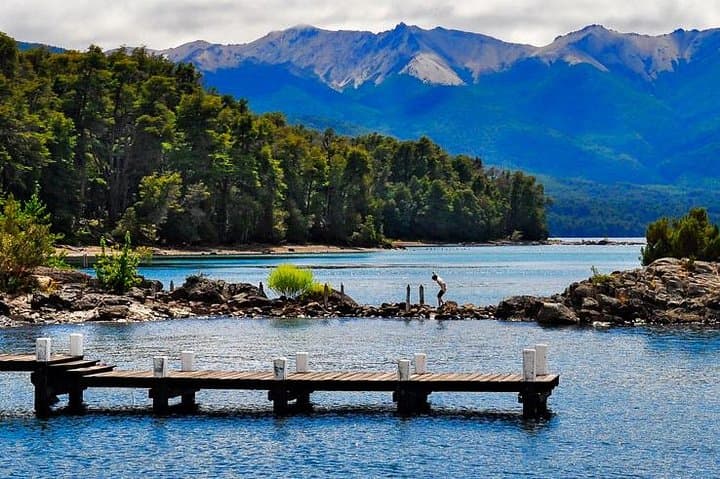
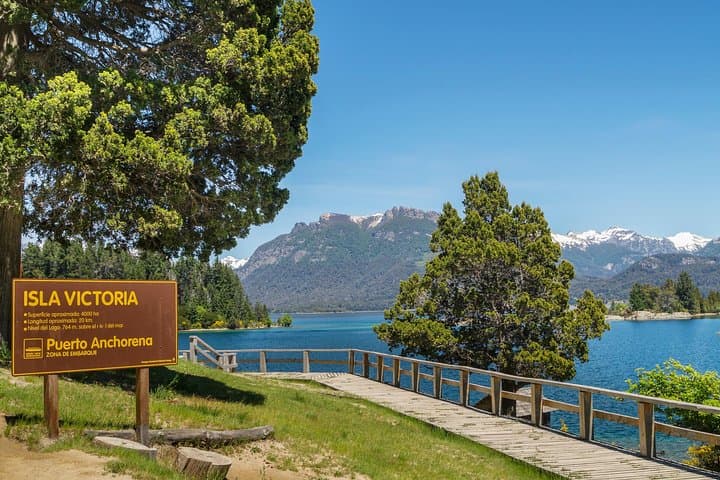
The bus eases out of Bariloche as morning light bleeds across the dark skin of Nahuel Huapi. Wind lifts off the lake and pushes the pine-scented air into the cabin; guides point to ridgelines and islands like hand signals from a map. Over three full days, this packaged route stitches together the best short encounters with northern Patagonia: the cliff-topped viewpoints of Circuito Chico, the odd orange trunks of the Arrayanes on Victoria Island, and the slow ribbon of water and road known as the Seven Lakes route to San Martín de los Andes.
The bus eases out of Bariloche as morning light bleeds across the dark skin of Nahuel Huapi. Wind lifts off the lake and pushes the pine-scented air into the cabin; guides point to ridgelines and islands like hand signals from a map. Over three full days, this packaged route stitches together the best short encounters with northern Patagonia: the cliff-topped viewpoints of Circuito Chico, the odd orange trunks of the Arrayanes on Victoria Island, and the slow ribbon of water and road known as the Seven Lakes route to San Martín de los Andes.
Geology here is honest and blunt. Glaciers carved basins and left an architecture of granite and deep, cold lakes. The Nahuel Huapi massif is older than the towns that climb its shores; volcanic eruptions and glacial scouring set the stage for the contrasts you see — black rock, white snow caps, and water that can look ink-dark one hour and green-blue the next.
Culturally, this corridor is Mapuche country layered with European alpine influences. Place names and local menus nod to both: you will hear Mapuche words for places and find artisan chocolate and German-style pastries in town. The Arrayanes forest, protected as a national monument, carries a local reverence — it is small, fragile, and watched over by park wardens.
Practicalities are straightforward. Tours include airport transfers, English and Spanish guides, and daily departures, with pickup from central Bariloche hotels. Days are full: expect several hours of road time on Day 3 and a boat crossing on Day 2. Trails are mostly gentle; the Arrayanes route has a short steep section in the opening 800 meters. Comfortable walking shoes, layered clothing, and a daypack with water are enough for most travelers.
Timing matters. Start early to claim quieter viewpoints at Cerro Campanario and a better seat on the returning ferry from Victoria Island. If you are prone to motion sickness, plan accordingly for the lake crossings. Bring local cash for artisan stalls in Colonia Suiza and a camera with a polarizer to cut glare on the lakes.
Accessibility is good: transfers and many sites are wheelchair-friendly, though some paths on Victoria Island are uneven. Book at least three full days in Bariloche — the itinerary assumes full-day excursions and leaves little room for same-day arrivals or departures.
This package is ideal for travelers who want concentrated exposure to Patagonia’s lakes, forests, and mountain roads without long hikes or complex logistics. It delivers scenic variety and regional context in three efficient, well-paced days.