You step out of the jeep on a gravel throat of the park road and the Karnali River seems to be daring you to look away — its current carrying floating grass and distant calls of birds.
Tall grass hems the track; a brazen hornbill flashes through a gap in the sal forest. That first sunset on the riverbank, with Tharu fishermen silhouetted against a low sky, is the tone-setter for a three-night safari in Bardia National Park.
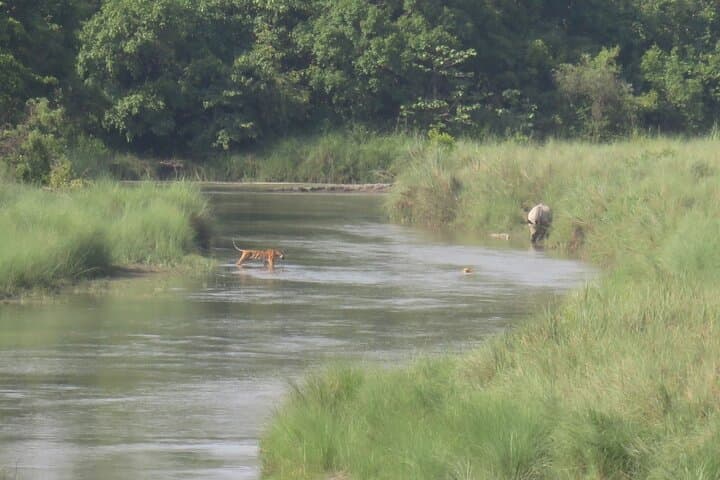
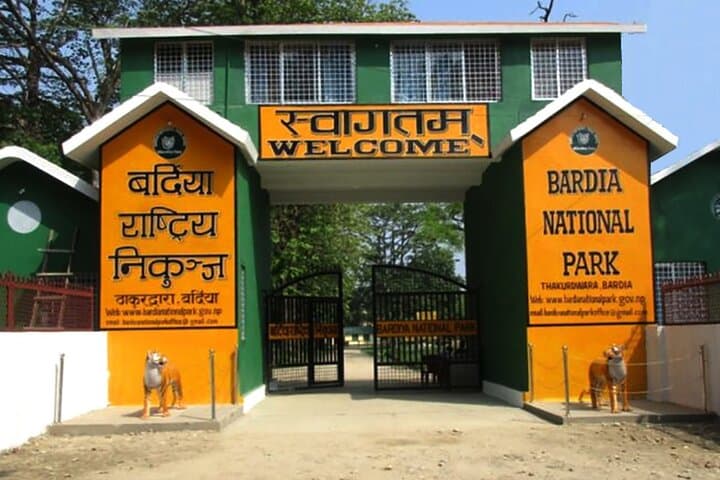
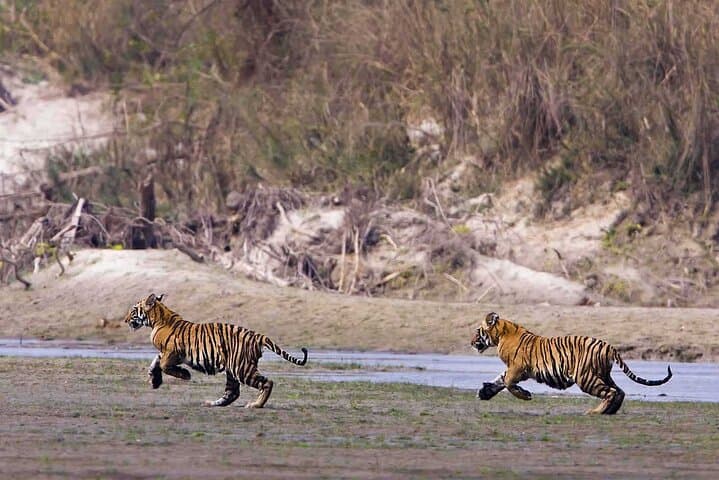
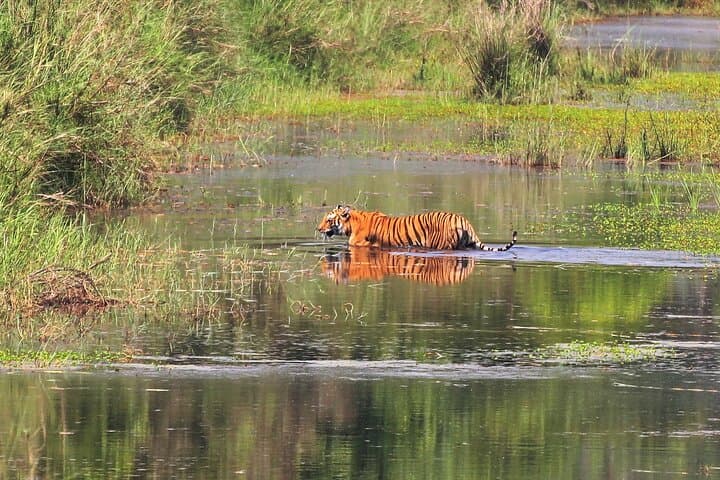
Bardia is the largest protected lowland park in Nepal, carved from Terai floodplain and alluvial fans where the Karnali shapes oxbows and sandbars. Established as a national park in 1988, it protects tiger, one-horned rhino and the critically endangered gharial amid mixed sal forest and riverine grasslands. Local Tharu communities maintain craft and dance traditions you’ll see during a village visit and evening performance.
Practicalities shape the trip: expect early wakes and long waits at prime sightings; a full day’s field time can be 5–8 hours with packed lunch. Travel logistics normally include a short flight to Nepalgunj then a two-hour jeep transfer. Guides here read animal sign as well as maps; sightings are never guaranteed but informed positioning and patient, quiet observation increase chances.
Bring binoculars, neutral clothing and layers for cool mornings, and plan for dusty, bumpy rides—hydration, sun protection and steady footwear matter. Respect park rules, keep distance from wildlife, and leave no trace: the park’s future depends on responsible visits.