THE ADVENTURE COLLECTIVE® · Independent discovery and booking for outdoor travel

Two hours of hands-on instruction on Barbados’ learner-friendly breaks. Expect shore-side coaching, guided water time, and tropical surf conditions ideal for first-time riders.
Two hours of hands-on instruction on Barbados’ learner-friendly breaks. Expect shore-side coaching, guided water time, and tropical surf conditions ideal for first-time riders.
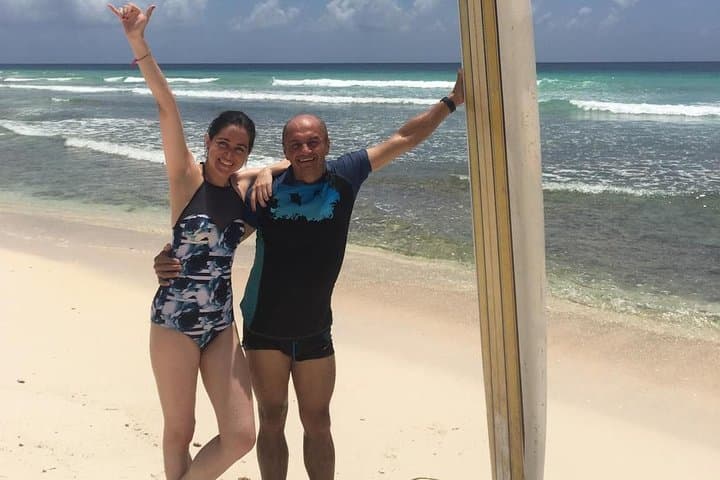
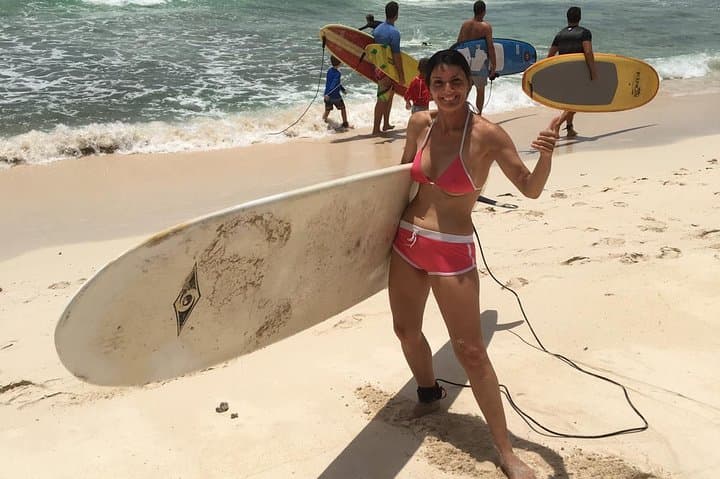
The Atlantic breathes against Barbados’ shoreline; waves on the south and east coasts push and shape the day, daring first-timers to stand and ride. You meet your instructor on warm sand, boards lined like obedient sentries, and the ocean—blue, constant—already sizing you up.
Verified experiences and guided adventures in the surrounding area.
Operated by Dread or Dead Surf School · Bridgetown, Saint Michael
The Atlantic breathes against Barbados’ shoreline; waves on the south and east coasts push and shape the day, daring first-timers to stand and ride. You meet your instructor on warm sand, boards lined like obedient sentries, and the ocean—blue, constant—already sizing you up.
Surfing on Barbados is as much cultural as it is physical. The island’s coral foundation and reef shelves create playful, well-formed waves at locations from Bathsheba to Carlisle Bay. Historically, Barbados developed a coastal culture tied to fishing and beach life; modern surf culture grew from local competitors and visiting athletes refining reef- and beach-break technique.
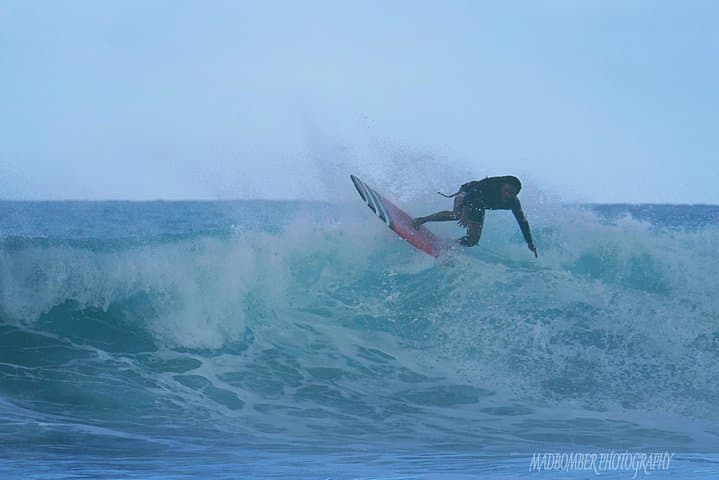
Geology matters: shallow reefs produce punchy, smaller peaks while sandy bays give forgiving, rolling waves perfect for learners. Local instructors read tides and wind—east swells favor Bathsheba, calmer winds favor south coast schools.
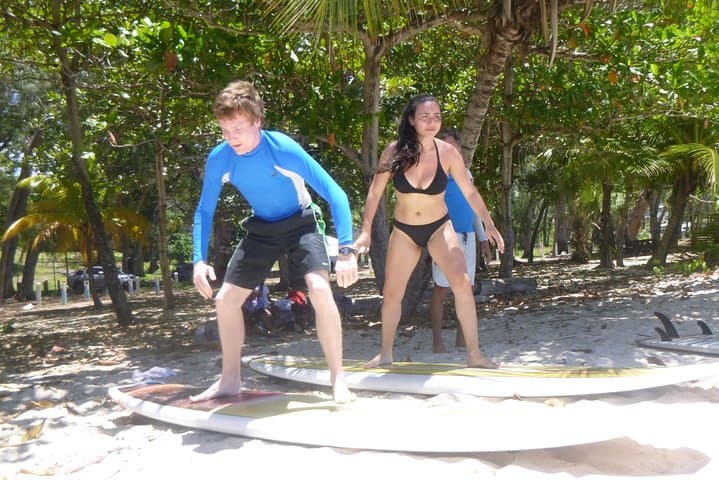
Expect a two-hour, instructor-led session that includes shore-side safety and paddling/practice drills before guided time in the water with an instructor. Lessons are aimed at beginners (minimum age about 10) and require basic swimming ability; instructors provide boards, rash guards, and wax.
Practical tips: pick a morning slot for lighter winds and smaller crowds; hydrate in tropical sun and use reef-safe sunscreen; wear boardshorts or a one-piece that stays put. Listen to your instructor on wipeout technique and reef awareness—staying relaxed saves energy. After the lesson, rinse off and enjoy a local snack: fried flying fish or a cold coconut, both good rewards for standing up for the first time.
moderate.
2 hours.
Moderate fitness; should be comfortable paddling and treading water for short periods
Yes—basic swimming ability and comfort in open water are required; instructors remain nearby but cannot replace swimming competence.
Most schools set a minimum age (this tour accepts around age 10); children must be accompanied and assessed for readiness.
Yes—surfboards, rash guards, and wax are typically provided; bring your own if you prefer a personal fit.
Lessons are often refundable or rescheduled if conditions are unsafe; operators monitor tides and wind and will cancel if necessary.
Barbados’ coastline has long supported fishing and boatbuilding; surfing arrived mid-20th century as locals and visitors adapted reef and beach breaks to the sport.
Choose operators who use reef-safe sunscreen policies and avoid trampling coral; small-group lessons reduce beach congestion and local impact.
Dread or Dead Surf School operates guided outdoor trips and adventures with an emphasis on safety, stewardship, and memorable experiences.
The Atlantic breathes against Barbados’ shoreline; waves on the south and east coasts push and shape the day, daring first-timers to stand and ride. You meet your instructor on warm sand, boards lined like obedient sentries, and the ocean—blue, constant—already sizing you up.
The Atlantic breathes against Barbados’ shoreline; waves on the south and east coasts push and shape the day, daring first-timers to stand and ride. You meet your instructor on warm sand, boards lined like obedient sentries, and the ocean—blue, constant—already sizing you up.
Surfing on Barbados is as much cultural as it is physical. The island’s coral foundation and reef shelves create playful, well-formed waves at locations from Bathsheba to Carlisle Bay. Historically, Barbados developed a coastal culture tied to fishing and beach life; modern surf culture grew from local competitors and visiting athletes refining reef- and beach-break technique.
Geology matters: shallow reefs produce punchy, smaller peaks while sandy bays give forgiving, rolling waves perfect for learners. Local instructors read tides and wind—east swells favor Bathsheba, calmer winds favor south coast schools.
Expect a two-hour, instructor-led session that includes shore-side safety and paddling/practice drills before guided time in the water with an instructor. Lessons are aimed at beginners (minimum age about 10) and require basic swimming ability; instructors provide boards, rash guards, and wax.
Practical tips: pick a morning slot for lighter winds and smaller crowds; hydrate in tropical sun and use reef-safe sunscreen; wear boardshorts or a one-piece that stays put. Listen to your instructor on wipeout technique and reef awareness—staying relaxed saves energy. After the lesson, rinse off and enjoy a local snack: fried flying fish or a cold coconut, both good rewards for standing up for the first time.