THE ADVENTURE COLLECTIVE® · Independent discovery and booking for outdoor travel

Drive the Bow Valley Parkway, watch for elk and bears, then walk the limestone-sided gorge of Johnston Canyon to Upper Falls. This guided day trip blends wildlife viewing, easy hiking (about 3.4 km round-trip), and local context for a practical, memorable Rockies experience.
Drive the Bow Valley Parkway, watch for elk and bears, then walk the limestone-sided gorge of Johnston Canyon to Upper Falls. This guided day trip blends wildlife viewing, easy hiking (about 3.4 km round-trip), and local context for a practical, memorable Rockies experience.
The morning air along the Bow Valley Parkway feels like a held breath—cool, pungent with pine, and threaded with distant thunder of water. Small groups step out of an air-conditioned van and slide into the rhythm of a guided day: a slow drive that stretches into wildlife watches and a two-hour hike through the limestone ribs of Johnston Canyon.
Verified experiences and guided adventures in the surrounding area.
Operated by Banff Journey · Banff, Alberta
The morning air along the Bow Valley Parkway feels like a held breath—cool, pungent with pine, and threaded with distant thunder of water. Small groups step out of an air-conditioned van and slide into the rhythm of a guided day: a slow drive that stretches into wildlife watches and a two-hour hike through the limestone ribs of Johnston Canyon.
Johnston Canyon itself is geology you can read with your feet. The trail follows a ribbon of boardwalk and packed dirt for about 3.4 km round‑trip to the Upper Falls, gaining roughly 120–180 meters of elevation on a mix of stairs and gradual climbs. River-sculpted walls rise on each side, layered sedimentary rock polished by millennia of meltwater. In winter the falls freeze into blue-white sculptures; in summer spray threads the air with fine mist that cools sun-warm faces.
The Bow Valley Parkway is older than the parkway signs suggest—its corridor has been a travel route since Indigenous peoples connected seasonal hunting grounds here. In the 19th and early 20th centuries incoming prospectors and railway crews shaped the human footprint; today, conservation-minded tourism is the dominant theme. Local guides point out Castle Mountain’s blocky profile and explain how glaciers carved the valley, while also flagging wildlife etiquette: keep distance, never feed animals, and let the guide lead close approaches.
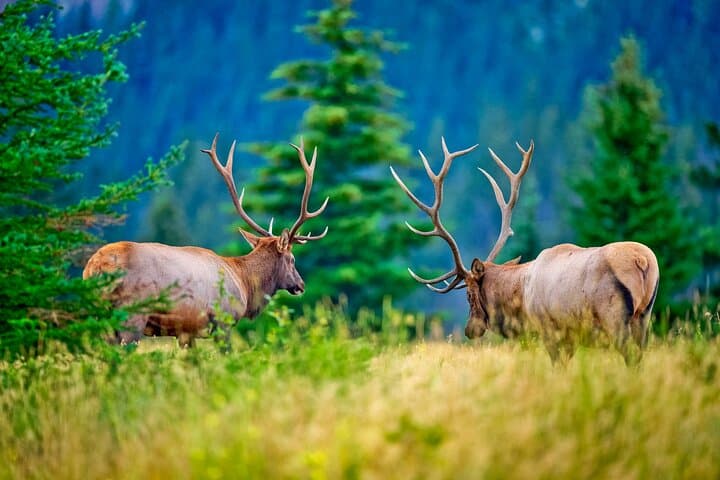
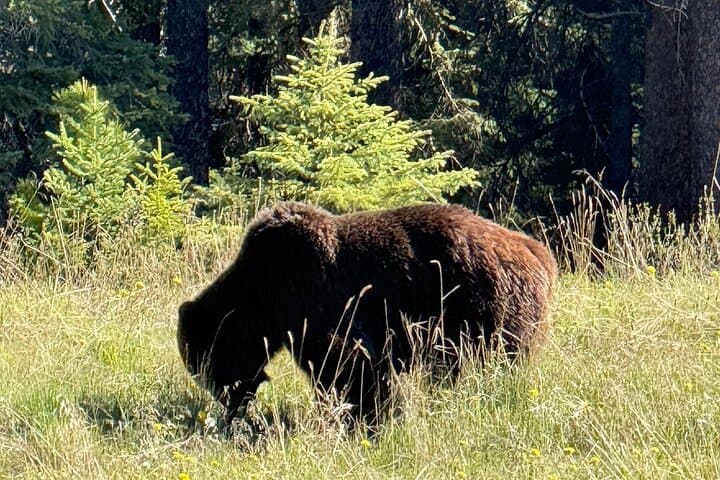
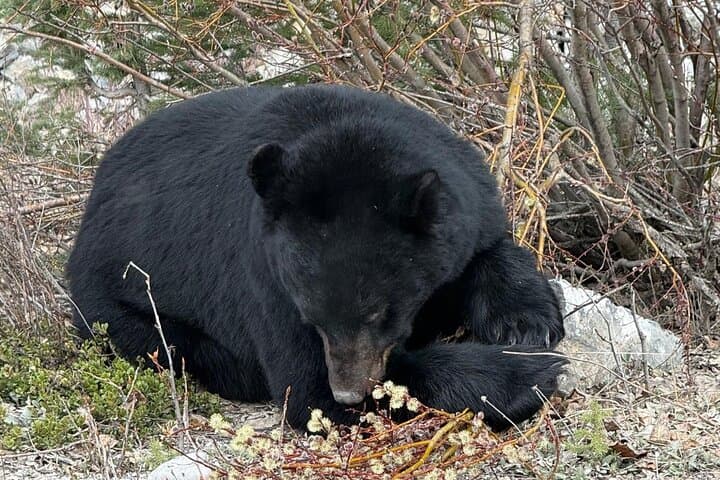
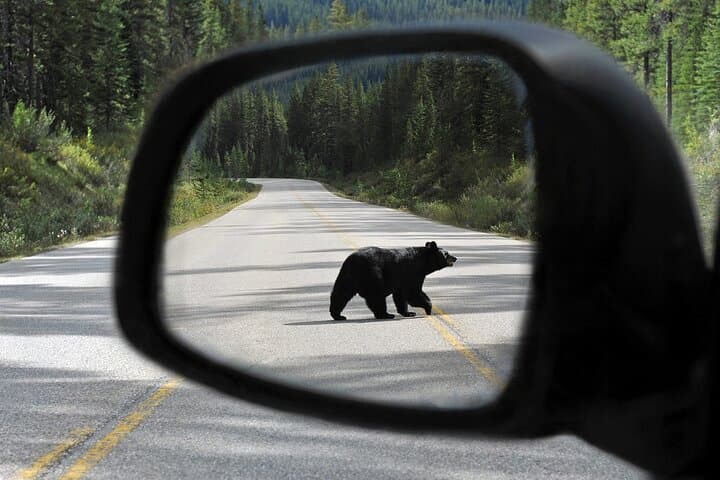
Practically speaking, this is a day that blends slow, scenic driving with a manageable backcountry stroll. The tour typically runs 5–6 hours door-to-door from Banff, Canmore, or Calgary pickup points. You’ll spend 1.5–2 hours on the canyon trail, and the rest of the time cruising the parkway, stopping at viewpoints and scanning meadows for elk, deer, coyotes, and the occasional black bear.
For preparation: wear sturdy hiking shoes with good grip (boardwalks can be slick), dress in moisture-wicking layers, and carry a daypack with water, snacks, and a rain shell. In winter, the operator provides crampons for icy sections—still, insulated boots and warm layers are essential. Bring binoculars and a telephoto lens for wildlife; patience and silence reward close but respectful encounters.
The experience is part natural history lesson, part wildlife safari, and part classic Canadian Rockies walk-in-nature. It’s accessible to most fitness levels but gives enough variety—views, waterfalls, and roadside wildlife—to feel like a full Rocky Mountain day. Whether the falls are a rushing curtain or a blue freeze, the Bow Valley Parkway and Johnston Canyon combine to deliver a compact but memorable dose of Banff National Park’s wild side.
moderate.
5–6 hours.
Appropriate for most people who can handle a few hours of walking with short elevation gain; some stairs required.
Plan for about 1.5–2 hours on the trail; the route to Upper Falls is roughly 3.4 km round‑trip with around 120–180 m of elevation gain.
Wildlife sightings are common—elk, deer, coyotes, and sometimes black bears—but sightings cannot be guaranteed due to natural movement and conditions.
Yes; the trail and stops are family-friendly and the tour is rated easy to moderate, but participants should be comfortable walking on stairs and uneven surfaces.
The operator provides crampons when required, but you should bring insulated boots, warm layers, gloves, and a hat for icy, cold conditions.
Johnston Canyon has restroom facilities at the trailhead and sometimes seasonal washrooms at pullouts; bring hand sanitizer as services can be basic.
Yes; the tour offers pick-up and drop-off in Calgary, Canmore, and Banff—check specific pickup locations and times when booking.
The Bow Valley was a travel corridor for Indigenous groups long before the railway and park designation; later 19th–20th century development shaped current road and rail routes.
Banff National Park prioritizes wildlife corridors and visitor education; follow Leave No Trace, keep distance from animals, and stay on marked trails to minimize impact.
Banff Journey operates guided outdoor trips and adventures with an emphasis on safety, stewardship, and memorable experiences.
The morning air along the Bow Valley Parkway feels like a held breath—cool, pungent with pine, and threaded with distant thunder of water. Small groups step out of an air-conditioned van and slide into the rhythm of a guided day: a slow drive that stretches into wildlife watches and a two-hour hike through the limestone ribs of Johnston Canyon.
The morning air along the Bow Valley Parkway feels like a held breath—cool, pungent with pine, and threaded with distant thunder of water. Small groups step out of an air-conditioned van and slide into the rhythm of a guided day: a slow drive that stretches into wildlife watches and a two-hour hike through the limestone ribs of Johnston Canyon.
Johnston Canyon itself is geology you can read with your feet. The trail follows a ribbon of boardwalk and packed dirt for about 3.4 km round‑trip to the Upper Falls, gaining roughly 120–180 meters of elevation on a mix of stairs and gradual climbs. River-sculpted walls rise on each side, layered sedimentary rock polished by millennia of meltwater. In winter the falls freeze into blue-white sculptures; in summer spray threads the air with fine mist that cools sun-warm faces.
The Bow Valley Parkway is older than the parkway signs suggest—its corridor has been a travel route since Indigenous peoples connected seasonal hunting grounds here. In the 19th and early 20th centuries incoming prospectors and railway crews shaped the human footprint; today, conservation-minded tourism is the dominant theme. Local guides point out Castle Mountain’s blocky profile and explain how glaciers carved the valley, while also flagging wildlife etiquette: keep distance, never feed animals, and let the guide lead close approaches.
Practically speaking, this is a day that blends slow, scenic driving with a manageable backcountry stroll. The tour typically runs 5–6 hours door-to-door from Banff, Canmore, or Calgary pickup points. You’ll spend 1.5–2 hours on the canyon trail, and the rest of the time cruising the parkway, stopping at viewpoints and scanning meadows for elk, deer, coyotes, and the occasional black bear.
For preparation: wear sturdy hiking shoes with good grip (boardwalks can be slick), dress in moisture-wicking layers, and carry a daypack with water, snacks, and a rain shell. In winter, the operator provides crampons for icy sections—still, insulated boots and warm layers are essential. Bring binoculars and a telephoto lens for wildlife; patience and silence reward close but respectful encounters.
The experience is part natural history lesson, part wildlife safari, and part classic Canadian Rockies walk-in-nature. It’s accessible to most fitness levels but gives enough variety—views, waterfalls, and roadside wildlife—to feel like a full Rocky Mountain day. Whether the falls are a rushing curtain or a blue freeze, the Bow Valley Parkway and Johnston Canyon combine to deliver a compact but memorable dose of Banff National Park’s wild side.