THE ADVENTURE COLLECTIVE® · Independent discovery and booking for outdoor travel

Short on time but eager to see Alberta’s iconic alpine lakes? This budget-friendly shuttle from Banff delivers Moraine Lake’s turquoise drama and Lake Louise’s glacier-framed shore in a compact, self-guided 5-hour outing—perfect for first-time visitors.
Short on time but eager to see Alberta’s iconic alpine lakes? This budget-friendly shuttle from Banff delivers Moraine Lake’s turquoise drama and Lake Louise’s glacier-framed shore in a compact, self-guided 5-hour outing—perfect for first-time visitors.
You step off the shuttle at Moraine Lake and the air tightens with cold; the water ahead is an impossible blue, edged by rock and ice. For 75 minutes the lake dares you to slow down: photographers unspool tripods, hikers pick a shoreline, and the peaks keep their quiet watch. The bus hums away and, an hour later, Lake Louise opens like a folded map — emerald water, a glacier high above, and a broad shore where you can pace the edge and measure scale against the mountains.
Verified experiences and guided adventures in the surrounding area.
Operated by Banff Explorer™ · Banff, Alberta
You step off the shuttle at Moraine Lake and the air tightens with cold; the water ahead is an impossible blue, edged by rock and ice. For 75 minutes the lake dares you to slow down: photographers unspool tripods, hikers pick a shoreline, and the peaks keep their quiet watch. The bus hums away and, an hour later, Lake Louise opens like a folded map — emerald water, a glacier high above, and a broad shore where you can pace the edge and measure scale against the mountains.
This five-hour, self-guided shuttle from Banff Train Station puts two of the Rockies’ most photographed lakes within reach without the need for a rental car or expensive tours. The route follows the Icefields Parkway corridor’s foothills and glacial-drained valleys; geologically, these basins are carved by Pleistocene ice and filled with rock flour that refracts light into the lakes’ signature hues. Both sites sit inside Banff National Park, a protected landscape established in 1885 that helped launch Canada’s national park system and the region’s early tourism economy tied to rail and the Canadian Pacific Railway.
Culturally, these lakes have been part of the traditional territories of the Stoney Nakoda, Ktunaxa, and other Indigenous peoples long before the park era; modern visitation comes with interpretive signage and a responsibility to respect protected spaces and wildlife. Look for hoary marmots and mountain goats in higher talus; the valleys can also host elk and a surprising array of birds during summer.
Practicalities matter here: the shuttle operates seasonally, typically between early June and mid-October when roads and parking at Moraine Lake are open to public vehicles. That makes timing everything — arrive early in the window for softer light and fewer crowds. Each stop includes roughly 75 minutes to walk, photograph, or rest — enough for the main viewpoints but not a long backcountry push.
Bring layered clothing and a waterproof shell; weather shifts quickly at lake level. Footwear should handle slick boardwalks and gravel shorelines. Hydrate before departure and carry snacks; there are limited services at either lake and no guaranteed food vendors. Respect closures and signage: short detours can damage fragile shoreline plants and disturb nesting birds.
For travelers on a budget or short on time, this shuttle is a practical way to experience two signature landscapes in one morning or afternoon. It won't replace a full-day guided hike, but it delivers the essential views and a straightforward, low-stress way to meet the Rockies on their own terms.
easy.
5 hours.
Suitable for most fitness levels; expect short shoreline walks and mild elevation changes under 100 m
This seasonal shuttle generally operates from early June to mid-October to match road access to Moraine Lake; confirm specific dates with the operator.
The tour is structured with set stops and times; talk to staff at check-in about rejoining rules but plan to be back at the scheduled departure point.
Park fees are not included in the shuttle fare; visitors must have a valid Parks Canada pass or pay the daily fee.
Basic restroom facilities exist near the main access points, but services are limited—use them when available and carry hand sanitizer.
The shuttle meets basic accessibility needs for boarding, but shoreline viewpoints have uneven terrain; check with the operator for specific accommodations.
Service animals are allowed on the shuttle, but pets may be restricted at lake shorelines—confirm local rules and keep animals leashed.
Banff National Park was established in 1885 following railway-led tourism and early conservation efforts; Lake Louise and Moraine Lake became iconic visitor sites as lodges and rail access expanded in the early 20th century.
High visitation stresses fragile alpine vegetation and shoreline habitats—stay on trails, pack out waste, and follow Parks Canada guidelines to protect the lakes' water quality.
Banff Explorer™ operates guided outdoor trips and adventures with an emphasis on safety, stewardship, and memorable experiences.
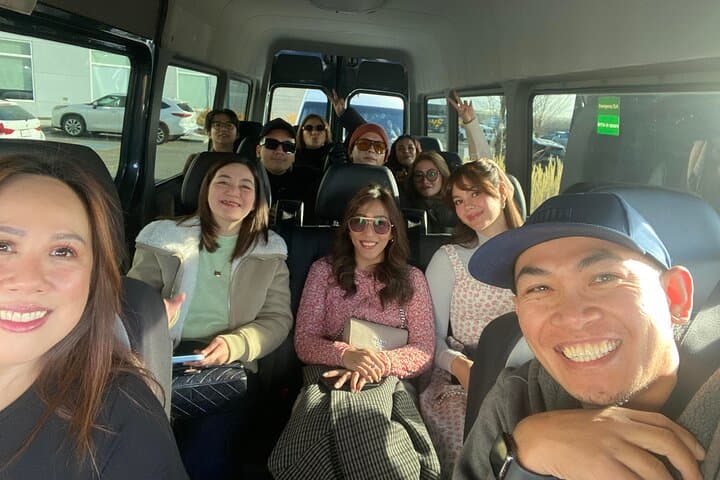
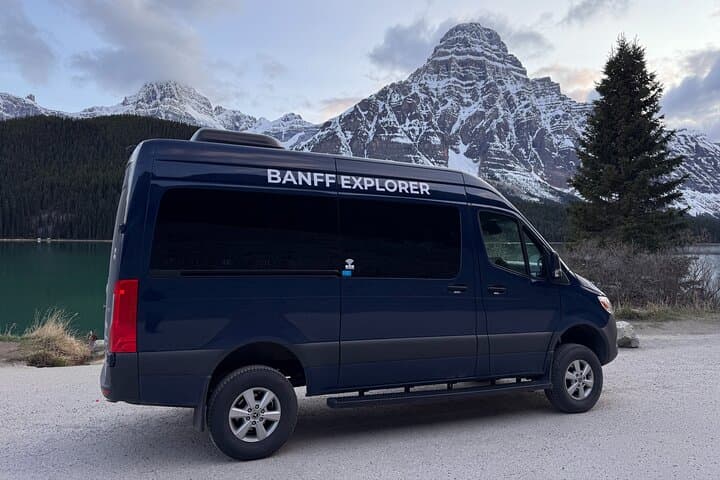
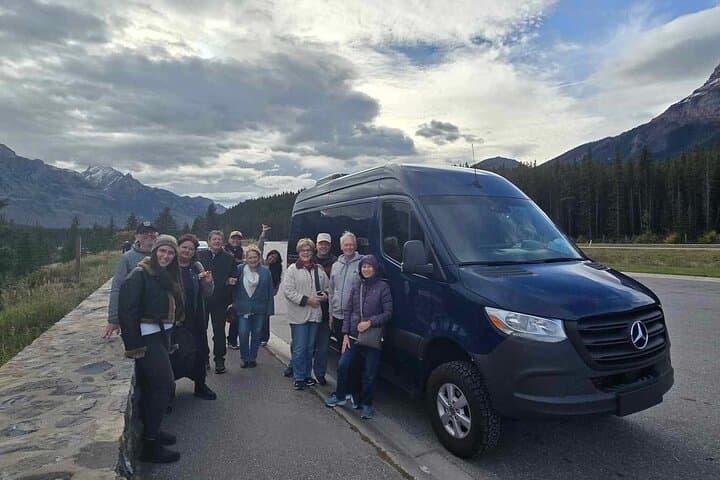
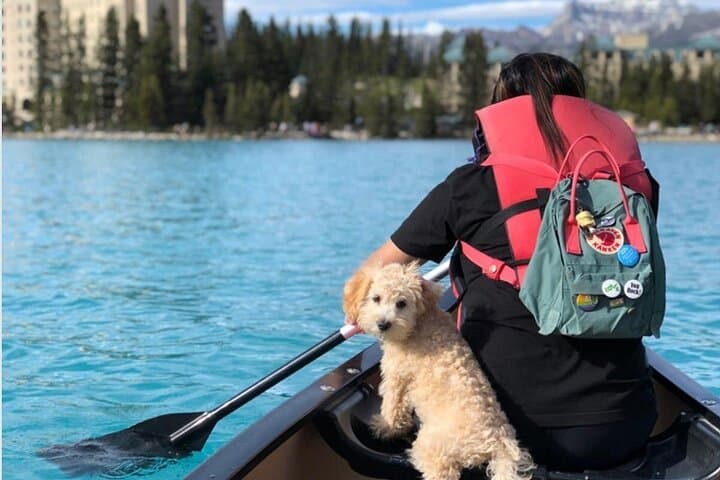
You step off the shuttle at Moraine Lake and the air tightens with cold; the water ahead is an impossible blue, edged by rock and ice. For 75 minutes the lake dares you to slow down: photographers unspool tripods, hikers pick a shoreline, and the peaks keep their quiet watch. The bus hums away and, an hour later, Lake Louise opens like a folded map — emerald water, a glacier high above, and a broad shore where you can pace the edge and measure scale against the mountains.
You step off the shuttle at Moraine Lake and the air tightens with cold; the water ahead is an impossible blue, edged by rock and ice. For 75 minutes the lake dares you to slow down: photographers unspool tripods, hikers pick a shoreline, and the peaks keep their quiet watch. The bus hums away and, an hour later, Lake Louise opens like a folded map — emerald water, a glacier high above, and a broad shore where you can pace the edge and measure scale against the mountains.
This five-hour, self-guided shuttle from Banff Train Station puts two of the Rockies’ most photographed lakes within reach without the need for a rental car or expensive tours. The route follows the Icefields Parkway corridor’s foothills and glacial-drained valleys; geologically, these basins are carved by Pleistocene ice and filled with rock flour that refracts light into the lakes’ signature hues. Both sites sit inside Banff National Park, a protected landscape established in 1885 that helped launch Canada’s national park system and the region’s early tourism economy tied to rail and the Canadian Pacific Railway.
Culturally, these lakes have been part of the traditional territories of the Stoney Nakoda, Ktunaxa, and other Indigenous peoples long before the park era; modern visitation comes with interpretive signage and a responsibility to respect protected spaces and wildlife. Look for hoary marmots and mountain goats in higher talus; the valleys can also host elk and a surprising array of birds during summer.
Practicalities matter here: the shuttle operates seasonally, typically between early June and mid-October when roads and parking at Moraine Lake are open to public vehicles. That makes timing everything — arrive early in the window for softer light and fewer crowds. Each stop includes roughly 75 minutes to walk, photograph, or rest — enough for the main viewpoints but not a long backcountry push.
Bring layered clothing and a waterproof shell; weather shifts quickly at lake level. Footwear should handle slick boardwalks and gravel shorelines. Hydrate before departure and carry snacks; there are limited services at either lake and no guaranteed food vendors. Respect closures and signage: short detours can damage fragile shoreline plants and disturb nesting birds.
For travelers on a budget or short on time, this shuttle is a practical way to experience two signature landscapes in one morning or afternoon. It won't replace a full-day guided hike, but it delivers the essential views and a straightforward, low-stress way to meet the Rockies on their own terms.