THE ADVENTURE COLLECTIVE® · Independent discovery and booking for outdoor travel

Two hours on the Ayung River delivers jungle canyons, Ramayana carvings on the cliffs, and class II–III rapids that suit fit beginners. This guided run from Ubud pairs cultural sights with a safe, active whitewater experience.
Two hours on the Ayung River delivers jungle canyons, Ramayana carvings on the cliffs, and class II–III rapids that suit fit beginners. This guided run from Ubud pairs cultural sights with a safe, active whitewater experience.
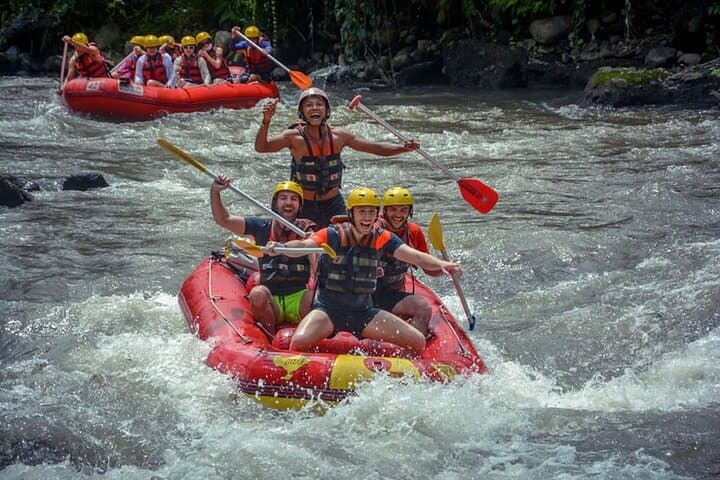
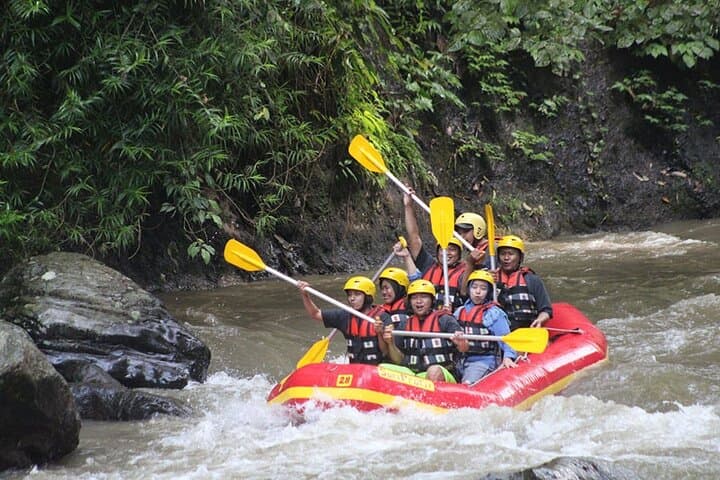
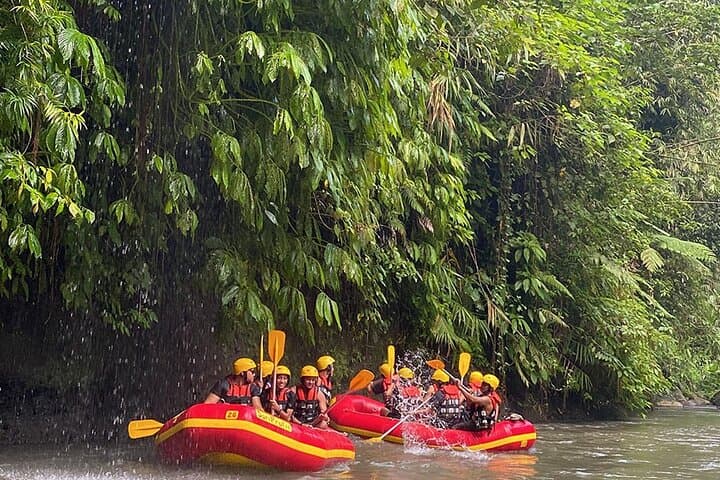
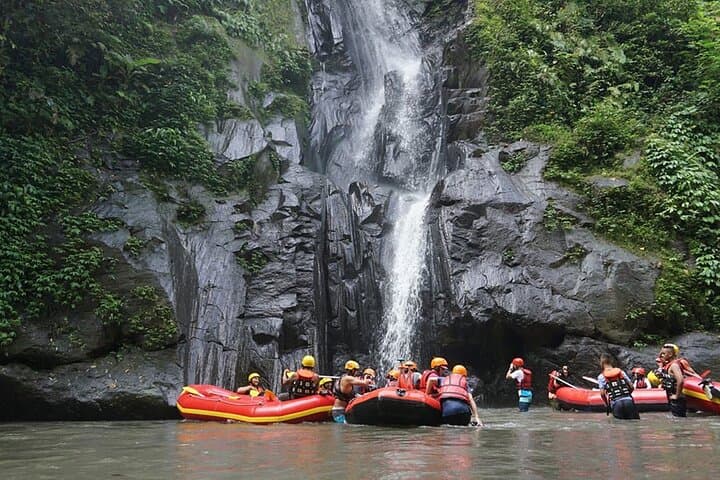
The raft scratches off the launch ramp and the Ayung River takes you in. A cool, green corridor closes over the boat—mossy cliffs, ferns clawing at cracks, and sudden open pockets where sunlight pricks the water. Guides call cadence; paddles find rhythm. The river is not a beast here but an engaged companion, pushing and teasing with class II–III riffles, a few drop sections of up to 4 meters, and enough rock to keep your attention sharp.
Verified experiences and guided adventures in the surrounding area.
Operated by Bali Touristic · Ubud, Bali
The raft scratches off the launch ramp and the Ayung River takes you in. A cool, green corridor closes over the boat—mossy cliffs, ferns clawing at cracks, and sudden open pockets where sunlight pricks the water. Guides call cadence; paddles find rhythm. The river is not a beast here but an engaged companion, pushing and teasing with class II–III riffles, a few drop sections of up to 4 meters, and enough rock to keep your attention sharp.
This stretch of river, just a short transfer from Ubud’s center, has long been threaded into Balinese life. For centuries small communities lived along the Ayung’s terraces, relying on its flow for irrigation; in the 20th century the river’s sculpted cliff faces began to receive artistic attention. Today, the carved Ramayana scenes along the bank are a modern echo of that cultural impulse—stone art set into volcanic rock that invites a quick photo stop between rapids.
Geologically the Ayung has cut its channel through older volcanic deposits, producing cliffs of compacted ash and andesite boulders. That geology explains the scatter of large rocks and the sudden drops; the river wears the bed unevenly, creating pools and playwaves ideal for a guided rafting run rather than extreme whitewater.
Culturally, the route crosses zones where ceremonies and daily life still unfold. Operators take care to minimize noise and route groups to avoid sensitive shrines. Guides will often point out carved reliefs and local plant uses as you pass—useful context that makes the run feel less like a ride and more like a moving field visit.
Practicalities: the trip runs about 2 hours on-water with a total course of 10–12 km. Operators provide helmets, life jackets, waterproof bags, and a safety briefing before launching. Difficulty is moderate—suitable for fit beginners and active travelers comfortable with basic paddling and stairs to the riverside. Expect a 30–60 minute transfer from central Ubud depending on your pickup point.
What to bring: secure water shoes, quick-dry clothing, sunscreen and a waterproof phone case. If it’s the wet season, add a light layer you don’t mind getting damp; in the dry months the river calms and the jungle smell sharpens.
Safety and comfort are built into the itinerary: professional guides, lunch and hot showers at the finish, lockers and changing rooms, and insurance included. For first-timers the fastest preparation is straightforward—listen to the briefing, stay centered, and let the river do the rest.
moderate.
2 hours (on-river).
Suitable for travelers with moderate fitness—be comfortable climbing stairs, paddling intermittently, and sitting for two hours.
No—this Ayung run is geared toward beginners with moderate fitness; guides provide instruction and steer the raft through class II–III sections.
Operators typically accept most ages but require booking questions including weight; confirm specific limits with the supplier—heavy or very light guests may be restricted for safety.
Pickup zones in Ubud are common; transfers range 15–60 minutes depending on traffic and exact pickup location.
Trips run in light rain, but operators cancel for dangerous high water—bookings usually offer full refunds if canceled 24 hours prior due to weather.
Yes—hot showers, changing rooms and lockers are provided at the finish so you can clean up before lunch.
Yes—hotel pickup is offered; confirm your pickup point during booking so the operator can schedule a shared transfer.
Communities along the Ayung have used the river for irrigation for generations; the modern carved reliefs draw on Ramayana narratives popular in Balinese art.
Operators work with local rules to protect riverbanks and limit noise; choose companies that participate in river-clean initiatives and avoid single-use plastics.
Bali Touristic operates guided outdoor trips and adventures with an emphasis on safety, stewardship, and memorable experiences.
The raft scratches off the launch ramp and the Ayung River takes you in. A cool, green corridor closes over the boat—mossy cliffs, ferns clawing at cracks, and sudden open pockets where sunlight pricks the water. Guides call cadence; paddles find rhythm. The river is not a beast here but an engaged companion, pushing and teasing with class II–III riffles, a few drop sections of up to 4 meters, and enough rock to keep your attention sharp.
The raft scratches off the launch ramp and the Ayung River takes you in. A cool, green corridor closes over the boat—mossy cliffs, ferns clawing at cracks, and sudden open pockets where sunlight pricks the water. Guides call cadence; paddles find rhythm. The river is not a beast here but an engaged companion, pushing and teasing with class II–III riffles, a few drop sections of up to 4 meters, and enough rock to keep your attention sharp.
This stretch of river, just a short transfer from Ubud’s center, has long been threaded into Balinese life. For centuries small communities lived along the Ayung’s terraces, relying on its flow for irrigation; in the 20th century the river’s sculpted cliff faces began to receive artistic attention. Today, the carved Ramayana scenes along the bank are a modern echo of that cultural impulse—stone art set into volcanic rock that invites a quick photo stop between rapids.
Geologically the Ayung has cut its channel through older volcanic deposits, producing cliffs of compacted ash and andesite boulders. That geology explains the scatter of large rocks and the sudden drops; the river wears the bed unevenly, creating pools and playwaves ideal for a guided rafting run rather than extreme whitewater.
Culturally, the route crosses zones where ceremonies and daily life still unfold. Operators take care to minimize noise and route groups to avoid sensitive shrines. Guides will often point out carved reliefs and local plant uses as you pass—useful context that makes the run feel less like a ride and more like a moving field visit.
Practicalities: the trip runs about 2 hours on-water with a total course of 10–12 km. Operators provide helmets, life jackets, waterproof bags, and a safety briefing before launching. Difficulty is moderate—suitable for fit beginners and active travelers comfortable with basic paddling and stairs to the riverside. Expect a 30–60 minute transfer from central Ubud depending on your pickup point.
What to bring: secure water shoes, quick-dry clothing, sunscreen and a waterproof phone case. If it’s the wet season, add a light layer you don’t mind getting damp; in the dry months the river calms and the jungle smell sharpens.
Safety and comfort are built into the itinerary: professional guides, lunch and hot showers at the finish, lockers and changing rooms, and insurance included. For first-timers the fastest preparation is straightforward—listen to the briefing, stay centered, and let the river do the rest.