THE ADVENTURE COLLECTIVE® · Independent discovery and booking for outdoor travel

Spend a long day from Osaka exploring the Otsuka Museum’s full-scale art reproductions, then dive into the thrilling chaos of Awa Odori with S-class reserved seats. Expect a 12-hour coach day, crowds, coastal winds, and unforgettable rhythms.
Spend a long day from Osaka exploring the Otsuka Museum’s full-scale art reproductions, then dive into the thrilling chaos of Awa Odori with S-class reserved seats. Expect a 12-hour coach day, crowds, coastal winds, and unforgettable rhythms.
The coach pulls away from Osaka before dawn and the urban grid softens into rice paddies and coastal light.
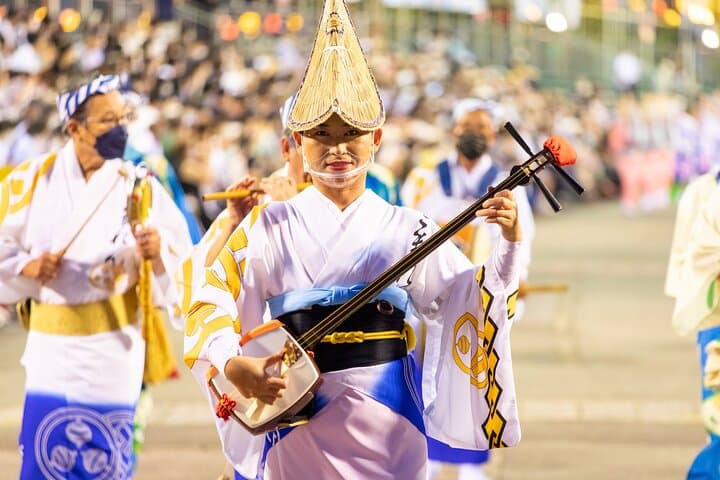
By late afternoon the air in Tokushima hums with wooden clogs and shamisen—Awa Odori’s dancers loop through streets that hold three centuries of summer ritual. The same day includes a stop at the Otsuka Museum of Art in Naruto, where full-scale ceramic reproductions of world masterpieces give a quiet, indoor counterpoint to the festival’s open-air energy.
Awa Odori began as an Obon celebration that grew into Tokushima’s signature expression; its rhythmic chants and lantern-lit processions are part social release, part communal memory. Geologically the region sits on Shikoku’s coastal plain; nearby tidal currents carve the Naruto Strait and created the famous whirlpools that shaped local seafaring culture.
Expect close-up choreography—ren of dancers and drummers weaving through temporary stands—and a sensory mix of soy-sweet festival food stalls and percussion. The Otsuka Museum offers climate-controlled galleries, more contemplative time, and an accessible contrast to the evening’s crowds.
Practical guidance: this is a full, 12-hour day by air-conditioned coach with S-class reserved seats at the festival; bring a hat, plenty of water, and yen for street food and small purchases. Festival traffic can delay arrival—organizers note a ropeway alternative if the Uzushio cruise is missed—so keep flexible plans. Wear comfortable walking shoes for cobbled streets and bring a light layer for coastal breezes after sunset. Arrive mentally prepared for crowds and long, joyous chants: the dancers invite you to watch—if you’re ready, you might end up joining the rhythm.
Verified experiences and guided adventures in the surrounding area.
Operated by H.I.S.Co., Ltd. · Tokushima, Tokushima Prefecture
The coach pulls away from Osaka before dawn and the urban grid softens into rice paddies and coastal light.
By late afternoon the air in Tokushima hums with wooden clogs and shamisen—Awa Odori’s dancers loop through streets that hold three centuries of summer ritual. The same day includes a stop at the Otsuka Museum of Art in Naruto, where full-scale ceramic reproductions of world masterpieces give a quiet, indoor counterpoint to the festival’s open-air energy.
Awa Odori began as an Obon celebration that grew into Tokushima’s signature expression; its rhythmic chants and lantern-lit processions are part social release, part communal memory. Geologically the region sits on Shikoku’s coastal plain; nearby tidal currents carve the Naruto Strait and created the famous whirlpools that shaped local seafaring culture.
Expect close-up choreography—ren of dancers and drummers weaving through temporary stands—and a sensory mix of soy-sweet festival food stalls and percussion. The Otsuka Museum offers climate-controlled galleries, more contemplative time, and an accessible contrast to the evening’s crowds.
Practical guidance: this is a full, 12-hour day by air-conditioned coach with S-class reserved seats at the festival; bring a hat, plenty of water, and yen for street food and small purchases. Festival traffic can delay arrival—organizers note a ropeway alternative if the Uzushio cruise is missed—so keep flexible plans. Wear comfortable walking shoes for cobbled streets and bring a light layer for coastal breezes after sunset. Arrive mentally prepared for crowds and long, joyous chants: the dancers invite you to watch—if you’re ready, you might end up joining the rhythm.
easy.
12 hours.
Light activity; mostly seated travel and short to moderate walking. Suitable for most fitness levels.
Yes—this tour includes S-class reserved seats for the Awa Odori performance, which are limited and often sell out during the festival.
The standard itinerary focuses on Otsuka Museum and Tokushima’s Awa Odori; during heavy traffic operators may substitute a ropeway visit or the Uzushio cruise if timing allows.
The tour is classified as easy and is suitable for most ages, but it involves long coach travel and standing in crowds—elderly guests or those with mobility issues should consider these factors.
Numerous yatai (food stalls) offer local specialties—yakitori, takoyaki, skewers, sweets—cash is recommended and some menus may have English-limited service.
Awa Odori evolved from Obon-era communal dances in Tokushima; modern ren formations formalized during the Edo period and expanded into the festival today.
Festival waste and trampling are ongoing concerns—use provided bins, avoid single-use plastics when possible, and respect rope-lined viewing areas to protect streets and local businesses.
H.I.S.Co., Ltd. operates guided outdoor trips and adventures with an emphasis on safety, stewardship, and memorable experiences.
The coach pulls away from Osaka before dawn and the urban grid softens into rice paddies and coastal light.
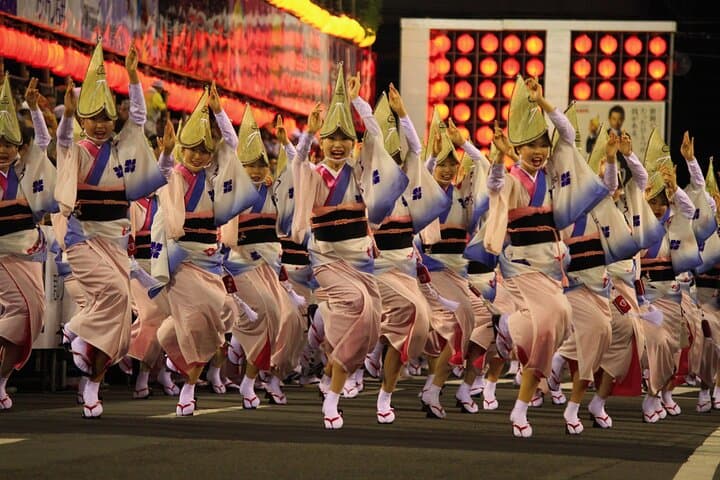
By late afternoon the air in Tokushima hums with wooden clogs and shamisen—Awa Odori’s dancers loop through streets that hold three centuries of summer ritual. The same day includes a stop at the Otsuka Museum of Art in Naruto, where full-scale ceramic reproductions of world masterpieces give a quiet, indoor counterpoint to the festival’s open-air energy.
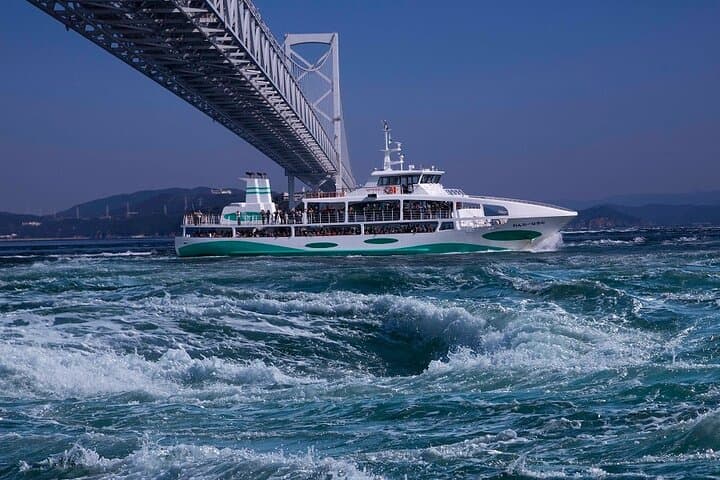
Awa Odori began as an Obon celebration that grew into Tokushima’s signature expression; its rhythmic chants and lantern-lit processions are part social release, part communal memory. Geologically the region sits on Shikoku’s coastal plain; nearby tidal currents carve the Naruto Strait and created the famous whirlpools that shaped local seafaring culture.
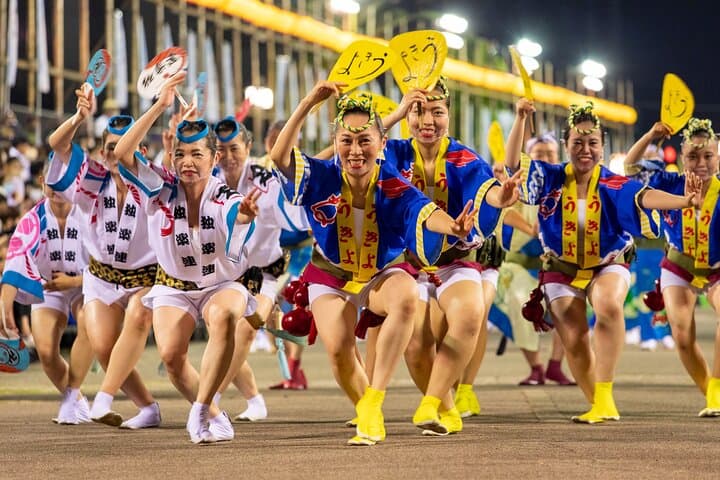
Expect close-up choreography—ren of dancers and drummers weaving through temporary stands—and a sensory mix of soy-sweet festival food stalls and percussion. The Otsuka Museum offers climate-controlled galleries, more contemplative time, and an accessible contrast to the evening’s crowds.
Practical guidance: this is a full, 12-hour day by air-conditioned coach with S-class reserved seats at the festival; bring a hat, plenty of water, and yen for street food and small purchases. Festival traffic can delay arrival—organizers note a ropeway alternative if the Uzushio cruise is missed—so keep flexible plans. Wear comfortable walking shoes for cobbled streets and bring a light layer for coastal breezes after sunset. Arrive mentally prepared for crowds and long, joyous chants: the dancers invite you to watch—if you’re ready, you might end up joining the rhythm.
The coach pulls away from Osaka before dawn and the urban grid softens into rice paddies and coastal light.
By late afternoon the air in Tokushima hums with wooden clogs and shamisen—Awa Odori’s dancers loop through streets that hold three centuries of summer ritual. The same day includes a stop at the Otsuka Museum of Art in Naruto, where full-scale ceramic reproductions of world masterpieces give a quiet, indoor counterpoint to the festival’s open-air energy.
Awa Odori began as an Obon celebration that grew into Tokushima’s signature expression; its rhythmic chants and lantern-lit processions are part social release, part communal memory. Geologically the region sits on Shikoku’s coastal plain; nearby tidal currents carve the Naruto Strait and created the famous whirlpools that shaped local seafaring culture.
Expect close-up choreography—ren of dancers and drummers weaving through temporary stands—and a sensory mix of soy-sweet festival food stalls and percussion. The Otsuka Museum offers climate-controlled galleries, more contemplative time, and an accessible contrast to the evening’s crowds.
Practical guidance: this is a full, 12-hour day by air-conditioned coach with S-class reserved seats at the festival; bring a hat, plenty of water, and yen for street food and small purchases. Festival traffic can delay arrival—organizers note a ropeway alternative if the Uzushio cruise is missed—so keep flexible plans. Wear comfortable walking shoes for cobbled streets and bring a light layer for coastal breezes after sunset. Arrive mentally prepared for crowds and long, joyous chants: the dancers invite you to watch—if you’re ready, you might end up joining the rhythm.