
Australian Camp Family Trekking: 2-Day Sunrise Trek from Pokhara
A short, family-friendly 2-day trek from Pokhara to Australian Camp that delivers sunrise views of the Annapurna range, traditional Gurung villages, and easy ridge walking. Expect two moderate days on uneven stone trails with basic guesthouse accommodation.
An Adventure In Pokhara.
A short, family-friendly 2-day trek from Pokhara to Australian Camp that delivers sunrise views of the Annapurna range, traditional Gurung villages, and easy ridge walking. Expect two moderate days on uneven stone trails with basic guesthouse accommodation.
Read the full experience
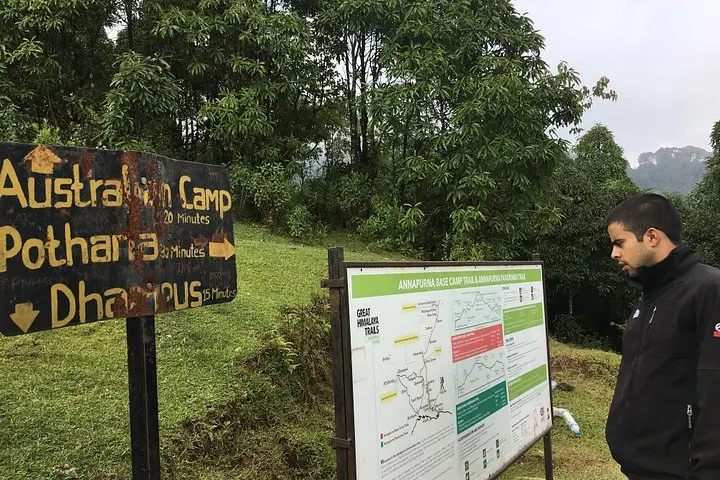
You step out of Pokhara’s low clouds onto a winding road that slides toward Phedi; the engine drops away and the ridge takes over. By mid-morning the valley opens below and Annapurna’s jagged teeth—including the storied Machapuchare (Fishtail)—begin to command the skyline. The first day is steady: a 3‑hour climb from Phedi to Dhampus through stone-paved lanes and terraced fields, arriving at a Gurung village where tea houses and guest houses face the range.
You step out of Pokhara’s low clouds onto a winding road that slides toward Phedi; the engine drops away and the ridge takes over. By mid-morning the valley opens below and Annapurna’s jagged teeth—including the storied Machapuchare (Fishtail)—begin to command the skyline. The first day is steady: a 3‑hour climb from Phedi to Dhampus through stone-paved lanes and terraced fields, arriving at a Gurung village where tea houses and guest houses face the range.
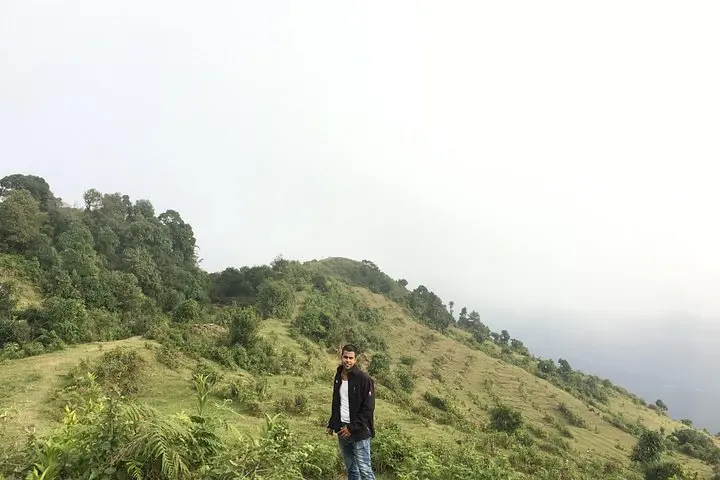
The route threads local history and geology: terraced slopes shaped by centuries of subsistence farming, sedimentary foothills that step up into metamorphic Annapurna flanks, and a brief visit to the Hemja Tibetan refugee camp that speaks to migration patterns after mid‑20th century upheaval. On day two the trail rides a sun‑baked ridge toward Australian Camp—short, sharper climbs and forested stretches that open into wide panoramic meadows. By sunrise the ridgeline puts the Annapurna massif and Fishtail in front-row seats.
Practically, expect two moderate days of walking (roughly 3 hours each), uneven stone and dirt trails, and basic guest‑house stays with simple meals. No technical gear or mountaineering skills are needed, but layered clothing, sturdy footwear, water, and a headlamp make the trek smoother. Local guides handle logistics and vehicle transfers back to Pokhara from Kande.
Plan for early starts to catch the sunrise, carry local cash for teahouses, and respect village life—quiet mornings, closed livestock pens, and the steady work of people living with the mountain seasons.
Frequently asked questions
Short family treks around Dhampus/Australian Camp are typically handled by the guide and don’t require long‑trek permits; guides will arrange any necessary local permissions.
The itinerary is moderate: about 3 hours of walking each day over uneven terrain with some sustained uphill on day one and a steeper ridge on day two.
Overnights are in local guesthouses with basic rooms, shared bathrooms in many places, and simple Nepali meals—expect modest but comfortable hospitality.
Yes—families with children used to 2–3 hour walks can manage it; bring extra layers and plan for more rests on uphill sections.
About This Experience
Nepal Mountain Club Pvt Ltd operates guided outdoor trips and adventures with an emphasis on safety, stewardship, and memorable experiences.
Adventure tips
Recommended gear
- Sturdy hiking shoes: Support and traction on stone-paved village lanes and loose ridge sections.
- Light daypack (20–30L): Holds water, layers, snacks, and a small first-aid kit for two short days.
- Insulating layer and windbreaker: Cold mornings and ridge wind make layers essential for sunrise hours.
- Reusable water bottle with purifier tablets: Reduces plastic use and ensures safe drinking water between teahouses.
Photos of the experience
Related adventures & guides
Read the full experience
You step out of Pokhara’s low clouds onto a winding road that slides toward Phedi; the engine drops away and the ridge takes over. By mid-morning the valley opens below and Annapurna’s jagged teeth—including the storied Machapuchare (Fishtail)—begin to command the skyline. The first day is steady: a 3‑hour climb from Phedi to Dhampus through stone-paved lanes and terraced fields, arriving at a Gurung village where tea houses and guest houses face the range.
You step out of Pokhara’s low clouds onto a winding road that slides toward Phedi; the engine drops away and the ridge takes over. By mid-morning the valley opens below and Annapurna’s jagged teeth—including the storied Machapuchare (Fishtail)—begin to command the skyline. The first day is steady: a 3‑hour climb from Phedi to Dhampus through stone-paved lanes and terraced fields, arriving at a Gurung village where tea houses and guest houses face the range.
The route threads local history and geology: terraced slopes shaped by centuries of subsistence farming, sedimentary foothills that step up into metamorphic Annapurna flanks, and a brief visit to the Hemja Tibetan refugee camp that speaks to migration patterns after mid‑20th century upheaval. On day two the trail rides a sun‑baked ridge toward Australian Camp—short, sharper climbs and forested stretches that open into wide panoramic meadows. By sunrise the ridgeline puts the Annapurna massif and Fishtail in front-row seats.
Practically, expect two moderate days of walking (roughly 3 hours each), uneven stone and dirt trails, and basic guest‑house stays with simple meals. No technical gear or mountaineering skills are needed, but layered clothing, sturdy footwear, water, and a headlamp make the trek smoother. Local guides handle logistics and vehicle transfers back to Pokhara from Kande.
Plan for early starts to catch the sunrise, carry local cash for teahouses, and respect village life—quiet mornings, closed livestock pens, and the steady work of people living with the mountain seasons.
Make a day of it nearby.
Verified experiences and guided adventures in the surrounding area.