THE ADVENTURE COLLECTIVE® · Independent discovery and booking for outdoor travel

Explore Austin’s murals, modern façades, and the Texas State Capitol on a guided 2.5-hour bike tour that blends public art with local history. Ideal for travelers who want a brisk, informative city ride with plenty of photo stops and insider context.
Explore Austin’s murals, modern façades, and the Texas State Capitol on a guided 2.5-hour bike tour that blends public art with local history. Ideal for travelers who want a brisk, informative city ride with plenty of photo stops and insider context.
The first pedal stroke out of a warehouse on 2nd Street drops riders into downtown Austin’s layered cityscape—steel, stucco, and spray paint converging beneath a wide Texas sky. The tour moves at the practical pace of a city bike ride: deliberate stops for story, short bursts of pedaling between murals, and measured looks up at cornices and cupolas that mark 130 years of architectural change.
Verified experiences and guided adventures in the surrounding area.
Operated by Austin Bike Tours and Rentals · Austin, Texas
The first pedal stroke out of a warehouse on 2nd Street drops riders into downtown Austin’s layered cityscape—steel, stucco, and spray paint converging beneath a wide Texas sky. The tour moves at the practical pace of a city bike ride: deliberate stops for story, short bursts of pedaling between murals, and measured looks up at cornices and cupolas that mark 130 years of architectural change.
Guides steer the narrative from contemporary street art to the red granite mass of the Texas State Capitol, explaining how Austin’s boom years left both Craftsman bungalows in West Austin and bold modern facades downtown. The route skirts Lady Bird Lake, where the water pushes a cool breeze across the promenade and Great Blue Herons watch from reedy edges; it threads through alleyways and boulevards that host the tallest mural in town and a famed OBEY Giantess installation. Each stop ties an artwork to a moment—political, cultural, or simply quirky—so the tour reads like a public-history walk with a bicycle between the pages.
Geology and infrastructure appear in brief: downtown rests on Trinity Group sediments and limestone outcrops, shaping the rise of bridges and the placement of early civic buildings. Cultural context arrives in human scale—stories of preservation fights around the Capitol, immigrant-built neighborhoods, and the recent push to make Austin more bike-friendly.
Practical details are straightforward. The 2.5-hour ride covers mostly flat, urban pavement—expect roughly 6–8 miles and minimal elevation gain, with several 5–10 minute interpretive stops. Helmets, bikes, and locks are supplied; groups top out near 15 riders. Walkable shoes and comfortable clothing work better than clip-in cycling gear; downtown surfaces vary from dedicated bike lanes to brick crosswalks.
Timing matters. Mornings and late afternoons offer the most comfortable light and cooler temperatures; midday in summer brings strong sun and heat. Guides will adapt the route for weather, traffic, and the group’s ability—this tour runs in varied conditions, but bring a lightweight rain jacket if forecasts threaten.
The experience is as much educational as recreational: expect stories tied to place, practical navigation of urban riding, and plenty of photo stops. For travelers who want a compact orientation to Austin’s public art and architectural personality, this bicycle tour hands you both the map and the context—wheels turning, history unfolding, and the city’s façades daring you to look closer.
moderate.
2–2.5 hours.
Suitable for riders with moderate fitness who can pedal for short urban stretches and stand occasionally to walk or tighten bikes.
Yes—bicycles, helmets, and locks are included in the tour price.
Participants should have a moderate level of fitness; infants can ride in specialized seats, but most riders should be comfortable with short urban distances.
The loop covers roughly 6–8 miles over about 2–2.5 hours with multiple interpretive stops and minimal elevation change.
The operator may cancel for heavy rain or unsafe conditions; check the 24-hour cancellation policy for refunds.
Meet at a shared warehouse on 2nd Street; free public parking is typically available nearby but public transit is also an option.
Photography is welcome; please don’t deface or touch artworks—respect private property and any signage.
Austin’s Texas State Capitol was completed in 1888 and anchored downtown’s civic identity; many surrounding buildings reflect the city’s turn-of-the-century prosperity and later modernist expansions.
The route emphasizes existing bike lanes and the Butler Hike-and-Bike Trail to reduce impact; riders are asked to follow leave-no-trace principles and respect protected riparian habitats near the lake.
Austin Bike Tours and Rentals operates guided outdoor trips and adventures with an emphasis on safety, stewardship, and memorable experiences.
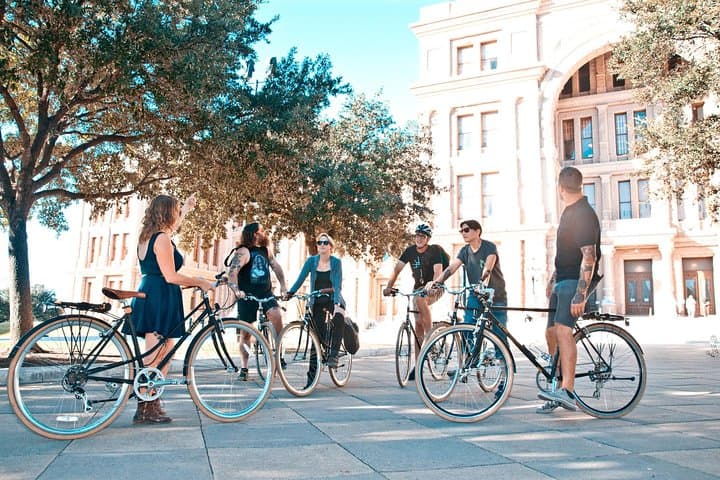
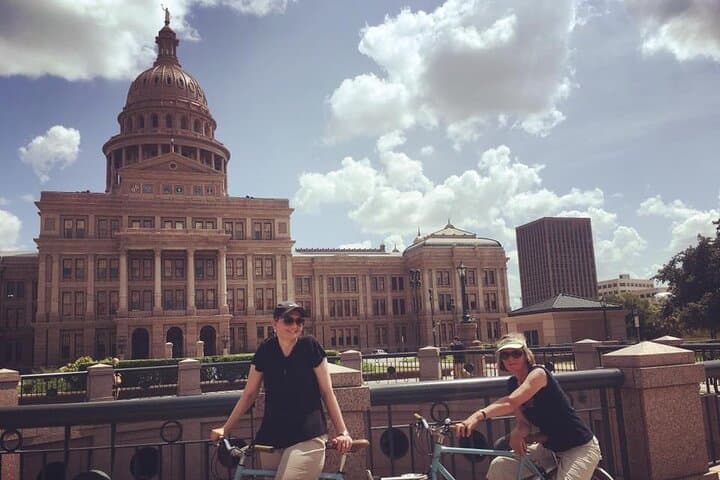

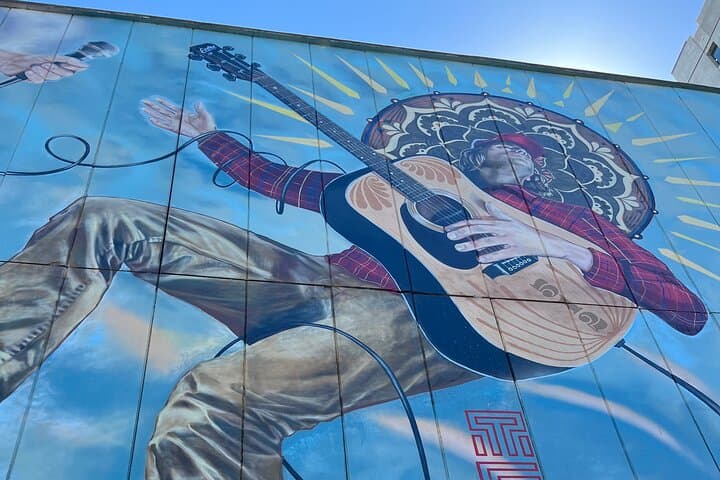
The first pedal stroke out of a warehouse on 2nd Street drops riders into downtown Austin’s layered cityscape—steel, stucco, and spray paint converging beneath a wide Texas sky. The tour moves at the practical pace of a city bike ride: deliberate stops for story, short bursts of pedaling between murals, and measured looks up at cornices and cupolas that mark 130 years of architectural change.
The first pedal stroke out of a warehouse on 2nd Street drops riders into downtown Austin’s layered cityscape—steel, stucco, and spray paint converging beneath a wide Texas sky. The tour moves at the practical pace of a city bike ride: deliberate stops for story, short bursts of pedaling between murals, and measured looks up at cornices and cupolas that mark 130 years of architectural change.
Guides steer the narrative from contemporary street art to the red granite mass of the Texas State Capitol, explaining how Austin’s boom years left both Craftsman bungalows in West Austin and bold modern facades downtown. The route skirts Lady Bird Lake, where the water pushes a cool breeze across the promenade and Great Blue Herons watch from reedy edges; it threads through alleyways and boulevards that host the tallest mural in town and a famed OBEY Giantess installation. Each stop ties an artwork to a moment—political, cultural, or simply quirky—so the tour reads like a public-history walk with a bicycle between the pages.
Geology and infrastructure appear in brief: downtown rests on Trinity Group sediments and limestone outcrops, shaping the rise of bridges and the placement of early civic buildings. Cultural context arrives in human scale—stories of preservation fights around the Capitol, immigrant-built neighborhoods, and the recent push to make Austin more bike-friendly.
Practical details are straightforward. The 2.5-hour ride covers mostly flat, urban pavement—expect roughly 6–8 miles and minimal elevation gain, with several 5–10 minute interpretive stops. Helmets, bikes, and locks are supplied; groups top out near 15 riders. Walkable shoes and comfortable clothing work better than clip-in cycling gear; downtown surfaces vary from dedicated bike lanes to brick crosswalks.
Timing matters. Mornings and late afternoons offer the most comfortable light and cooler temperatures; midday in summer brings strong sun and heat. Guides will adapt the route for weather, traffic, and the group’s ability—this tour runs in varied conditions, but bring a lightweight rain jacket if forecasts threaten.
The experience is as much educational as recreational: expect stories tied to place, practical navigation of urban riding, and plenty of photo stops. For travelers who want a compact orientation to Austin’s public art and architectural personality, this bicycle tour hands you both the map and the context—wheels turning, history unfolding, and the city’s façades daring you to look closer.