THE ADVENTURE COLLECTIVE® · Independent discovery and booking for outdoor travel

Step offshore from Reykjavik’s Old Harbour for a 2–3 hour Northern Lights cruise that trades city glare for dark water and a better chance to see the aurora. Heated cabins, flotation suits and a free return promise if the lights don’t appear make this a practical way to chase the sky.
Step offshore from Reykjavik’s Old Harbour for a 2–3 hour Northern Lights cruise that trades city glare for dark water and a better chance to see the aurora. Heated cabins, flotation suits and a free return promise if the lights don’t appear make this a practical way to chase the sky.
The harbor air is a bite of cold and salt, and the city lights behind you dim as the boat slips off its moorings. On a clear winter night the sea lays flat like ink and the Atlantic dares the sky to perform. Guides point the bow toward darker water, and the first low curtains of color—green, sometimes violet—push across the horizon and up into the sky.
Verified experiences and guided adventures in the surrounding area.
Operated by Reykjavik Sailors · Reykjavik, Capital Region
The harbor air is a bite of cold and salt, and the city lights behind you dim as the boat slips off its moorings. On a clear winter night the sea lays flat like ink and the Atlantic dares the sky to perform. Guides point the bow toward darker water, and the first low curtains of color—green, sometimes violet—push across the horizon and up into the sky.
This is Reykjavik’s northern lights chase from the water: a short, purposeful escape from the city glow where the ocean becomes an observatory. The Old Harbour has been Reykjavik’s working edge for centuries, where fishermen launched voyages that helped shape Iceland’s modern identity. Geology here is young and loud—the volcanic ridge that underpins the Reykjanes Peninsula throws quick weather, so clear, cold nights that follow a front are often the most generous for aurora.
The tour leans on local know-how: experienced guides who read forecasts, cloud cover, and geomagnetic activity to position the vessel where visibility is highest. On board, practical comforts—heated indoor cabins, restrooms, complimentary flotation suits and seasickness tablets—keep the drama outside and the experience manageable. The operator’s promise of a free return if the Aurora doesn’t appear shows the business is betting on fairness as much as on showy skies.
Culturally, nightlife on Reykjavik’s waterfront is modest compared with the lights overhead; locals treat aurora viewing like a communal pause—strangers sharing silence as the sky moves. The trip is short (about 2–3 hours) but intense: you’re stopping the city’s static and letting the night decide.
If you go, dress like you plan to stand on a cold deck. Layers that trap heat, windproof shells, insulated gloves, and a warm hat are essential. Bring a tripod and a camera with manual settings if you want aurora shots; use wide-angle lenses and set long exposures. Expect the boat to move; a beanbag or small stabilizer makes long exposures easier. Eat and hydrate beforehand—sea air sharpens appetite and the cold drains energy.
Timing is simple: the best nights are clear, cold ones after a frontal pass (typically autumn through spring). Plan to arrive 30 minutes early at Geirsgata 11 to check in. If you’re prone to motion sickness, take the provided tablets or your own preventative dose an hour before departure. Above all: be patient. The aurora is a performance with its own schedule, and when it arrives, the memory is immediate and unmistakable.
moderate.
2–3 hours.
Minimal fitness required—able to stand on deck and climb a few steps; choose this tour even if you’re generally active but not athletic.
Sightings depend on solar activity and cloud cover; the boat’s route increases chances by moving away from city light, and if you don’t see them you’re eligible for a free return booking.
Dress in warm layers, windproof outerwear, insulated gloves, and a hat—waterproof footwear is recommended for deck conditions.
The vessel is suitable for most travelers, but limited mobility may make moving on deck difficult; contact the operator in advance to discuss accommodations.
Yes—there are heated indoor cabins with restroom facilities for guest comfort.
Yes—children can join, and prams are allowed, but the late schedule and cold may not be ideal for very young infants.
Seasickness tablets are provided free on board; take them or your usual remedy before departure and sit midship where motion is least noticeable.
Reykjavik’s Old Harbour has been central to Iceland’s fishing and maritime trade for centuries and now anchors modern excursions that blend utility with tourism.
Tours minimize light pollution by traveling offshore and follow guidelines to avoid disturbing marine life; guests are encouraged to avoid flash photography near wildlife.
Reykjavik Sailors operates guided outdoor trips and adventures with an emphasis on safety, stewardship, and memorable experiences.
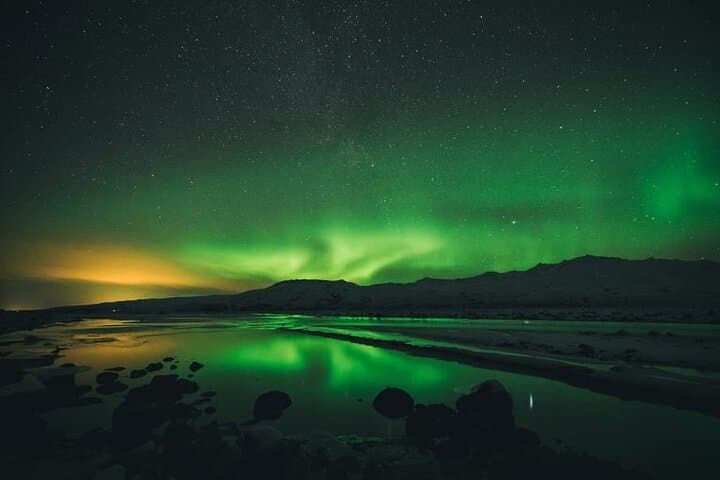
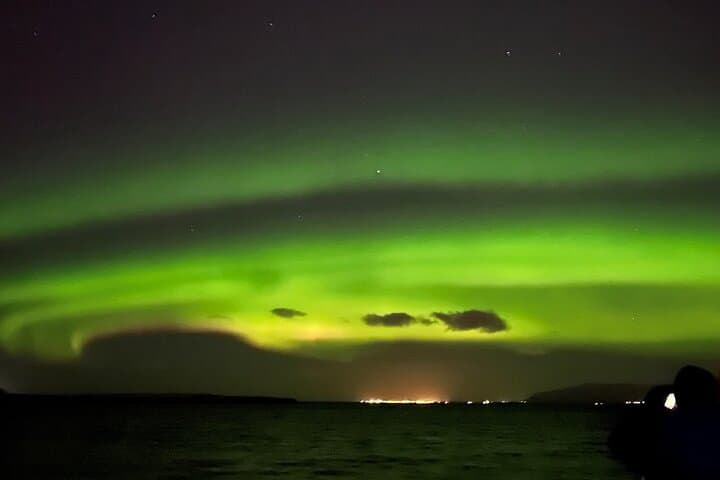
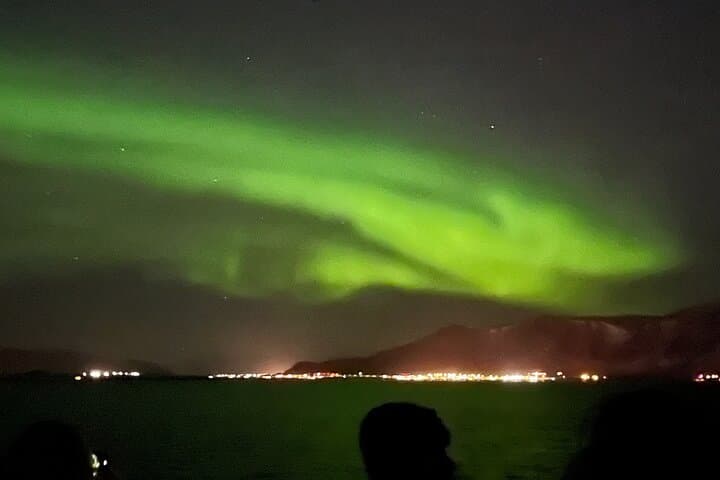
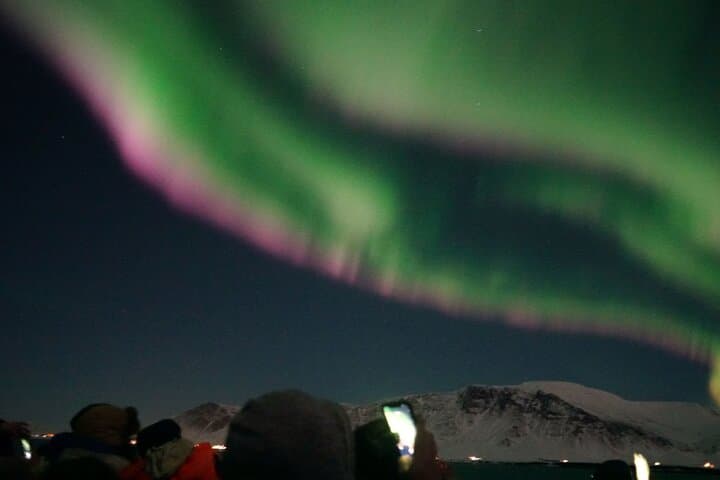
The harbor air is a bite of cold and salt, and the city lights behind you dim as the boat slips off its moorings. On a clear winter night the sea lays flat like ink and the Atlantic dares the sky to perform. Guides point the bow toward darker water, and the first low curtains of color—green, sometimes violet—push across the horizon and up into the sky.
The harbor air is a bite of cold and salt, and the city lights behind you dim as the boat slips off its moorings. On a clear winter night the sea lays flat like ink and the Atlantic dares the sky to perform. Guides point the bow toward darker water, and the first low curtains of color—green, sometimes violet—push across the horizon and up into the sky.
This is Reykjavik’s northern lights chase from the water: a short, purposeful escape from the city glow where the ocean becomes an observatory. The Old Harbour has been Reykjavik’s working edge for centuries, where fishermen launched voyages that helped shape Iceland’s modern identity. Geology here is young and loud—the volcanic ridge that underpins the Reykjanes Peninsula throws quick weather, so clear, cold nights that follow a front are often the most generous for aurora.
The tour leans on local know-how: experienced guides who read forecasts, cloud cover, and geomagnetic activity to position the vessel where visibility is highest. On board, practical comforts—heated indoor cabins, restrooms, complimentary flotation suits and seasickness tablets—keep the drama outside and the experience manageable. The operator’s promise of a free return if the Aurora doesn’t appear shows the business is betting on fairness as much as on showy skies.
Culturally, nightlife on Reykjavik’s waterfront is modest compared with the lights overhead; locals treat aurora viewing like a communal pause—strangers sharing silence as the sky moves. The trip is short (about 2–3 hours) but intense: you’re stopping the city’s static and letting the night decide.
If you go, dress like you plan to stand on a cold deck. Layers that trap heat, windproof shells, insulated gloves, and a warm hat are essential. Bring a tripod and a camera with manual settings if you want aurora shots; use wide-angle lenses and set long exposures. Expect the boat to move; a beanbag or small stabilizer makes long exposures easier. Eat and hydrate beforehand—sea air sharpens appetite and the cold drains energy.
Timing is simple: the best nights are clear, cold ones after a frontal pass (typically autumn through spring). Plan to arrive 30 minutes early at Geirsgata 11 to check in. If you’re prone to motion sickness, take the provided tablets or your own preventative dose an hour before departure. Above all: be patient. The aurora is a performance with its own schedule, and when it arrives, the memory is immediate and unmistakable.