THE ADVENTURE COLLECTIVE® · Independent discovery and booking for outdoor travel

A single-day loop that stitches Auckland’s urban highlights to the wild west coast and award-winning wineries. Expect skyline viewpoints, black-sand surf, and two relaxed vineyard tastings—perfect for travelers who want a full, varied taste of the region in one day.
A single-day loop that stitches Auckland’s urban highlights to the wild west coast and award-winning wineries. Expect skyline viewpoints, black-sand surf, and two relaxed vineyard tastings—perfect for travelers who want a full, varied taste of the region in one day.
The day begins on Customs Street East, where the minibus hums awake and the city unfolds from glass towers to salt-scrubbed shoreline. As the vehicle slips along Tamaki Drive, Mission Bay opens like a postcard—white sand underfoot, cafes steaming, ferries bobbing in the Hauraki Gulf—before the route pivots west and the coastline grows steely and raw. By afternoon the surf has turned a different color: the famous black sand of Muriwai, wind-driven and dramatic, rolling in from the Tasman with a voice that dares visitors to stand and listen.
Verified experiences and guided adventures in the surrounding area.
Operated by ExperienceKart · Auckland, Auckland
The day begins on Customs Street East, where the minibus hums awake and the city unfolds from glass towers to salt-scrubbed shoreline. As the vehicle slips along Tamaki Drive, Mission Bay opens like a postcard—white sand underfoot, cafes steaming, ferries bobbing in the Hauraki Gulf—before the route pivots west and the coastline grows steely and raw. By afternoon the surf has turned a different color: the famous black sand of Muriwai, wind-driven and dramatic, rolling in from the Tasman with a voice that dares visitors to stand and listen.
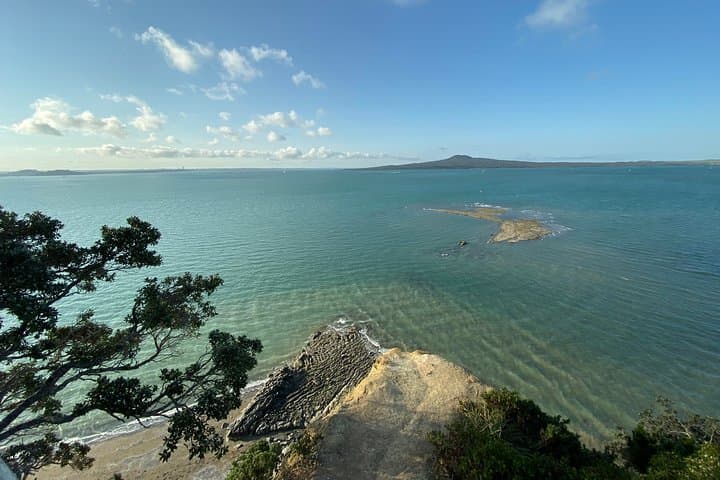
This half-city, half-coast loop is as much a cultural primer as a scenic spin. Bastion Point (Takaparawhā) holds layers of history: a Māori place of significance and the site of mid-20th-century protests over land rights, now punctuated by the Savage Memorial and a lookout that frames Rangitoto Island and the Harbour Bridge. Achilles Point carries naval echoes—the HMS Achilles and its wartime fame—while Devonport and Parnell showcase Victorian facades, boutique galleries, and the soft eccentricity of Auckland's North Shore life.
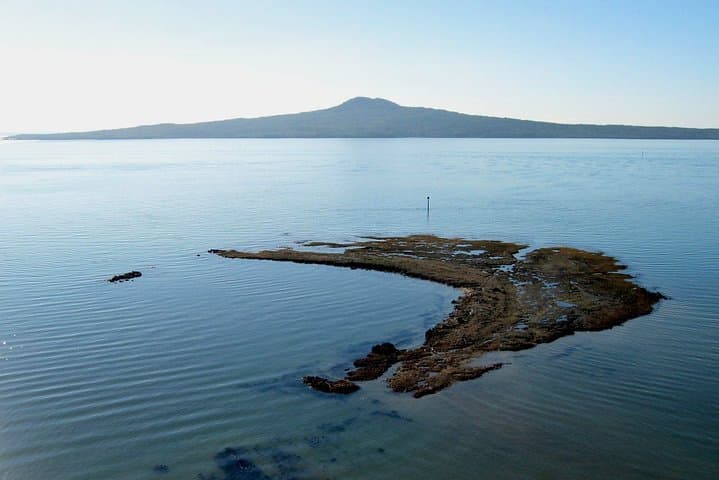
Geology writes itself across the route. Rangitoto’s black volcanic cone sits like a sleeping giant in the gulf; the dark sand at Muriwai is ground basalt and iron-rich sediment, worn from ancient lava flows and polished by relentless surf. At Muriwai the cliffs host a seasonal congregation of Australasian gannets—white bodies and dagger beaks rotating like punctuation marks against the wind—though access and viewing are subject to nesting seasons and conservation measures.
By mid-afternoon the tone shifts to vineyards. The tour heads northwest toward Kumeu–Huapai country, where compact cellar doors offer Sauvignon Blancs and Chardonnays in a relaxed tasting. The pairing—raw coastline followed by refined wine—makes sense: salt, stone, and a local varietal to settle the day.
Practical essentials are simple but specific. The meeting point is outside Mövenpick Hotel at 8 Customs Street East; pickup from central CBD hotels is included. Scenic walks are short and optional, but exposed coastal weather can be brisk—layers, a windproof jacket, and closed-toe shoes are recommended year-round. Photography is best in low light: early morning on the eastern beaches for soft reflections, or late afternoon at Bastion Point for skyline silhouettes.
Travelers should note the gannet colony is seasonal (roughly August–April) and occasionally closed due to erosion or slips; operators provide alternatives when sites are unavailable. Bring a reusable water bottle and sensible footwear, and allow the day’s contrasts—city polish, raw ocean, and vineyard calm—to shape a full, distinctly Auckland picture.
easy.
8 hours.
Suitable for most fitness levels; participants should be able to manage short, optional walks and stairs.
The tour meets and finishes outside Mövenpick Hotel, 8 Customs Street East, Auckland CBD; central hotel pickup is available at listed properties.
Yes—luxury, air-conditioned return transfers via minibus are included in the price.
Gannets are seasonal (typically Aug–Apr) and their visibility depends on nesting cycles and weather; the operator will substitute other stops if the colony is closed.
Lunch is not included; there is time to purchase food at Mission Bay or at a vineyard lunch option at your own expense.
No—New Zealand law requires a valid photo ID for alcohol consumption; tasters are available for those of legal age only.
Tours may be canceled for severe weather or safety concerns; full refunds are available if canceled at least 24 hours prior, and the operator may rebook or refund for weather-related cancellations.
Takaparawhā (Bastion Point) is significant in Māori political history and was the focus of major protests over land occupation in the 1970s; Achilles Point commemorates naval history tied to HMS Achilles.
The Muriwai coastline is prone to erosion and slips; visitors are asked to follow closed-area notices to protect nesting seabirds and fragile dunes.
ExperienceKart operates guided outdoor trips and adventures with an emphasis on safety, stewardship, and memorable experiences.
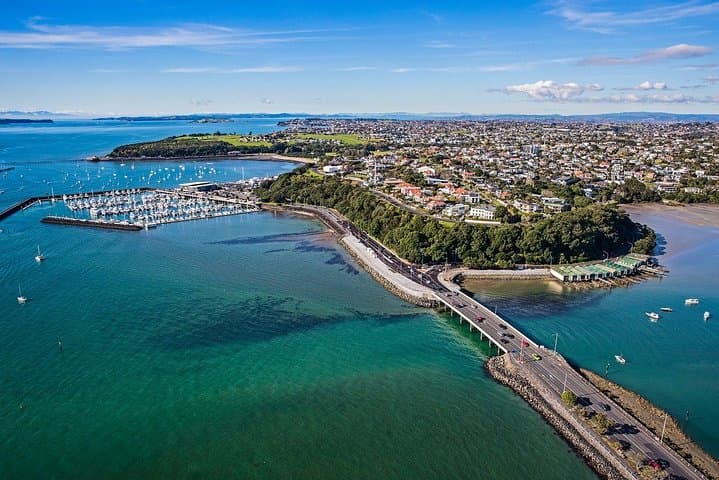
The day begins on Customs Street East, where the minibus hums awake and the city unfolds from glass towers to salt-scrubbed shoreline. As the vehicle slips along Tamaki Drive, Mission Bay opens like a postcard—white sand underfoot, cafes steaming, ferries bobbing in the Hauraki Gulf—before the route pivots west and the coastline grows steely and raw. By afternoon the surf has turned a different color: the famous black sand of Muriwai, wind-driven and dramatic, rolling in from the Tasman with a voice that dares visitors to stand and listen.
The day begins on Customs Street East, where the minibus hums awake and the city unfolds from glass towers to salt-scrubbed shoreline. As the vehicle slips along Tamaki Drive, Mission Bay opens like a postcard—white sand underfoot, cafes steaming, ferries bobbing in the Hauraki Gulf—before the route pivots west and the coastline grows steely and raw. By afternoon the surf has turned a different color: the famous black sand of Muriwai, wind-driven and dramatic, rolling in from the Tasman with a voice that dares visitors to stand and listen.
This half-city, half-coast loop is as much a cultural primer as a scenic spin. Bastion Point (Takaparawhā) holds layers of history: a Māori place of significance and the site of mid-20th-century protests over land rights, now punctuated by the Savage Memorial and a lookout that frames Rangitoto Island and the Harbour Bridge. Achilles Point carries naval echoes—the HMS Achilles and its wartime fame—while Devonport and Parnell showcase Victorian facades, boutique galleries, and the soft eccentricity of Auckland's North Shore life.
Geology writes itself across the route. Rangitoto’s black volcanic cone sits like a sleeping giant in the gulf; the dark sand at Muriwai is ground basalt and iron-rich sediment, worn from ancient lava flows and polished by relentless surf. At Muriwai the cliffs host a seasonal congregation of Australasian gannets—white bodies and dagger beaks rotating like punctuation marks against the wind—though access and viewing are subject to nesting seasons and conservation measures.
By mid-afternoon the tone shifts to vineyards. The tour heads northwest toward Kumeu–Huapai country, where compact cellar doors offer Sauvignon Blancs and Chardonnays in a relaxed tasting. The pairing—raw coastline followed by refined wine—makes sense: salt, stone, and a local varietal to settle the day.
Practical essentials are simple but specific. The meeting point is outside Mövenpick Hotel at 8 Customs Street East; pickup from central CBD hotels is included. Scenic walks are short and optional, but exposed coastal weather can be brisk—layers, a windproof jacket, and closed-toe shoes are recommended year-round. Photography is best in low light: early morning on the eastern beaches for soft reflections, or late afternoon at Bastion Point for skyline silhouettes.
Travelers should note the gannet colony is seasonal (roughly August–April) and occasionally closed due to erosion or slips; operators provide alternatives when sites are unavailable. Bring a reusable water bottle and sensible footwear, and allow the day’s contrasts—city polish, raw ocean, and vineyard calm—to shape a full, distinctly Auckland picture.