THE ADVENTURE COLLECTIVE® · Independent discovery and booking for outdoor travel

When night settles over Pack Square, Asheville’s past steps into the lamplight. This one-hour walking ghost tour pairs verified history with enduring lore, guiding you through Art Deco streets that still seem to breathe after dark.
When night settles over Pack Square, Asheville’s past steps into the lamplight. This one-hour walking ghost tour pairs verified history with enduring lore, guiding you through Art Deco streets that still seem to breathe after dark.
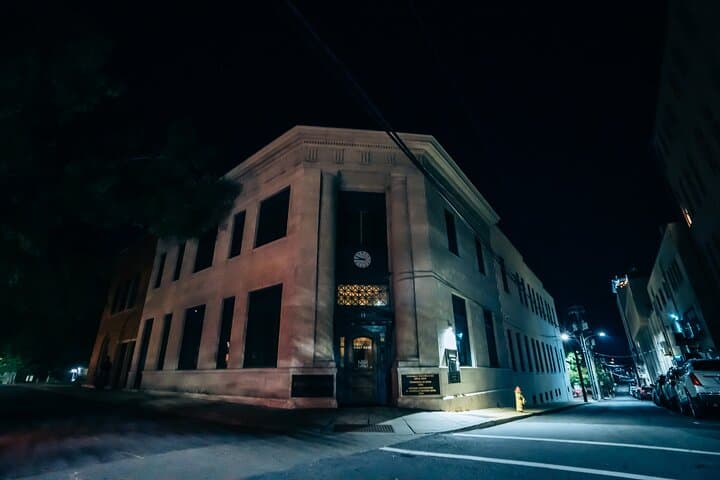
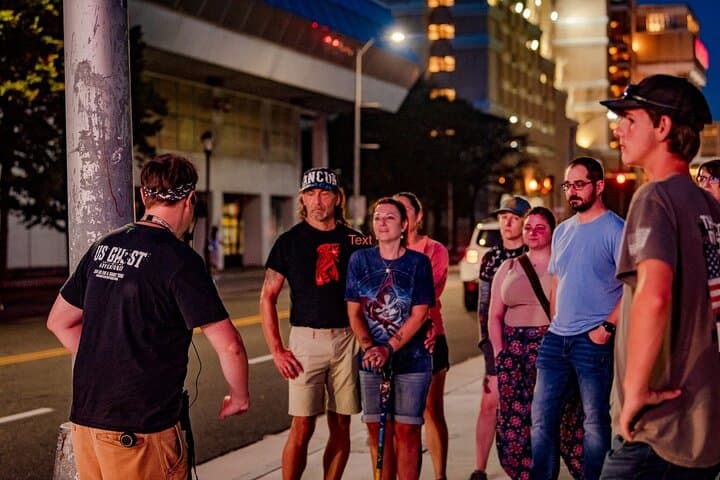
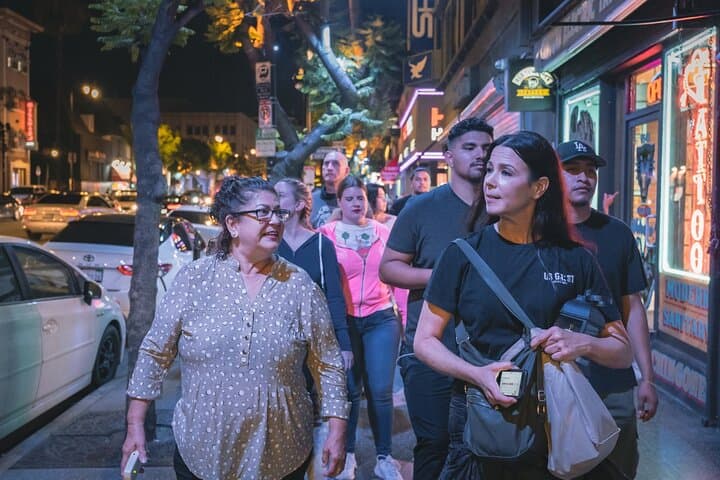
Dusk slides down Pack Square as a lantern lifts by the Jackson Building’s brick bullseye. Downtown Asheville exhales—the Art Deco skyline glows, a drumbeat of footsteps gathers, and the streets dare you to listen. The guide speaks low and even, and suddenly the city’s edges sharpen: cobblestones seem to remember, alleys tilt their heads, and windows hold their breath.
Verified experiences and guided adventures in the surrounding area.
Operated by Colonial Ghosts By Us Ghost Adventures · Asheville, North Carolina
Dusk slides down Pack Square as a lantern lifts by the Jackson Building’s brick bullseye. Downtown Asheville exhales—the Art Deco skyline glows, a drumbeat of footsteps gathers, and the streets dare you to listen. The guide speaks low and even, and suddenly the city’s edges sharpen: cobblestones seem to remember, alleys tilt their heads, and windows hold their breath.
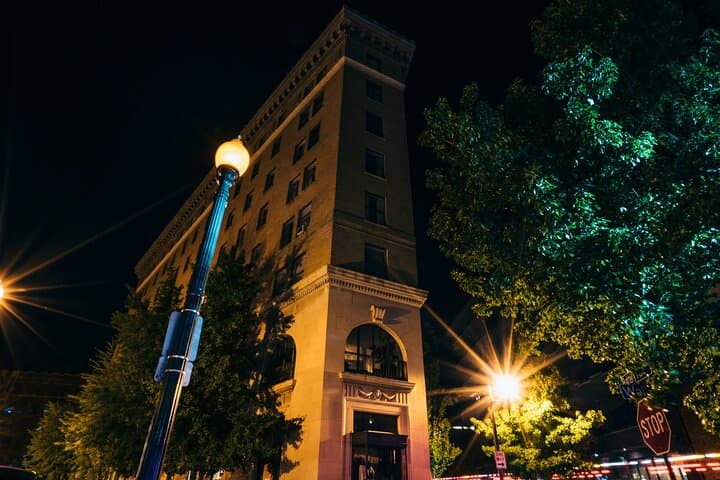
This is a one-hour walking ghost tour that threads through Asheville’s most storied blocks. It moves at an easy pace, looping about a mile past landmarks like the Basilica of St. Lawrence, the Grove Arcade, the Flatiron Building, and Pritchard Park. Each stop folds history into hauntings. Prohibition once ran fast through these hills; bootleggers had the mountains in their back pocket. The boom years sculpted Asheville’s ornate facades, but the Great Depression pulled the floorboards out—stories from that era still echo, and on this route, you’ll hear how some never quite left.
At the Basilica, the legend of a master builder lingers—craft and obsession etched into brick and vault. The Battery Park Hotel story tightens the air with a 1930s mystery. The Grove Arcade, opened with big promise just before everything went sideways, guards its secrets behind grand arches. Pritchard Park, once home to the city’s post office, wears its past like a chill that finds your collar. It’s not theater; it’s documentation told well, researched and grounded, delivered with the kind of restraint that lets the facts do the haunting.
The terrain is urban: sidewalks, curbs, a few cobblestoned patches. No buildings are entered; the experience stays street-side, where Asheville shows its bones. Expect mild elevation changes and downtown bustle. Strollers and wheelchairs can navigate the route, though a few uneven surfaces ask for steady footing.
Practicalities help the night go smoothly. The meeting point is the Jackson Building at 22 S Pack Square—arrive 15 minutes early and look for the lantern. Wear comfortable shoes, bring a light layer for the mountain breeze, and keep a small bottle of water handy. Paid parking garages sit within a few blocks (Rankin Avenue and Biltmore Avenue garages are reliable). The tour runs in most weather; a compact umbrella beats a soggy story.
By the time the lantern lowers back at Pack Square, the city feels different. Asheville has a way of pushing history to the surface after dark—currents of time nudging you forward, then pausing long enough for the past to whisper across the concrete.
moderate.
1 hour.
Comfortable walking for an hour on city sidewalks with a few short hills and cobblestones.
The route covers roughly 1 mile in about 60 minutes with frequent stops for stories.
Yes. The route follows city sidewalks; expect a few uneven or cobblestoned patches that may require extra care.
Families are welcome, though younger kids should be comfortable with spooky stories and nighttime walking.
Tours run in light rain—bring a jacket or umbrella. If severe weather threatens, the operator will contact guests with updates.
No, all stories are told from public sidewalks outside historic sites and landmarks.
Absolutely. Be mindful of traffic and private property, and avoid using flash directly into windows.
Asheville boomed in the 1920s, then suffered a brutal crash during the Great Depression—events that shaped many of the tour’s stories. The Grove Arcade opened just before the downturn and later served federal offices, adding layers to its lore.
Help preserve downtown’s historic character by staying on sidewalks, reducing noise near residences, and packing out any trash. Respect private buildings and avoid leaning on fragile facades.
Colonial Ghosts By Us Ghost Adventures operates guided outdoor trips and adventures with an emphasis on safety, stewardship, and memorable experiences.
Dusk slides down Pack Square as a lantern lifts by the Jackson Building’s brick bullseye. Downtown Asheville exhales—the Art Deco skyline glows, a drumbeat of footsteps gathers, and the streets dare you to listen. The guide speaks low and even, and suddenly the city’s edges sharpen: cobblestones seem to remember, alleys tilt their heads, and windows hold their breath.
Dusk slides down Pack Square as a lantern lifts by the Jackson Building’s brick bullseye. Downtown Asheville exhales—the Art Deco skyline glows, a drumbeat of footsteps gathers, and the streets dare you to listen. The guide speaks low and even, and suddenly the city’s edges sharpen: cobblestones seem to remember, alleys tilt their heads, and windows hold their breath.
This is a one-hour walking ghost tour that threads through Asheville’s most storied blocks. It moves at an easy pace, looping about a mile past landmarks like the Basilica of St. Lawrence, the Grove Arcade, the Flatiron Building, and Pritchard Park. Each stop folds history into hauntings. Prohibition once ran fast through these hills; bootleggers had the mountains in their back pocket. The boom years sculpted Asheville’s ornate facades, but the Great Depression pulled the floorboards out—stories from that era still echo, and on this route, you’ll hear how some never quite left.
At the Basilica, the legend of a master builder lingers—craft and obsession etched into brick and vault. The Battery Park Hotel story tightens the air with a 1930s mystery. The Grove Arcade, opened with big promise just before everything went sideways, guards its secrets behind grand arches. Pritchard Park, once home to the city’s post office, wears its past like a chill that finds your collar. It’s not theater; it’s documentation told well, researched and grounded, delivered with the kind of restraint that lets the facts do the haunting.
The terrain is urban: sidewalks, curbs, a few cobblestoned patches. No buildings are entered; the experience stays street-side, where Asheville shows its bones. Expect mild elevation changes and downtown bustle. Strollers and wheelchairs can navigate the route, though a few uneven surfaces ask for steady footing.
Practicalities help the night go smoothly. The meeting point is the Jackson Building at 22 S Pack Square—arrive 15 minutes early and look for the lantern. Wear comfortable shoes, bring a light layer for the mountain breeze, and keep a small bottle of water handy. Paid parking garages sit within a few blocks (Rankin Avenue and Biltmore Avenue garages are reliable). The tour runs in most weather; a compact umbrella beats a soggy story.
By the time the lantern lowers back at Pack Square, the city feels different. Asheville has a way of pushing history to the surface after dark—currents of time nudging you forward, then pausing long enough for the past to whisper across the concrete.