THE ADVENTURE COLLECTIVE® · Independent discovery and booking for outdoor travel

A demanding full-day ascent from Ushuaia, Mount Alvear offers a 1,326 m summit with sweeping views over glaciers, Lago Fagnano and the Beagle Channel. This private trek follows the western route through French Valley—15 km and ~1,200 m of elevation gain—best for experienced, fit hikers.
A demanding full-day ascent from Ushuaia, Mount Alvear offers a 1,326 m summit with sweeping views over glaciers, Lago Fagnano and the Beagle Channel. This private trek follows the western route through French Valley—15 km and ~1,200 m of elevation gain—best for experienced, fit hikers.
The first steps out of Ushuaia feel like leaving civilization behind. A low coastal fog peels off the Beagle Channel as the van climbs toward the French Valley; ahead, Mount Alvear rises—a compact, sharp profile that demands attention. Trees thin to twisted lenga trunks, streams that have polished pebbles for millennia chatter at your feet, and the wind starts to take on personality, prodding and testing each layer of clothing you wear.
Verified experiences and guided adventures in the surrounding area.
Operated by 54° Trek-expeditions · Ushuaia, Tierra del Fuego
The first steps out of Ushuaia feel like leaving civilization behind. A low coastal fog peels off the Beagle Channel as the van climbs toward the French Valley; ahead, Mount Alvear rises—a compact, sharp profile that demands attention. Trees thin to twisted lenga trunks, streams that have polished pebbles for millennia chatter at your feet, and the wind starts to take on personality, prodding and testing each layer of clothing you wear.
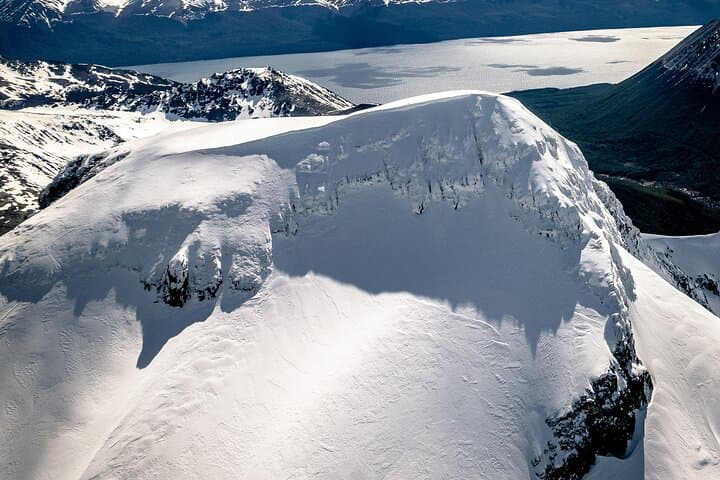
Geology has shaped this place with blunt instruments: glaciers gouged the valleys, leaving steep cirques and sharp ridgelines of the Darwin Range. From Monte Alvear’s 1,326-meter summit you get an uncompromising panorama—Domo Blanco and Ojo del Albino glaciers look like pale teeth; Lago Fagnano sits long and slow to the north; the Beagle Channel flashes silver to the east. The route described by guides runs the western approach through the French Valley, a corridor that gives a sustained view of the Bouvier range and the backcountry beyond Ushuaia.
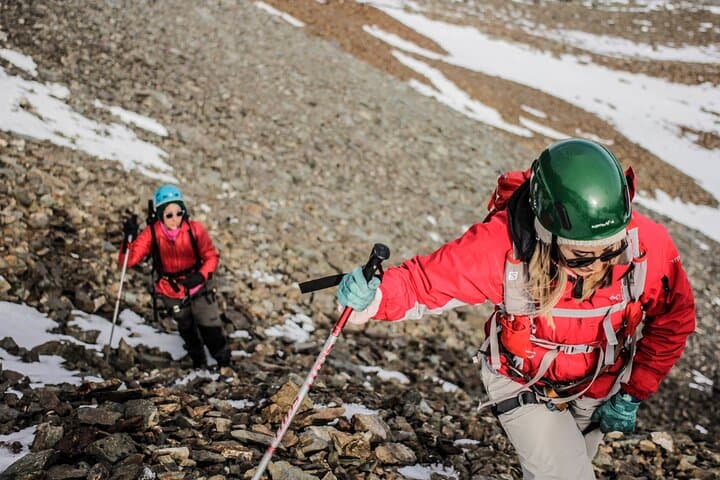
Long before guidebooks, the Yámana and Selk'nam peoples moved through these spaces, hunting and reading weather in the same wind that now thins your breath. The modern trek is a mix of wild forest, braided streams, moraine walking, and a final, honest push of steep switchbacks—15 km of trail with roughly 1,200 m of positive gain packed into a long day.
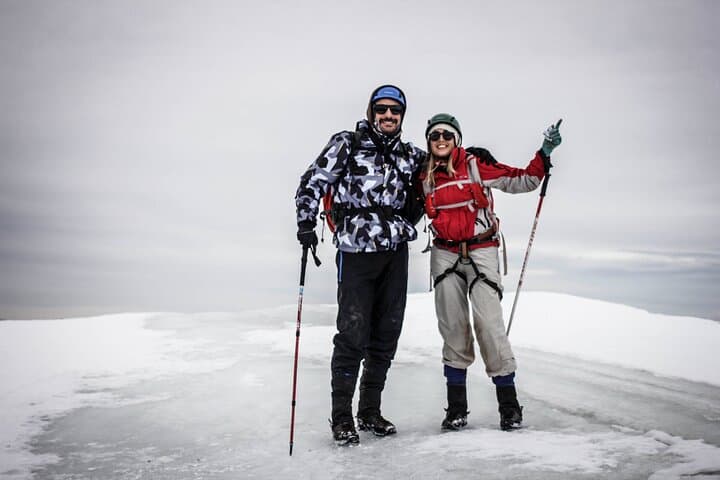
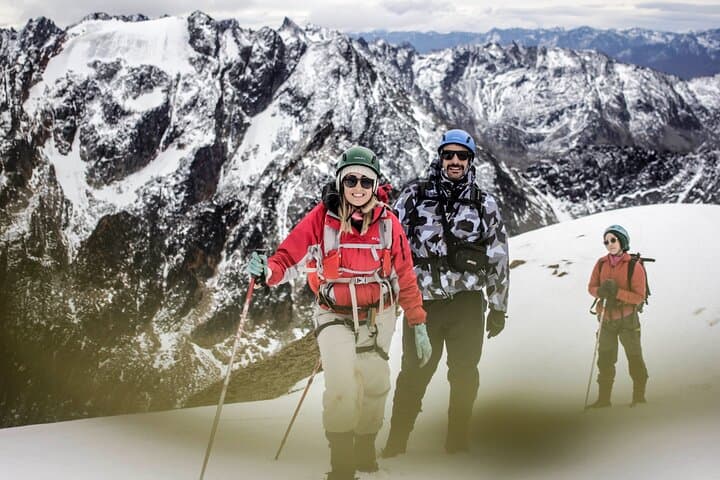
Practically, this is not a casual walk. The operator runs a private, full-day program (about 9 hours) with hotel pickup and safety equipment—helmets, harnesses and walking canes—and finishes with a simple brunch. The western route is low in technical complexity but high in physical demand: expect uneven terrain, wet crossings, and sections where crampons or microspikes may be necessary outside of summer.
Timing and layering are everything. Start early, keep a steady pace, and hydrate before the summit push; altitude isn’t extreme but the gradient is relentless. Guides will route you around fragile vegetation and creeks—leave no trace and carry out any trash. If weather turns, visibility drops fast and the summit can feel exposed; discretion is part of the guide’s job.
For experienced mountain trekkers ready for a hard day, Monte Alvear delivers one of Tierra del Fuego’s most complete vantage points—where glaciers, channels, and Patagonian peaks meet and dare you to keep going. If you come fit, prepared, and respectful, the summit delivers a view that rewards effort with perspective: the southern end of the Andes compressing into sharp, bright relief against the southern ocean.
challenging.
9 hours (full day).
High cardiovascular fitness and previous mountain trekking experience; comfortable with long uphill days and variable terrain.
The full-day itinerary is about 15 km with approximately 1,200 m of positive elevation gain; guides plan for roughly nine hours including breaks.
No technical climbing gear is required for the western route—guides provide helmets and harnesses—but microspikes may be necessary in icy conditions and sturdy boots are essential.
Participants should be in excellent physical shape with prior mountain trekking experience; the operator notes the route is physically demanding and not suitable for those with heart or back problems.
The operator does not automatically cancel for bad weather; decisions are made by guides based on safety. For a full refund cancel at least 24 hours prior to departure per their policy.
Yes—private transportation with hotel pickup is included; pickup is scheduled about 40 minutes before the start time and is arranged with the operator.
Coffee or tea and a post-hike brunch are included as part of the tour package.
The Ushuaia region was home to the Yámana and Selk'nam peoples; modern trails cross landscapes they used seasonally for food and travel.
Trails cross fragile sub-Antarctic vegetation and moraine—stay on established routes, pack out waste, and follow guides’ instructions to minimize impact.
54° Trek-expeditions operates guided outdoor trips and adventures with an emphasis on safety, stewardship, and memorable experiences.
The first steps out of Ushuaia feel like leaving civilization behind. A low coastal fog peels off the Beagle Channel as the van climbs toward the French Valley; ahead, Mount Alvear rises—a compact, sharp profile that demands attention. Trees thin to twisted lenga trunks, streams that have polished pebbles for millennia chatter at your feet, and the wind starts to take on personality, prodding and testing each layer of clothing you wear.
The first steps out of Ushuaia feel like leaving civilization behind. A low coastal fog peels off the Beagle Channel as the van climbs toward the French Valley; ahead, Mount Alvear rises—a compact, sharp profile that demands attention. Trees thin to twisted lenga trunks, streams that have polished pebbles for millennia chatter at your feet, and the wind starts to take on personality, prodding and testing each layer of clothing you wear.
Geology has shaped this place with blunt instruments: glaciers gouged the valleys, leaving steep cirques and sharp ridgelines of the Darwin Range. From Monte Alvear’s 1,326-meter summit you get an uncompromising panorama—Domo Blanco and Ojo del Albino glaciers look like pale teeth; Lago Fagnano sits long and slow to the north; the Beagle Channel flashes silver to the east. The route described by guides runs the western approach through the French Valley, a corridor that gives a sustained view of the Bouvier range and the backcountry beyond Ushuaia.
Long before guidebooks, the Yámana and Selk'nam peoples moved through these spaces, hunting and reading weather in the same wind that now thins your breath. The modern trek is a mix of wild forest, braided streams, moraine walking, and a final, honest push of steep switchbacks—15 km of trail with roughly 1,200 m of positive gain packed into a long day.
Practically, this is not a casual walk. The operator runs a private, full-day program (about 9 hours) with hotel pickup and safety equipment—helmets, harnesses and walking canes—and finishes with a simple brunch. The western route is low in technical complexity but high in physical demand: expect uneven terrain, wet crossings, and sections where crampons or microspikes may be necessary outside of summer.
Timing and layering are everything. Start early, keep a steady pace, and hydrate before the summit push; altitude isn’t extreme but the gradient is relentless. Guides will route you around fragile vegetation and creeks—leave no trace and carry out any trash. If weather turns, visibility drops fast and the summit can feel exposed; discretion is part of the guide’s job.
For experienced mountain trekkers ready for a hard day, Monte Alvear delivers one of Tierra del Fuego’s most complete vantage points—where glaciers, channels, and Patagonian peaks meet and dare you to keep going. If you come fit, prepared, and respectful, the summit delivers a view that rewards effort with perspective: the southern end of the Andes compressing into sharp, bright relief against the southern ocean.