THE ADVENTURE COLLECTIVE® · Independent discovery and booking for outdoor travel

Short, walkable treks around Kathmandu blend UNESCO heritage, pine-forested ridges and wide Himalayan views without high altitude. Ideal for travelers who want accessible nature, cultural context, and comfortable guesthouse nights.
Short, walkable treks around Kathmandu blend UNESCO heritage, pine-forested ridges and wide Himalayan views without high altitude. Ideal for travelers who want accessible nature, cultural context, and comfortable guesthouse nights.
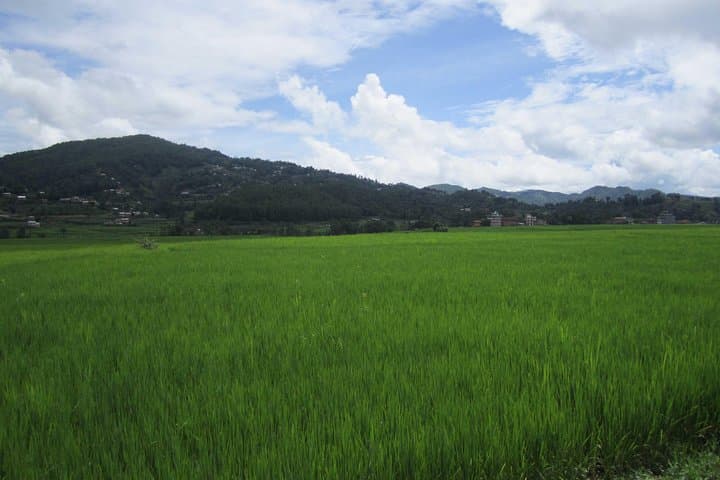
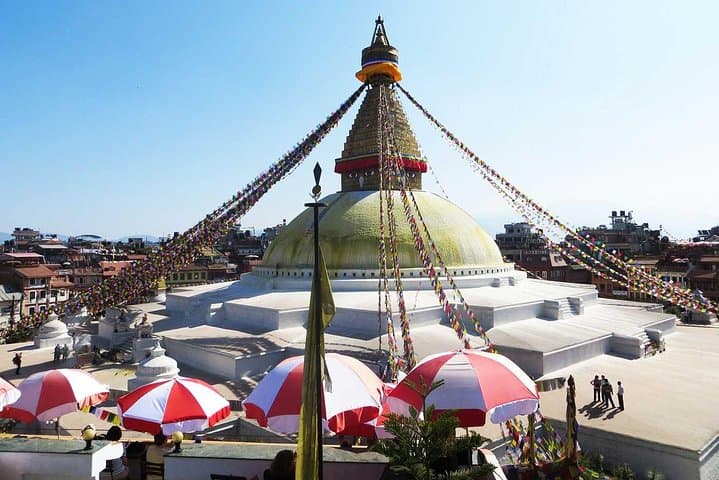
By the time the taxi pulls off the narrow ring road and the urban noise thins, the air above Kathmandu tastes different—cooler, laced with pine resin and distant chiming of temple bells. You start at 1,400 m in the city’s lanes, then in a half-hour the road narrows again and the houses give way to terraced fields and a ribbon of trail that climbs toward Dada Gaun. Over the next three days the itinerary stitches together UNESCO heritage in the valley with short, honest treks: Shivapuri forests, the Chisapani ridge (2,215 m), a sunrise over Nagarkot or Dhulikhel views, and the waterfall-sliced approach into Sundarijal (1,460 m).
Verified experiences and guided adventures in the surrounding area.
Operated by Ace the Himalaya · Kathmandu, Bagmati Province
By the time the taxi pulls off the narrow ring road and the urban noise thins, the air above Kathmandu tastes different—cooler, laced with pine resin and distant chiming of temple bells. You start at 1,400 m in the city’s lanes, then in a half-hour the road narrows again and the houses give way to terraced fields and a ribbon of trail that climbs toward Dada Gaun. Over the next three days the itinerary stitches together UNESCO heritage in the valley with short, honest treks: Shivapuri forests, the Chisapani ridge (2,215 m), a sunrise over Nagarkot or Dhulikhel views, and the waterfall-sliced approach into Sundarijal (1,460 m).
The route runs on the shoulders of Kathmandu’s history. These ridges were once informal lookout points and local pilgrimage paths that link Newar villages to summer pastures. Geologically, the area is the outer edge of the Lesser Himalaya—low ridgelines and sharp escarpments that offer mountain frames without the altitude of long passes. Culturally, the trek is as much about people as peaks: Newar architecture, roadside shrines, and teahouse menus that move from dal bhat to fresh momo.
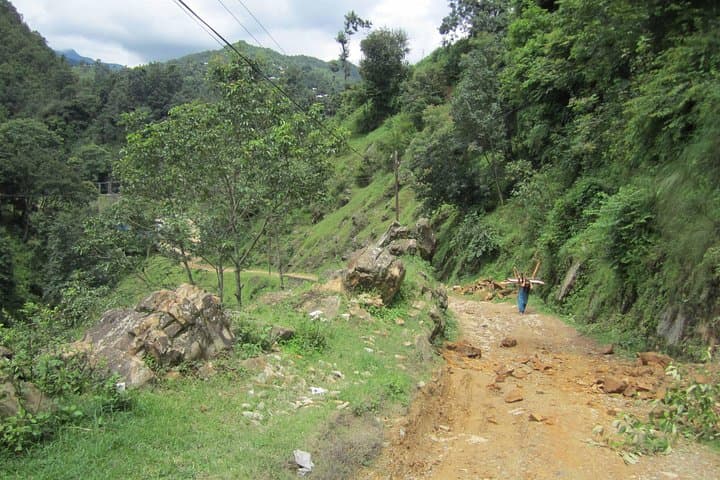
Expect well-trod dirt tracks, stone stairways, and stretches of mixed forest where rhododendron and oak close in. On clear mornings the snowy band of Annapurna–Manaslu–Langtang steels the horizon; on misty afternoons the ridgeline wears the weather like a coat, the wind rearranging clouds as if testing you.
Practical edge: the longest walking day is the Dada Gaun to Chisapani leg—plan for 8–9 hours of steady uphill and ridge walking with roughly 800–900 m of cumulative ascent depending on your starting line. Sundarijal to Kathmandu is gentler—about 3–4 hours descending, with a chance to cool off at the waterfall and dam. Drives between trailheads are short (30–60 minutes) but expect narrow rural roads.
Bring layers—the temperature swings from city warmth to cool ridge wind—and good ankle-support hiking shoes for uneven stone steps. Hydrate early: local shops exist along the way but carry at least 1.5–2 liters for full days. Guides handle permits and Shivapuri National Park fees, and accommodations range from guesthouses in Chisapani to a three-star hotel in Kathmandu.
Timing: spring and autumn deliver the clearest mountain vistas; winter light is crisp but chilly; monsoon brings green forests and muddy trails. The trip’s pace is intentionally gentle—suitable for travelers seeking cultural context and easy ridge trekking rather than high-altitude endurance.
This is a trek where the valley’s history meets accessible nature: mornings that push you out of the city and ridgelines that reward you with wide Himalayan glimpses, then a warm dal and a simple bed in a village guesthouse—an honest short trek around one of Asia’s most layered capitals.
moderate.
3–9 hours per active day.
Suitable for travelers with moderate fitness who can sustain several hours of steady uphill and downhill walking.
Yes—Shivapuri National Park entrance is included by the operator; guides will handle permits and park fees on your behalf.
The trek is described as easy to moderate; with no technical sections many active children and older adults can join, but assess stamina for the 8–9 hour Chisapani day.
You’ll have a three-star hotel in Kathmandu and a basic guesthouse in Chisapani—simple beds, shared bathrooms, and hearty local meals.
Elevations stay below ~2,300 m so serious altitude sickness is uncommon; still, hydrate, move at a steady pace, and inform guides of any symptoms.
Yes—private airport pickup and drop-off via tourist vehicle are included per the itinerary.
The operator offers shared tours with up to 15 travelers; inquire directly about private departures and date flexibility.
Kathmandu Valley has been a cultural crossroads for millennia; many ridge pathways were once trade and pilgrimage routes connecting Newar settlements to hill pastures.
Shivapuri National Park entrance fees support local conservation; stick to marked trails, minimize single-use plastics, and respect village waste practices.
Ace the Himalaya operates guided outdoor trips and adventures with an emphasis on safety, stewardship, and memorable experiences.

By the time the taxi pulls off the narrow ring road and the urban noise thins, the air above Kathmandu tastes different—cooler, laced with pine resin and distant chiming of temple bells. You start at 1,400 m in the city’s lanes, then in a half-hour the road narrows again and the houses give way to terraced fields and a ribbon of trail that climbs toward Dada Gaun. Over the next three days the itinerary stitches together UNESCO heritage in the valley with short, honest treks: Shivapuri forests, the Chisapani ridge (2,215 m), a sunrise over Nagarkot or Dhulikhel views, and the waterfall-sliced approach into Sundarijal (1,460 m).
By the time the taxi pulls off the narrow ring road and the urban noise thins, the air above Kathmandu tastes different—cooler, laced with pine resin and distant chiming of temple bells. You start at 1,400 m in the city’s lanes, then in a half-hour the road narrows again and the houses give way to terraced fields and a ribbon of trail that climbs toward Dada Gaun. Over the next three days the itinerary stitches together UNESCO heritage in the valley with short, honest treks: Shivapuri forests, the Chisapani ridge (2,215 m), a sunrise over Nagarkot or Dhulikhel views, and the waterfall-sliced approach into Sundarijal (1,460 m).
The route runs on the shoulders of Kathmandu’s history. These ridges were once informal lookout points and local pilgrimage paths that link Newar villages to summer pastures. Geologically, the area is the outer edge of the Lesser Himalaya—low ridgelines and sharp escarpments that offer mountain frames without the altitude of long passes. Culturally, the trek is as much about people as peaks: Newar architecture, roadside shrines, and teahouse menus that move from dal bhat to fresh momo.
Expect well-trod dirt tracks, stone stairways, and stretches of mixed forest where rhododendron and oak close in. On clear mornings the snowy band of Annapurna–Manaslu–Langtang steels the horizon; on misty afternoons the ridgeline wears the weather like a coat, the wind rearranging clouds as if testing you.
Practical edge: the longest walking day is the Dada Gaun to Chisapani leg—plan for 8–9 hours of steady uphill and ridge walking with roughly 800–900 m of cumulative ascent depending on your starting line. Sundarijal to Kathmandu is gentler—about 3–4 hours descending, with a chance to cool off at the waterfall and dam. Drives between trailheads are short (30–60 minutes) but expect narrow rural roads.
Bring layers—the temperature swings from city warmth to cool ridge wind—and good ankle-support hiking shoes for uneven stone steps. Hydrate early: local shops exist along the way but carry at least 1.5–2 liters for full days. Guides handle permits and Shivapuri National Park fees, and accommodations range from guesthouses in Chisapani to a three-star hotel in Kathmandu.
Timing: spring and autumn deliver the clearest mountain vistas; winter light is crisp but chilly; monsoon brings green forests and muddy trails. The trip’s pace is intentionally gentle—suitable for travelers seeking cultural context and easy ridge trekking rather than high-altitude endurance.
This is a trek where the valley’s history meets accessible nature: mornings that push you out of the city and ridgelines that reward you with wide Himalayan glimpses, then a warm dal and a simple bed in a village guesthouse—an honest short trek around one of Asia’s most layered capitals.