THE ADVENTURE COLLECTIVE® · Independent discovery and booking for outdoor travel

Explore Ilha Grande’s preserved beaches by speedboat: five stops, snorkeling at coral gardens, and beachside relaxations on an 8‑hour loop from Vila do Abraão. Practical tips on timing, gear, and what to expect at each stop.
Explore Ilha Grande’s preserved beaches by speedboat: five stops, snorkeling at coral gardens, and beachside relaxations on an 8‑hour loop from Vila do Abraão. Practical tips on timing, gear, and what to expect at each stop.
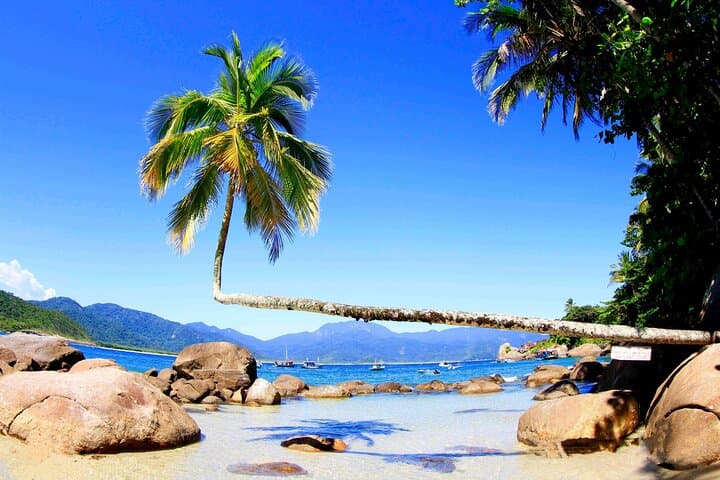
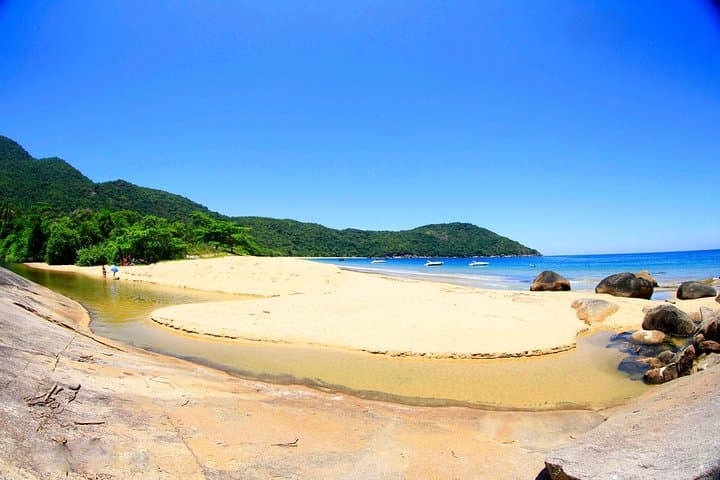
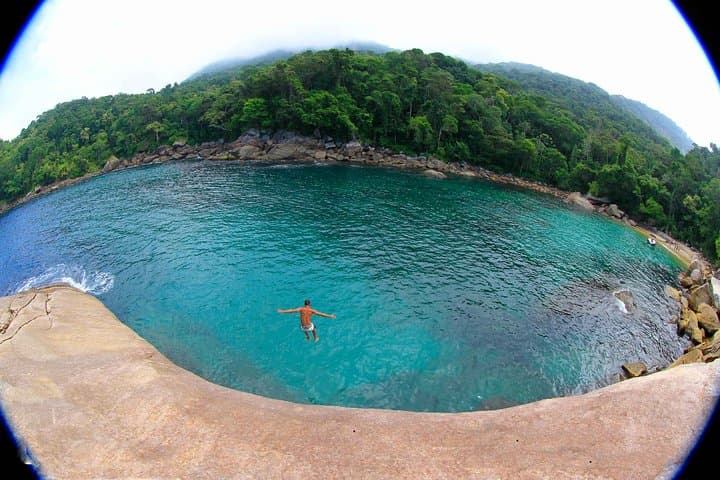
The speedboat slips away from Vila do Abraão with a spray of sea and sunlight; within minutes the land thins into green ridgelines and beaches that seem to hold their breath. Caxadaço appears first — a sliver of sand and emerald water framed by volcanic rock — then Parnaioca's lagoon where a slow river meets the sea. Each stop feels like a private stretch of coastline, Aventureiro marked by its fallen coconut tree leaning toward the surf, Meros revealing coral gardens, and Maguariquessaba offering a broad pier and a chance for a long, slow swim as the day warms.
Verified experiences and guided adventures in the surrounding area.
Operated by Gray Line Brazil · Vila do Abraão, Rio de Janeiro
The speedboat slips away from Vila do Abraão with a spray of sea and sunlight; within minutes the land thins into green ridgelines and beaches that seem to hold their breath. Caxadaço appears first — a sliver of sand and emerald water framed by volcanic rock — then Parnaioca's lagoon where a slow river meets the sea. Each stop feels like a private stretch of coastline, Aventureiro marked by its fallen coconut tree leaning toward the surf, Meros revealing coral gardens, and Maguariquessaba offering a broad pier and a chance for a long, slow swim as the day warms.
Ilha Grande sits off Brazil’s Costa Verde, its geology shaped by ancient granite intrusions and steep rainforest-clad slopes. The island has a layered history: indigenous habitation, colonial-era isolation, and a recent shift toward conservation and low-impact tourism. Local fishing villages retain a relaxed pace and menus that favor fresh fish and coconut-infused flavors.
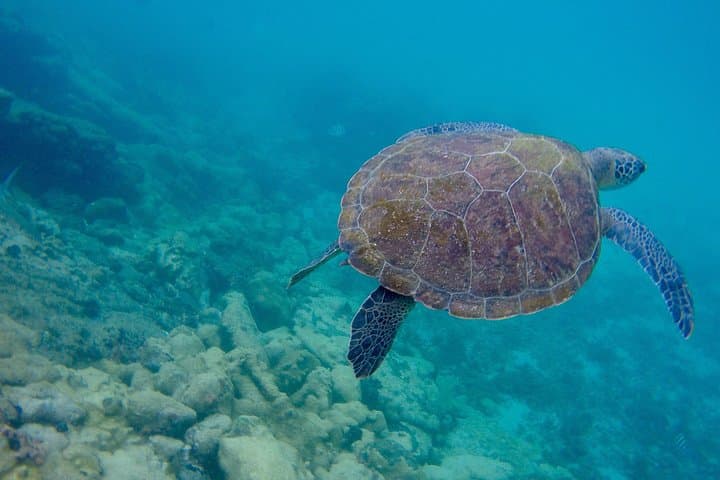
Practically, expect an 8-hour shared speedboat loop with five stops of 40–90 minutes each. Weather and tides can change the route; bring reef-safe sunscreen, a light rain layer and cash for optional lunches or snorkel rentals. Snorkeling at Meros rewards patient swimmers with visible corals, small reef fish and occasional turtles; shallow entry points make it accessible to most. Arrive early at the Vila do Abraão dock, listen to the safety briefing, and pace your sun exposure—late afternoon light softens the hills and fills the water with color. This is a day that pairs straightforward logistics with wide-open coastal scenery: fast travel between quiet beaches, short swims, and enough time to sit, breathe, and watch the island move slowly overhead.
easy.
7–8 hours.
Suitable for most fitness levels; be comfortable boarding small boats and doing short swims or wading.
The tour runs about 8 hours with five stops—typically 40–60 minutes each, with a longer stop at Maguariquessaba for lunch or sunset views.
Snorkel masks and snorkels are usually available to rent for a small fee (~20 BRL), but bringing your own guarantees fit and hygiene.
Yes—it's rated easy and includes safety equipment and floating devices; infants must sit on an adult’s lap and basic swimming ability is recommended for snorkelers.
Operators may change the route or cancel; full refunds are typically available if canceled at least 24 hours in advance for weather-related closures.
Ilha Grande has a layered past from indigenous Tupi habitation to quieter colonial settlements; its modern identity mixes fishing communities with protected forest areas.
The island is part of protected Marine and Atlantic Forest initiatives—use reef‑safe products, avoid touching corals, and pack out all trash to reduce impact.
Gray Line Brazil operates guided outdoor trips and adventures with an emphasis on safety, stewardship, and memorable experiences.
The speedboat slips away from Vila do Abraão with a spray of sea and sunlight; within minutes the land thins into green ridgelines and beaches that seem to hold their breath. Caxadaço appears first — a sliver of sand and emerald water framed by volcanic rock — then Parnaioca's lagoon where a slow river meets the sea. Each stop feels like a private stretch of coastline, Aventureiro marked by its fallen coconut tree leaning toward the surf, Meros revealing coral gardens, and Maguariquessaba offering a broad pier and a chance for a long, slow swim as the day warms.
The speedboat slips away from Vila do Abraão with a spray of sea and sunlight; within minutes the land thins into green ridgelines and beaches that seem to hold their breath. Caxadaço appears first — a sliver of sand and emerald water framed by volcanic rock — then Parnaioca's lagoon where a slow river meets the sea. Each stop feels like a private stretch of coastline, Aventureiro marked by its fallen coconut tree leaning toward the surf, Meros revealing coral gardens, and Maguariquessaba offering a broad pier and a chance for a long, slow swim as the day warms.
Ilha Grande sits off Brazil’s Costa Verde, its geology shaped by ancient granite intrusions and steep rainforest-clad slopes. The island has a layered history: indigenous habitation, colonial-era isolation, and a recent shift toward conservation and low-impact tourism. Local fishing villages retain a relaxed pace and menus that favor fresh fish and coconut-infused flavors.
Practically, expect an 8-hour shared speedboat loop with five stops of 40–90 minutes each. Weather and tides can change the route; bring reef-safe sunscreen, a light rain layer and cash for optional lunches or snorkel rentals. Snorkeling at Meros rewards patient swimmers with visible corals, small reef fish and occasional turtles; shallow entry points make it accessible to most. Arrive early at the Vila do Abraão dock, listen to the safety briefing, and pace your sun exposure—late afternoon light softens the hills and fills the water with color. This is a day that pairs straightforward logistics with wide-open coastal scenery: fast travel between quiet beaches, short swims, and enough time to sit, breathe, and watch the island move slowly overhead.