THE ADVENTURE COLLECTIVE® · Independent discovery and booking for outdoor travel

Step off a skiff into waist-deep water where southern stingrays glide like dark coins and the Atlantic keeps its own rhythm. This six-hour East Coast loop pairs close-up marine moments with Devil's Bridge, Long Bay snorkeling and a visit to Betty's Hope plantation.
Step off a skiff into waist-deep water where southern stingrays glide like dark coins and the Atlantic keeps its own rhythm. This six-hour East Coast loop pairs close-up marine moments with Devil's Bridge, Long Bay snorkeling and a visit to Betty's Hope plantation.
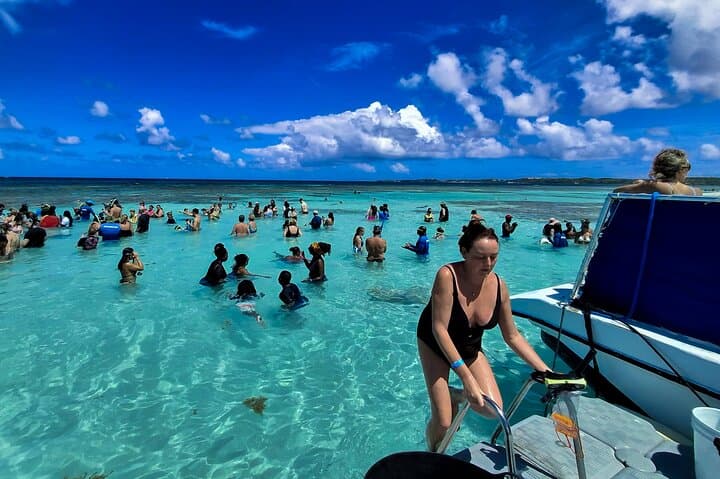
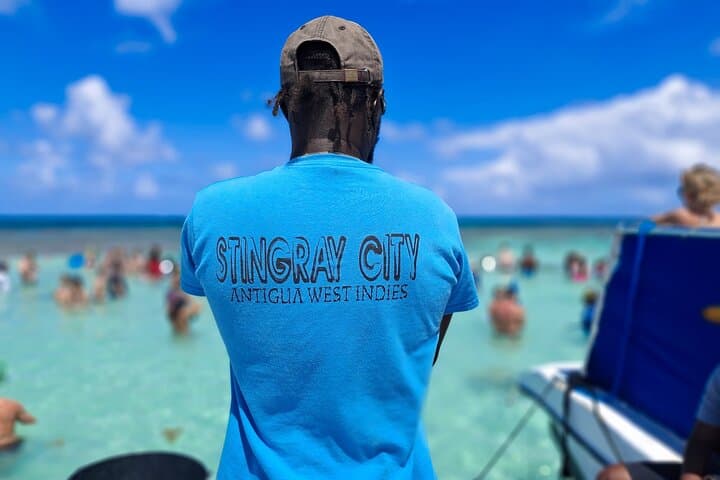
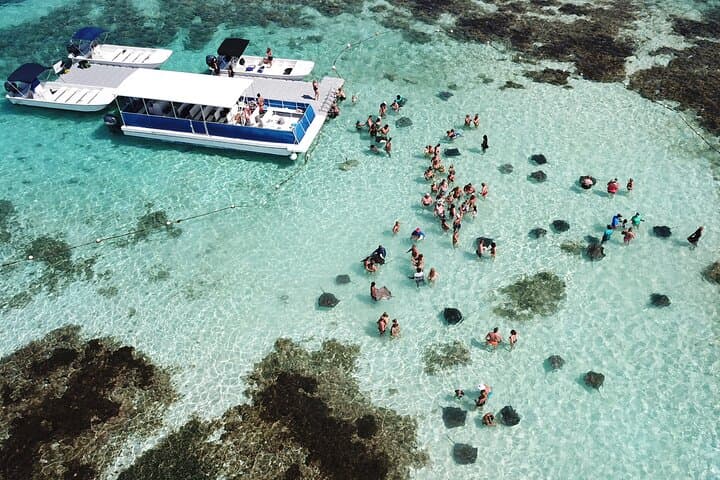
The boat slips away from the dock and the island peels back — limestone cliff, scrubby shrub, Atlantic surf hammering the reef. The captain throttles down and a flat, sandy stretch of sea opens up: Stingray City. Dark discs glide like living coins beneath the surface, curious and slow-moving, inviting you to step off the bow and into ankle-to-chest-deep water where they wait.
Verified experiences and guided adventures in the surrounding area.
Operated by Antigua chiama IT Tour by C.M.W. · St. John's, Saint John
The boat slips away from the dock and the island peels back — limestone cliff, scrubby shrub, Atlantic surf hammering the reef. The captain throttles down and a flat, sandy stretch of sea opens up: Stingray City. Dark discs glide like living coins beneath the surface, curious and slow-moving, inviting you to step off the bow and into ankle-to-chest-deep water where they wait.
This six-hour coastal loop reads like an island primer: an eight-minute ride to the stingrays, a short landfall at Devil's Bridge where the ocean has carved a raw arch from fossilized coral, a lazy hour on Long Bay's white sand for snorkeling and sun, and a late-afternoon stop at Betty's Hope, Antigua's 17th-century sugar estate turned open-air museum.
Geology here is blunt and uncompromising — Antigua is an uplifted coral island, its coasts scoured by Atlantic swell. Devil's Bridge is a visible ledger of that history, a slab of reef and limestone folded and pried by wind and waves. Betty's Hope, by contrast, is human history written in stone and steel: two restored windmills, sugar-press ruins and poignantly placed interpretive signs that point to the island's colonial and slave-era past.
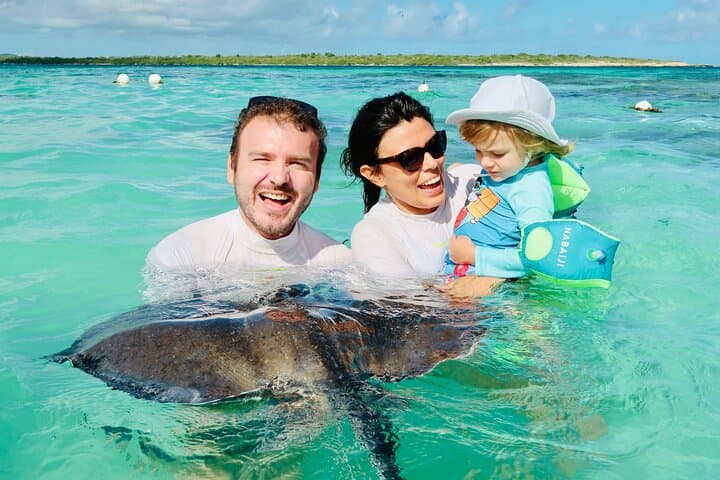
The stingrays are the day's headline, but they are not spectacles in tanks. They are wild, practiced at human contact in a shallow patch that rarely goes much deeper than 150 cm (about 4.75 ft). Guides hand out 50 UPF rashguards and supervise feedings so you can touch and photograph the rays safely; you don’t need to be a strong swimmer. The ocean, however, remains an actor with agency — currents and tides change the scene quickly.
Practical edge: the tour includes hotel or port pickup, bottled water, snorkeling gear, snacks, lunch and even a post-stingray rum punch if you’re over 21. Punctuality matters — operators enforce a strict no-show policy after a 10-minute delay — and the tour moves between short boat hops and easy shore visits, so expect a mix of standing, wading and walking on uneven rock.
Timing and pace are generous: arrive with reef-safe sunscreen and a waterproof camera, wear water shoes for the rocky approach to Devil's Bridge, and plan for light heat and strong sun. If you're prone to motion sickness, take medication before boarding; the sea legs here are short but real.
For travelers who want a compact primer on Antigua, this outing delivers ecology, coastline and history in a single day: rays that glide like slow currents of shadow, wind-milled ruins that keep one eye on the sea, and a beach that insists you breathe slower. It’s a quick, sensual education in what makes Antigua compelling.
easy.
6 hours.
Suitable for all fitness levels; participants should be comfortable standing and wading in shallow water.
No; the stingray area is shallow (around 150 cm/4.75 ft) and guides provide supervision and rashguards; however, basic comfort in water is required.
The southern stingrays encountered are accustomed to people and generally docile; guides manage interactions to minimize stress for animals and visitors.
Yes, snorkeling equipment is provided as part of the tour package.
Yes, the itinerary includes about 80 minutes at Long Bay for relaxing and snorkeling, weather permitting.
Lunch is included at a local restaurant; most operators can accommodate vegetarian requests if notified in advance.
Yes; the meeting point is a one-minute walk from the cruise terminal’s entry/exit gate in front of the Exotic Antigua shop—confirm pickup details in advance.
Betty's Hope was one of Antigua’s earliest sugar plantations, established in 1651; its restored windmills and interpretation panels document the island’s colonial sugar economy and enslaved labor.
Operators emphasize minimal contact with wildlife and provide reef-safe practices; visitors should avoid standing on coral and use only reef-safe sunscreens to reduce impacts.
Antigua chiama IT Tour by C.M.W. operates guided outdoor trips and adventures with an emphasis on safety, stewardship, and memorable experiences.
The boat slips away from the dock and the island peels back — limestone cliff, scrubby shrub, Atlantic surf hammering the reef. The captain throttles down and a flat, sandy stretch of sea opens up: Stingray City. Dark discs glide like living coins beneath the surface, curious and slow-moving, inviting you to step off the bow and into ankle-to-chest-deep water where they wait.
The boat slips away from the dock and the island peels back — limestone cliff, scrubby shrub, Atlantic surf hammering the reef. The captain throttles down and a flat, sandy stretch of sea opens up: Stingray City. Dark discs glide like living coins beneath the surface, curious and slow-moving, inviting you to step off the bow and into ankle-to-chest-deep water where they wait.
This six-hour coastal loop reads like an island primer: an eight-minute ride to the stingrays, a short landfall at Devil's Bridge where the ocean has carved a raw arch from fossilized coral, a lazy hour on Long Bay's white sand for snorkeling and sun, and a late-afternoon stop at Betty's Hope, Antigua's 17th-century sugar estate turned open-air museum.
Geology here is blunt and uncompromising — Antigua is an uplifted coral island, its coasts scoured by Atlantic swell. Devil's Bridge is a visible ledger of that history, a slab of reef and limestone folded and pried by wind and waves. Betty's Hope, by contrast, is human history written in stone and steel: two restored windmills, sugar-press ruins and poignantly placed interpretive signs that point to the island's colonial and slave-era past.
The stingrays are the day's headline, but they are not spectacles in tanks. They are wild, practiced at human contact in a shallow patch that rarely goes much deeper than 150 cm (about 4.75 ft). Guides hand out 50 UPF rashguards and supervise feedings so you can touch and photograph the rays safely; you don’t need to be a strong swimmer. The ocean, however, remains an actor with agency — currents and tides change the scene quickly.
Practical edge: the tour includes hotel or port pickup, bottled water, snorkeling gear, snacks, lunch and even a post-stingray rum punch if you’re over 21. Punctuality matters — operators enforce a strict no-show policy after a 10-minute delay — and the tour moves between short boat hops and easy shore visits, so expect a mix of standing, wading and walking on uneven rock.
Timing and pace are generous: arrive with reef-safe sunscreen and a waterproof camera, wear water shoes for the rocky approach to Devil's Bridge, and plan for light heat and strong sun. If you're prone to motion sickness, take medication before boarding; the sea legs here are short but real.
For travelers who want a compact primer on Antigua, this outing delivers ecology, coastline and history in a single day: rays that glide like slow currents of shadow, wind-milled ruins that keep one eye on the sea, and a beach that insists you breathe slower. It’s a quick, sensual education in what makes Antigua compelling.