THE ADVENTURE COLLECTIVE® · Independent discovery and booking for outdoor travel

Spend a day exploring Antalya’s Kaleiçi, from Hadrian’s Gate and the clock tower to a cooling stop at Kurşunlu Waterfall. This full-day tour from Side pairs guided context with free time for independent discovery.
Spend a day exploring Antalya’s Kaleiçi, from Hadrian’s Gate and the clock tower to a cooling stop at Kurşunlu Waterfall. This full-day tour from Side pairs guided context with free time for independent discovery.
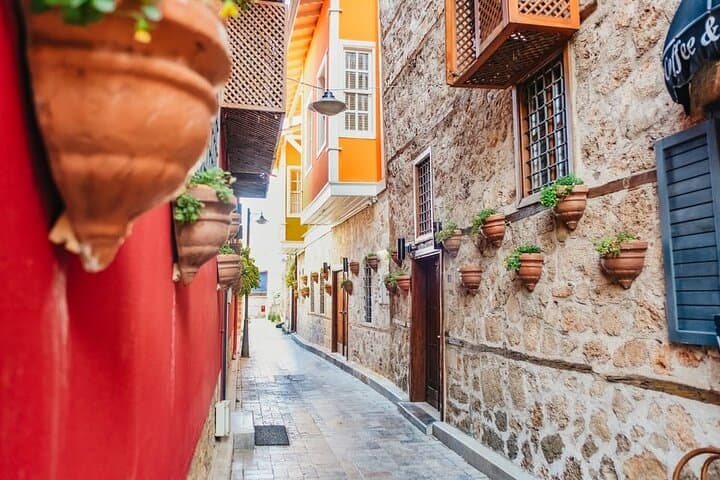
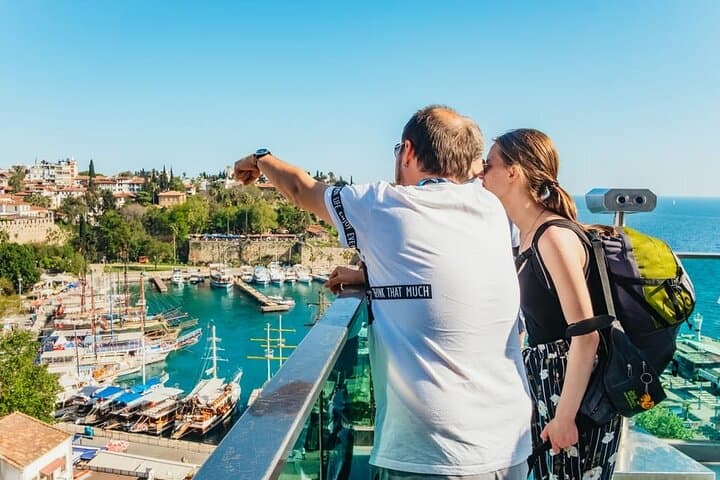
Morning light hits the Mediterranean like a promise as the minibus slips out of Side and follows the coast toward Antalya. By the time guests step into Kaleiçi — Antalya’s compact, centuries-old old town — the city has already arranged its contrasts: marble Roman arches framing sleek yacht masts, Ottoman wooden houses facing boutique cafés. For four hours the town belongs to the traveler: wandering cobbled lanes, peering through arches at blue sea, and finding the slow cadence of a city that has been a crossroads for Greeks, Romans and Ottomans.
Verified experiences and guided adventures in the surrounding area.
Operated by Side Holiday City Guide · Antalya, Antalya Province
Morning light hits the Mediterranean like a promise as the minibus slips out of Side and follows the coast toward Antalya. By the time guests step into Kaleiçi — Antalya’s compact, centuries-old old town — the city has already arranged its contrasts: marble Roman arches framing sleek yacht masts, Ottoman wooden houses facing boutique cafés. For four hours the town belongs to the traveler: wandering cobbled lanes, peering through arches at blue sea, and finding the slow cadence of a city that has been a crossroads for Greeks, Romans and Ottomans.
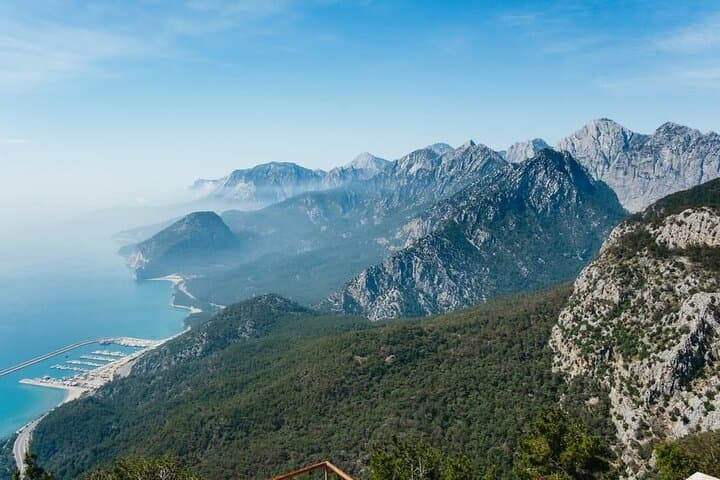
Antalya’s story is written in stone. Hadrian’s Gate, built to honor Rome’s emperor in the 2nd century, still marks an imperial entrance; the clock tower and Yivliminare Mosque nod to later medieval and Seljuk chapters. Geologically, the region sits where the Taurus Mountains meet the Mediterranean, which explains the sudden, dramatic greenery at Kurşunlu Waterfall — a short stop on the return leg where cascades fall into emerald pools carved from limestone and karst features that have shaped local streams for millennia.
Culture in Antalya is both public and small-scale. Street vendors sell roasted corn and gözleme; museums preserve mosaics and maritime relics. Guides on the tour point out layers of history in building façades and explain how Antalya became a key port on trade routes between Anatolia and the Mediterranean.
Practicalities are simple: the full-day trip runs roughly 6–7 hours with hotel pickup from Side and a guided drop-off. Most of the touring is pedestrian — narrow streets and a few short climbs — so comfortable shoes beat dressy options. The tour leaves time for self-directed exploration in Kaleiçi; visitors can slip into a museum, climb the clock tower, or choose a seaside café for a long lunch. Kurşunlu’s entrance is optional and inexpensive; it’s a 30-minute visit and an opportunity to cool off beneath a canopy of plane trees.
Timing matters. Arrive early in Kaleiçi to avoid the busiest midday crowds and to catch softer light for photos. Bring water (shops are available but lines form in summer), sunscreen, and a lightweight layer for breezy waterfront sections. If you want museums or special exhibitions, check opening hours in advance — the tour’s free time won’t extend museum operating hours.
For travelers who want an efficient, layered introduction to Antalya’s past and present, this day trip from Side balances guided context with independent wandering. It’s an accessible way to see classical ruins, Ottoman architecture, and a quick natural interlude at Kurşunlu — all in a single Mediterranean day.
easy.
6–7 hours.
Casual walking ability; must be comfortable on uneven cobblestones and short stair climbs
The excursion runs approximately 6–7 hours, including about four hours of free time in Kaleiçi and a short stop at Kurşunlu Waterfall.
Yes — the tour includes hotel pickup and drop-off from many Side-area hotels; confirm your pickup point when booking.
Hadrian’s Gate and walking the Old Town are free; entrance to museums and Kurşunlu Waterfall is typically paid locally and not included unless specified.
The tour is family-friendly and stroller-accessible in many areas, though some narrow streets and steps may require carrying the stroller short distances.
Guides are typically English-speaking; check the tour listing for available language options or request a specific language at booking.
Yes—there are plenty of cafés for sit-down meals, but bringing snacks or a packed lunch is practical if you prefer to picnic or move quickly.
Antalya served as a key Roman port and later a Seljuk stronghold; layers of architecture reflect centuries of Mediterranean trade and empire.
Kurşunlu Waterfall sits within a protected green area—visitors are asked to stay on paths, avoid littering, and respect quiet zones to protect sensitive riparian habitats.
Side Holiday City Guide operates guided outdoor trips and adventures with an emphasis on safety, stewardship, and memorable experiences.
Morning light hits the Mediterranean like a promise as the minibus slips out of Side and follows the coast toward Antalya. By the time guests step into Kaleiçi — Antalya’s compact, centuries-old old town — the city has already arranged its contrasts: marble Roman arches framing sleek yacht masts, Ottoman wooden houses facing boutique cafés. For four hours the town belongs to the traveler: wandering cobbled lanes, peering through arches at blue sea, and finding the slow cadence of a city that has been a crossroads for Greeks, Romans and Ottomans.
Morning light hits the Mediterranean like a promise as the minibus slips out of Side and follows the coast toward Antalya. By the time guests step into Kaleiçi — Antalya’s compact, centuries-old old town — the city has already arranged its contrasts: marble Roman arches framing sleek yacht masts, Ottoman wooden houses facing boutique cafés. For four hours the town belongs to the traveler: wandering cobbled lanes, peering through arches at blue sea, and finding the slow cadence of a city that has been a crossroads for Greeks, Romans and Ottomans.
Antalya’s story is written in stone. Hadrian’s Gate, built to honor Rome’s emperor in the 2nd century, still marks an imperial entrance; the clock tower and Yivliminare Mosque nod to later medieval and Seljuk chapters. Geologically, the region sits where the Taurus Mountains meet the Mediterranean, which explains the sudden, dramatic greenery at Kurşunlu Waterfall — a short stop on the return leg where cascades fall into emerald pools carved from limestone and karst features that have shaped local streams for millennia.
Culture in Antalya is both public and small-scale. Street vendors sell roasted corn and gözleme; museums preserve mosaics and maritime relics. Guides on the tour point out layers of history in building façades and explain how Antalya became a key port on trade routes between Anatolia and the Mediterranean.
Practicalities are simple: the full-day trip runs roughly 6–7 hours with hotel pickup from Side and a guided drop-off. Most of the touring is pedestrian — narrow streets and a few short climbs — so comfortable shoes beat dressy options. The tour leaves time for self-directed exploration in Kaleiçi; visitors can slip into a museum, climb the clock tower, or choose a seaside café for a long lunch. Kurşunlu’s entrance is optional and inexpensive; it’s a 30-minute visit and an opportunity to cool off beneath a canopy of plane trees.
Timing matters. Arrive early in Kaleiçi to avoid the busiest midday crowds and to catch softer light for photos. Bring water (shops are available but lines form in summer), sunscreen, and a lightweight layer for breezy waterfront sections. If you want museums or special exhibitions, check opening hours in advance — the tour’s free time won’t extend museum operating hours.
For travelers who want an efficient, layered introduction to Antalya’s past and present, this day trip from Side balances guided context with independent wandering. It’s an accessible way to see classical ruins, Ottoman architecture, and a quick natural interlude at Kurşunlu — all in a single Mediterranean day.