THE ADVENTURE COLLECTIVE® · Independent discovery and booking for outdoor travel

Follow Turnagain Arm from Anchorage on a flexible, guide-led day that trades rigid schedules for the best light, wildlife, and glacier views of the moment. Expect sanctuary wildlife sightings, Chugach geology, and an optional Portage Glacier cruise—all with short walks and big scenery.
Follow Turnagain Arm from Anchorage on a flexible, guide-led day that trades rigid schedules for the best light, wildlife, and glacier views of the moment. Expect sanctuary wildlife sightings, Chugach geology, and an optional Portage Glacier cruise—all with short walks and big scenery.
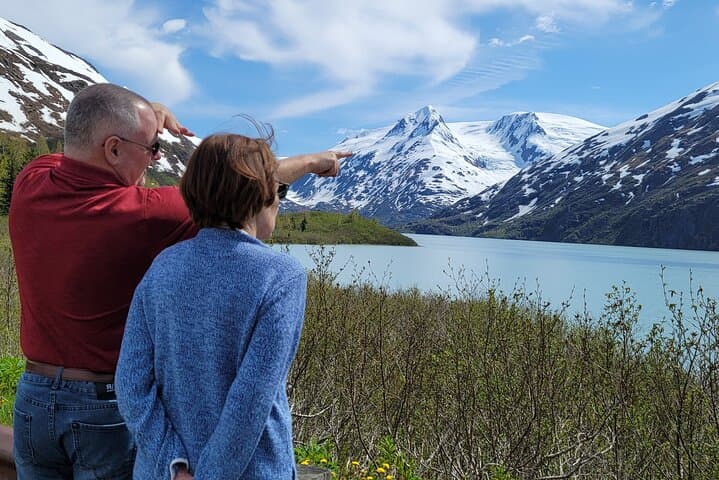
South of Anchorage, the road threads a silver edge between the Chugach Mountains and the constant breath of Turnagain Arm. The tide hustles in, shouldering breakers toward the mudflats, while Dall sheep test the cliffs above. On this flexible, guide-led day tour, you chase clear skies and wildlife sign, letting the weather set the pace. One hour you’re glassing bald eagles at Bird Point; the next you’re watching ice carve its language into a blue lake beneath Portage Glacier.
Verified experiences and guided adventures in the surrounding area.
Operated by PicTours Alaska, Inc. · Anchorage, Alaska
South of Anchorage, the road threads a silver edge between the Chugach Mountains and the constant breath of Turnagain Arm. The tide hustles in, shouldering breakers toward the mudflats, while Dall sheep test the cliffs above. On this flexible, guide-led day tour, you chase clear skies and wildlife sign, letting the weather set the pace. One hour you’re glassing bald eagles at Bird Point; the next you’re watching ice carve its language into a blue lake beneath Portage Glacier.
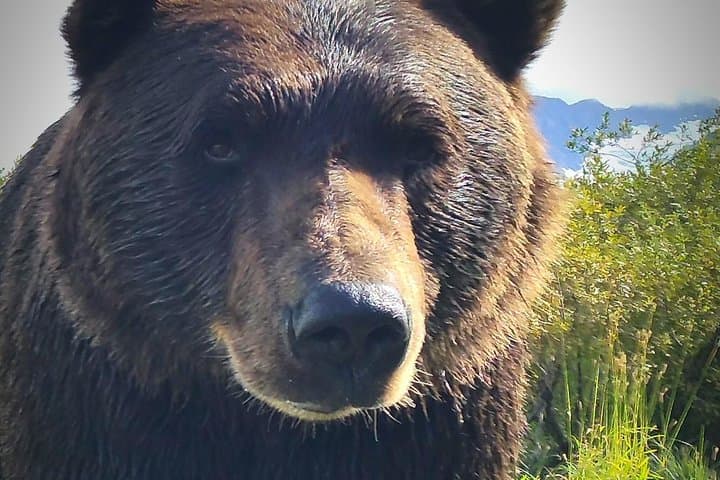
Unlike a fixed-route bus trip, this experience adjusts—guides read wind, light, and animal movement. You’ll likely stop at the Alaska Wildlife Conservation Center, a sanctuary with boardwalk views of brown bears, wood bison, musk ox, and wolves. It’s a place that tells Alaska’s current story as much as its past: animals orphaned or injured find care here, and visitors learn why habitat matters.
Geology is loud in this valley. Long ago, ice dug into the Chugach and left U-shaped walls polished by time. The 1964 Good Friday earthquake dropped shorelines and jostled railbeds; interpretive signs along the highway explain how the land still flexes. Captain James Cook turned around here—twice—hence the arm’s name. The railroad you’ll glimpse at points stitched towns together before highways did, carrying freight and dreamers to the frontier.
Come summer (May 15–Sept 15; 11 a.m. departures), you can add the mv Ptarmigan cruise on Portage Lake. Midday light makes the glacier’s blue stand up, and the boat noses close enough to hear the ice breathe, then crack. On land, a short, flat walk toward Byron Glacier trades open water for the hush of rock, snow patches, and a cold draft that rolls off the ice as if it’s teasing your jacket choice.
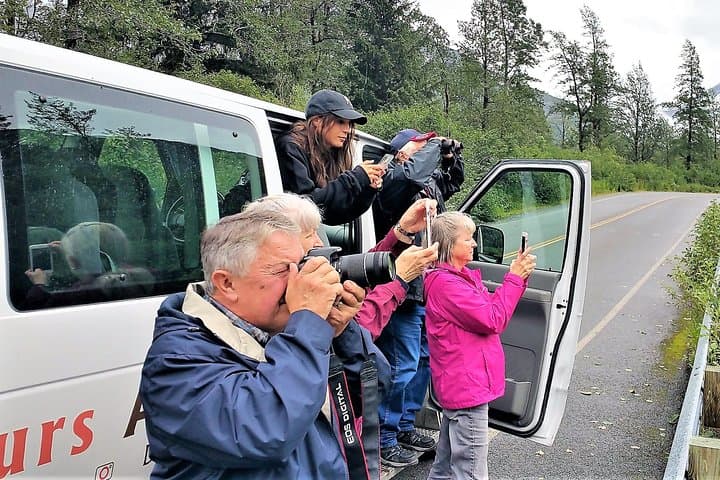
Expect a relaxed but full six hours: frequent pullouts, short walks on gravel or boardwalk, and plenty of viewpoints where the Arm dares you to stare longer. Pack layers; wind rules this corridor. Footing can be damp near lakes and streams. Facilities are spaced out, and cell service fades in the valleys—another reason your guide’s local knowledge keeps the day smooth.
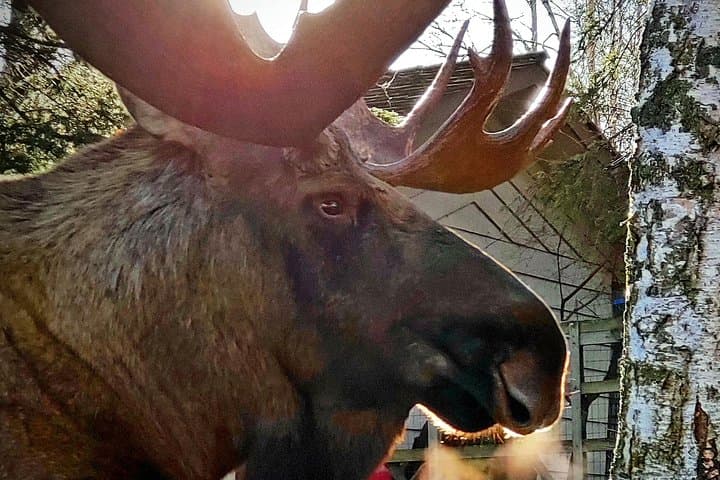
Winter trips trade blue meltwater for alpenglow, low sun, and the chance to spot moose ghosting the edges of spruce. Spring brings migrating birds and restless bears at the sanctuary; fall paints the tundra copper. Any season, the route rewards patience: scan the water for belugas on a strong incoming tide, watch the mountain goats shrug off gravity, and let the Arm’s tide—never still—pull the day forward.
easy.
6 hours.
Comfortable with short, mostly flat walks on gravel or boardwalk and standing for photos at pullouts.
The mv Ptarmigan cruise is an optional summer add-on available on 11 a.m. departures from roughly May 15 to Sept 15. It is not included in the base tour price.
Expect several short, mostly flat walks on gravel or boardwalk, typically under one mile total across the day, with frequent scenic stops.
Wild sightings are never guaranteed, but Turnagain Arm often produces eagles, Dall sheep, and occasional beluga whales. The Alaska Wildlife Conservation Center stop ensures close viewing of native species in spacious habitats.
Dress in layers with a windproof shell, sturdy waterproof footwear, and a warm layer. Weather can swing from sunny to gusty along the Arm.
Restrooms are available at select stops such as the Alaska Wildlife Conservation Center and Portage facilities, but they’re spaced out—go when you can.
From spring through fall, meet at the Dena’ina Convention Center in downtown Anchorage. Winter hotel pickups may be available for major hotels; confirm when booking.
Turnagain Arm was named by Captain James Cook after tidal frustrations during his 1778 expedition; the 1964 earthquake reshaped shorelines and infrastructure seen along the route.
The Alaska Wildlife Conservation Center rehabilitates and provides permanent homes for injured or orphaned animals. Stay on boardwalks, give wildlife space, and pack out all trash to protect fragile coastal habitats.
PicTours Alaska, Inc. operates guided outdoor trips and adventures with an emphasis on safety, stewardship, and memorable experiences.
South of Anchorage, the road threads a silver edge between the Chugach Mountains and the constant breath of Turnagain Arm. The tide hustles in, shouldering breakers toward the mudflats, while Dall sheep test the cliffs above. On this flexible, guide-led day tour, you chase clear skies and wildlife sign, letting the weather set the pace. One hour you’re glassing bald eagles at Bird Point; the next you’re watching ice carve its language into a blue lake beneath Portage Glacier.
South of Anchorage, the road threads a silver edge between the Chugach Mountains and the constant breath of Turnagain Arm. The tide hustles in, shouldering breakers toward the mudflats, while Dall sheep test the cliffs above. On this flexible, guide-led day tour, you chase clear skies and wildlife sign, letting the weather set the pace. One hour you’re glassing bald eagles at Bird Point; the next you’re watching ice carve its language into a blue lake beneath Portage Glacier.
Unlike a fixed-route bus trip, this experience adjusts—guides read wind, light, and animal movement. You’ll likely stop at the Alaska Wildlife Conservation Center, a sanctuary with boardwalk views of brown bears, wood bison, musk ox, and wolves. It’s a place that tells Alaska’s current story as much as its past: animals orphaned or injured find care here, and visitors learn why habitat matters.
Geology is loud in this valley. Long ago, ice dug into the Chugach and left U-shaped walls polished by time. The 1964 Good Friday earthquake dropped shorelines and jostled railbeds; interpretive signs along the highway explain how the land still flexes. Captain James Cook turned around here—twice—hence the arm’s name. The railroad you’ll glimpse at points stitched towns together before highways did, carrying freight and dreamers to the frontier.
Come summer (May 15–Sept 15; 11 a.m. departures), you can add the mv Ptarmigan cruise on Portage Lake. Midday light makes the glacier’s blue stand up, and the boat noses close enough to hear the ice breathe, then crack. On land, a short, flat walk toward Byron Glacier trades open water for the hush of rock, snow patches, and a cold draft that rolls off the ice as if it’s teasing your jacket choice.
Expect a relaxed but full six hours: frequent pullouts, short walks on gravel or boardwalk, and plenty of viewpoints where the Arm dares you to stare longer. Pack layers; wind rules this corridor. Footing can be damp near lakes and streams. Facilities are spaced out, and cell service fades in the valleys—another reason your guide’s local knowledge keeps the day smooth.
Winter trips trade blue meltwater for alpenglow, low sun, and the chance to spot moose ghosting the edges of spruce. Spring brings migrating birds and restless bears at the sanctuary; fall paints the tundra copper. Any season, the route rewards patience: scan the water for belugas on a strong incoming tide, watch the mountain goats shrug off gravity, and let the Arm’s tide—never still—pull the day forward.