THE ADVENTURE COLLECTIVE® · Independent discovery and booking for outdoor travel

Drive from Nairobi into Amboseli’s wide savanna where elephant herds roam and Mount Kilimanjaro looms on the skyline. This day safari pairs efficient game drives with local insight—ideal if you want maximum wildlife viewing and panoramic mountain photography in a single day.
Drive from Nairobi into Amboseli’s wide savanna where elephant herds roam and Mount Kilimanjaro looms on the skyline. This day safari pairs efficient game drives with local insight—ideal if you want maximum wildlife viewing and panoramic mountain photography in a single day.
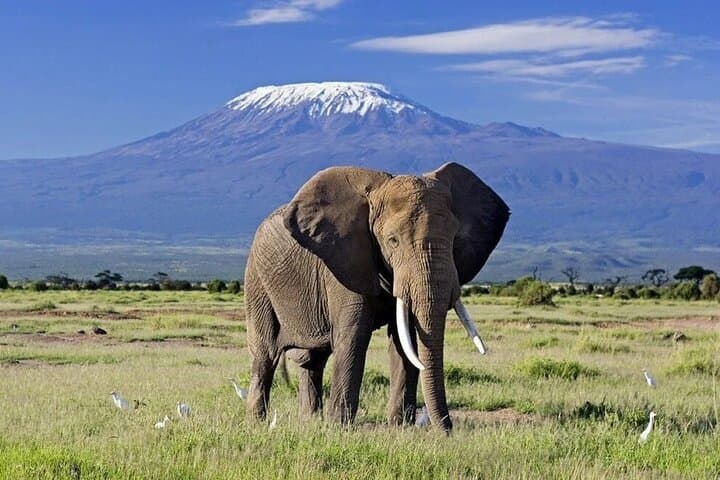
You step out of the land cruiser onto a hard, sun-baked track and the air seems to tilt toward a distant white peak. Mount Kilimanjaro’s slow silhouette dominates the horizon — a cold, volcanic shoulder hovering over a warm, amber plain — while a family of elephants moves like a slow tide through a salt pan below. The first hour in Amboseli National Park is one of those travel moments that feels both immediate and enormous: dust on your shoes, the hum of the engine behind you, and the plain itself daring you to take it all in.
Verified experiences and guided adventures in the surrounding area.
Operated by Demic Tours Africa · Amboseli, Nairobi County
You step out of the land cruiser onto a hard, sun-baked track and the air seems to tilt toward a distant white peak. Mount Kilimanjaro’s slow silhouette dominates the horizon — a cold, volcanic shoulder hovering over a warm, amber plain — while a family of elephants moves like a slow tide through a salt pan below. The first hour in Amboseli National Park is one of those travel moments that feels both immediate and enormous: dust on your shoes, the hum of the engine behind you, and the plain itself daring you to take it all in.
Amboseli sits at roughly 1,150 meters above sea level on the Kenya–Tanzania border. Geologically, it’s a basin carved by volcanic activity, seasonal flooding, and centuries of erosion; Kilimanjaro’s glaciers and rains feed the wetlands that punctuate the park. Historically, the area has long been Maasai grazing land; today community conservancies and the national park system try to balance pastoral life with wildlife protection. The park, formally gazetted in the 1970s, is best known for its large, habituated elephant herds and sweeping, unobstructed views of Kibo’s snow-capped peak.
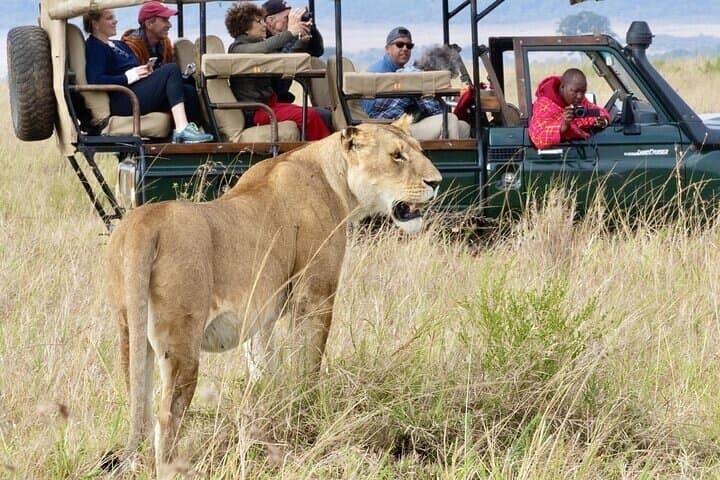
The day tour is a practical, vehicle-based game drive designed to maximize wildlife sightings in a short window: expect multiple stops at swamps and waterholes where elephants bathe, giraffes browse the acacia, and predators patrol the longer grass. Birdlife is prolific; marshes host herons, pelicans, and kingfishers that flash like small, moving jewels. Guides here read the landscape the way sailors read wind: they watch spoor, promise, and the thin steam-lines of Kilimanjaro to position you for the best light and sightings.
Practicalities matter: the drive from Nairobi is roughly 4–5 hours each way (about 240 km), and most operators bundle park entry, bottled water, and a professional driver-guide into the price. Roads inside Amboseli vary from compacted earth to deep ruts — travel with a reputable operator and expect a bumpy ride. Bring sun protection, layered clothing for cool mornings by the mountain, and a camera with a good zoom; a 200–400mm lens is ideal for game shots from the vehicle.
Timing is everything. Early mornings and late afternoons are when elephants move and the light sculpts Kilimanjaro. If you’re travelling with photos in mind, ask your guide to position the vehicle with the mountain as your backdrop — the angle changes fast as the sun moves. Respect park rules, keep windows up near predators, and support local guides and conservancy initiatives to ensure Amboseli’s plains remain as generous to wildlife as they are to visitors.
On a well-run day tour you’ll leave with sand in your shoes, a memory of an elephant’s slow confidence, and a mountain that seems to watch you go — quiet, immovable, and strangely companionable.
easy.
8 hours.
Minimal fitness required — able to tolerate several hours in a vehicle and short walks on uneven ground.
Yes — this day tour’s itinerary notes that admission for the main game-drive portion is included; confirm when booking for any updated fees.
Expect about 4–5 hours each way (roughly 240 km) depending on traffic and road conditions; many tours include hotel pickup.
Kilimanjaro is visible on clear days; early morning and late afternoon usually offer the clearest views before clouds build over the peak.
No guarantee — wildlife is wild — but experienced guides and timed stops at swamps and waterholes greatly increase the chances of seeing elephants, giraffes, and predators.
Infants are allowed but must sit on an adult’s lap as per tour policy; discuss specific child needs with the operator on booking.
Neutral-coloured clothing, closed-toe shoes for short walks, sun protection, a reusable water bottle, and motion-sickness remedies if you’re prone to road sickness.
Amboseli has long been Maasai grazing land and was formalized as a protected area in the 20th century; its modern conservation model works closely with local communities.
Community conservancies and anti-poaching units are active here; visitors support conservation by choosing reputable operators who contribute to local initiatives.
Demic Tours Africa operates guided outdoor trips and adventures with an emphasis on safety, stewardship, and memorable experiences.
You step out of the land cruiser onto a hard, sun-baked track and the air seems to tilt toward a distant white peak. Mount Kilimanjaro’s slow silhouette dominates the horizon — a cold, volcanic shoulder hovering over a warm, amber plain — while a family of elephants moves like a slow tide through a salt pan below. The first hour in Amboseli National Park is one of those travel moments that feels both immediate and enormous: dust on your shoes, the hum of the engine behind you, and the plain itself daring you to take it all in.
You step out of the land cruiser onto a hard, sun-baked track and the air seems to tilt toward a distant white peak. Mount Kilimanjaro’s slow silhouette dominates the horizon — a cold, volcanic shoulder hovering over a warm, amber plain — while a family of elephants moves like a slow tide through a salt pan below. The first hour in Amboseli National Park is one of those travel moments that feels both immediate and enormous: dust on your shoes, the hum of the engine behind you, and the plain itself daring you to take it all in.
Amboseli sits at roughly 1,150 meters above sea level on the Kenya–Tanzania border. Geologically, it’s a basin carved by volcanic activity, seasonal flooding, and centuries of erosion; Kilimanjaro’s glaciers and rains feed the wetlands that punctuate the park. Historically, the area has long been Maasai grazing land; today community conservancies and the national park system try to balance pastoral life with wildlife protection. The park, formally gazetted in the 1970s, is best known for its large, habituated elephant herds and sweeping, unobstructed views of Kibo’s snow-capped peak.
The day tour is a practical, vehicle-based game drive designed to maximize wildlife sightings in a short window: expect multiple stops at swamps and waterholes where elephants bathe, giraffes browse the acacia, and predators patrol the longer grass. Birdlife is prolific; marshes host herons, pelicans, and kingfishers that flash like small, moving jewels. Guides here read the landscape the way sailors read wind: they watch spoor, promise, and the thin steam-lines of Kilimanjaro to position you for the best light and sightings.
Practicalities matter: the drive from Nairobi is roughly 4–5 hours each way (about 240 km), and most operators bundle park entry, bottled water, and a professional driver-guide into the price. Roads inside Amboseli vary from compacted earth to deep ruts — travel with a reputable operator and expect a bumpy ride. Bring sun protection, layered clothing for cool mornings by the mountain, and a camera with a good zoom; a 200–400mm lens is ideal for game shots from the vehicle.
Timing is everything. Early mornings and late afternoons are when elephants move and the light sculpts Kilimanjaro. If you’re travelling with photos in mind, ask your guide to position the vehicle with the mountain as your backdrop — the angle changes fast as the sun moves. Respect park rules, keep windows up near predators, and support local guides and conservancy initiatives to ensure Amboseli’s plains remain as generous to wildlife as they are to visitors.
On a well-run day tour you’ll leave with sand in your shoes, a memory of an elephant’s slow confidence, and a mountain that seems to watch you go — quiet, immovable, and strangely companionable.