THE ADVENTURE COLLECTIVE® · Independent discovery and booking for outdoor travel

A compact, two-day safari that pairs close-up elephant encounters with some of the best views of Mount Kilimanjaro. This intimate Amboseli trip balances early-morning game drives with comfortable lodge nights and expert guiding.
A compact, two-day safari that pairs close-up elephant encounters with some of the best views of Mount Kilimanjaro. This intimate Amboseli trip balances early-morning game drives with comfortable lodge nights and expert guiding.
At first light the plains breathe: low cloud skims the horizon and the skeleton of Mount Kilimanjaro—white crown catching the sun—seems to hang over a sea of tawny grass. A Land Cruiser eases along a dusty track, and a matriarch elephant steps out of the swamp, trunk raised, assessing the new arrivals. That is the opening scene of a two-day push from Nairobi into Amboseli National Park, a compact, hard-working reserve where large herds, patient predators and one of Africa’s most famous backdrops make every moment travel-worthy.
Verified experiences and guided adventures in the surrounding area.
Operated by Flexivel Kenya Safaris · Amboseli National Park, Kajiado County
At first light the plains breathe: low cloud skims the horizon and the skeleton of Mount Kilimanjaro—white crown catching the sun—seems to hang over a sea of tawny grass. A Land Cruiser eases along a dusty track, and a matriarch elephant steps out of the swamp, trunk raised, assessing the new arrivals. That is the opening scene of a two-day push from Nairobi into Amboseli National Park, a compact, hard-working reserve where large herds, patient predators and one of Africa’s most famous backdrops make every moment travel-worthy.
Amboseli sits at the foot of Kilimanjaro and was designated a national park in 1974. Geologically the park is shaped by volcanic sediments and the mountain’s ancient rains: underground springs sustain marshes that attract grazers year-round. The Maasai, pastoralists of the region, have lived here for generations; their bright shukas and low, deliberate laughter are as much a part of the landscape as the kopjes and floodplains.
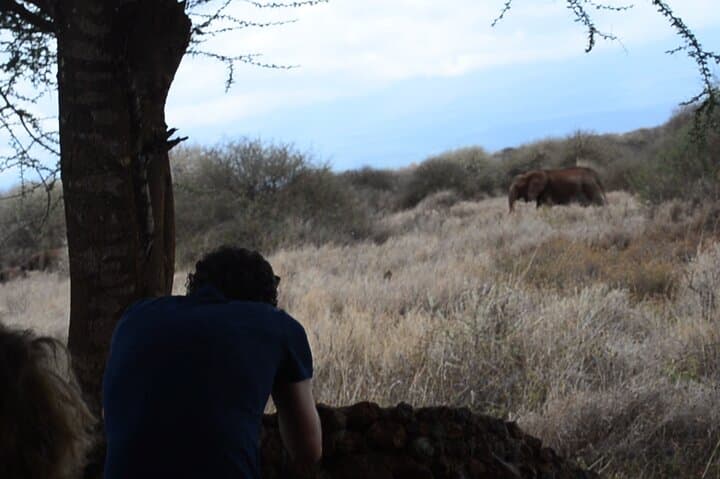
Wildlife is the priority: vast elephant families move between the swamp and the open plains, lions patrol dawn edges, and cheetahs glide along grassy lanes. Birdlife piles into the wetlands; look for hamerkop and African jacana. The park’s layout—compact but ecologically varied—makes it ideal for short, intense safari windows. Early mornings and late afternoons are when the mountain clears and the light sculpts the land, which is why guides time drives for sunrise and the golden hour.
The tour’s logistics are straightforward: expect roughly 250 km and about four hours of driving from Nairobi each way; the scheduled itinerary includes two full days of guided game drives and an overnight at lodges such as Oltukai or AA Amboseli Lodge. Pickup from Nairobi is arranged early (0730hrs) and the operator provides meals and bottled water as part of the package.
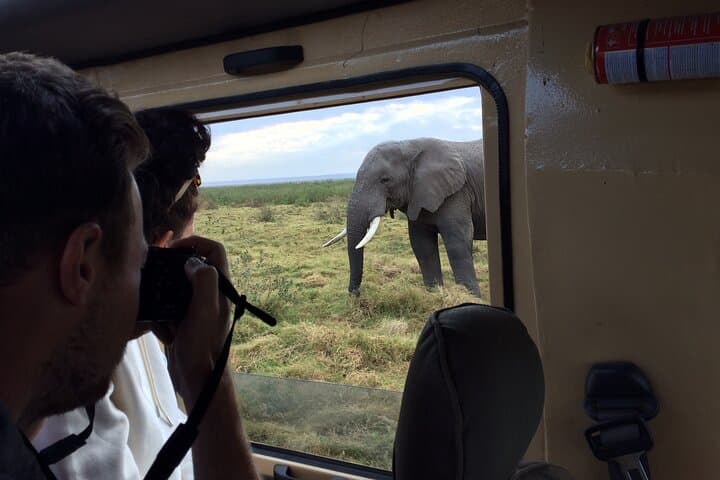
Practical notes: dress in layers—mornings can be cool and the midday sun intense. Binoculars and a telephoto lens make the most of close wildlife encounters; a good dust cover for gear helps on bumpy roads. Respect distance guidelines and follow your guide’s instructions—Amboseli’s wildlife is habituated to vehicles but not to people on foot.
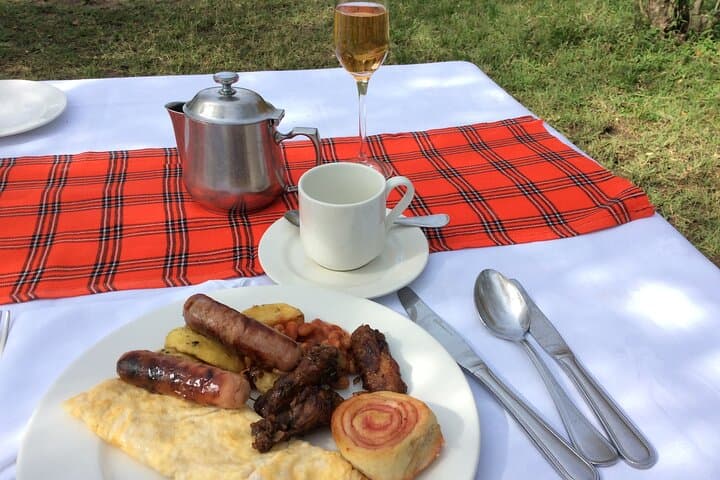
For travelers short on time, this two-day loop delivers concentrated safari value: long looks at elephant society, a real chance to photograph Kilimanjaro framed by acacia, and evenings at tidy lodges where local dishes and wildlife tales close the day. With a knowledgeable guide the experience is equal parts natural history and logistical ease—an accessible safari that still feels like an expedition.
easy.
2 days.
Suitable for travelers in average fitness; activities are vehicle-based with short walks at lodges.
The road distance is about 250 km and the transfer typically takes around four hours each way depending on traffic and road conditions.
Kilimanjaro is usually clearest in the early morning (roughly 6–10am) and late afternoon to early evening (about 5–7pm); cloud cover can change visibility quickly.
This tour lists meals (breakfast, lunch, dinner) and bottled water included; confirm park entry and conservation fees at booking as operators vary policies.
The operator notes accessibility options and that the tour is suitable for varying fitness levels; confirm specifics for wheelchairs and child seating when booking.
Consult a travel clinic—malaria is present in parts of Kenya, so many travelers choose prophylaxis and routine vaccinations before travel.
Tipping guides and lodge staff is customary—plan a modest tip per person per day for guides and a smaller amount for housekeeping and drivers.
Amboseli was officially designated a national park in 1974; the Maasai people have grazed cattle in the area for generations and remain an active cultural presence.
Community conservancies and park management work together to limit human–wildlife conflict; travelers can support local guides and responsible lodges that reinvest in conservation.
Flexivel Kenya Safaris operates guided outdoor trips and adventures with an emphasis on safety, stewardship, and memorable experiences.
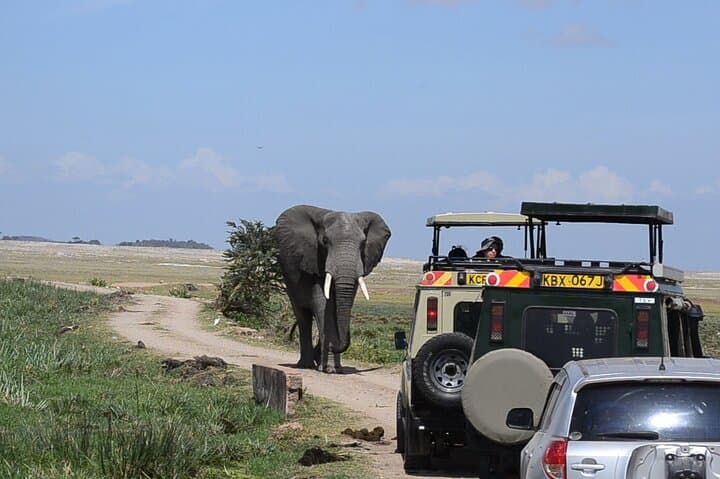
At first light the plains breathe: low cloud skims the horizon and the skeleton of Mount Kilimanjaro—white crown catching the sun—seems to hang over a sea of tawny grass. A Land Cruiser eases along a dusty track, and a matriarch elephant steps out of the swamp, trunk raised, assessing the new arrivals. That is the opening scene of a two-day push from Nairobi into Amboseli National Park, a compact, hard-working reserve where large herds, patient predators and one of Africa’s most famous backdrops make every moment travel-worthy.
At first light the plains breathe: low cloud skims the horizon and the skeleton of Mount Kilimanjaro—white crown catching the sun—seems to hang over a sea of tawny grass. A Land Cruiser eases along a dusty track, and a matriarch elephant steps out of the swamp, trunk raised, assessing the new arrivals. That is the opening scene of a two-day push from Nairobi into Amboseli National Park, a compact, hard-working reserve where large herds, patient predators and one of Africa’s most famous backdrops make every moment travel-worthy.
Amboseli sits at the foot of Kilimanjaro and was designated a national park in 1974. Geologically the park is shaped by volcanic sediments and the mountain’s ancient rains: underground springs sustain marshes that attract grazers year-round. The Maasai, pastoralists of the region, have lived here for generations; their bright shukas and low, deliberate laughter are as much a part of the landscape as the kopjes and floodplains.
Wildlife is the priority: vast elephant families move between the swamp and the open plains, lions patrol dawn edges, and cheetahs glide along grassy lanes. Birdlife piles into the wetlands; look for hamerkop and African jacana. The park’s layout—compact but ecologically varied—makes it ideal for short, intense safari windows. Early mornings and late afternoons are when the mountain clears and the light sculpts the land, which is why guides time drives for sunrise and the golden hour.
The tour’s logistics are straightforward: expect roughly 250 km and about four hours of driving from Nairobi each way; the scheduled itinerary includes two full days of guided game drives and an overnight at lodges such as Oltukai or AA Amboseli Lodge. Pickup from Nairobi is arranged early (0730hrs) and the operator provides meals and bottled water as part of the package.
Practical notes: dress in layers—mornings can be cool and the midday sun intense. Binoculars and a telephoto lens make the most of close wildlife encounters; a good dust cover for gear helps on bumpy roads. Respect distance guidelines and follow your guide’s instructions—Amboseli’s wildlife is habituated to vehicles but not to people on foot.
For travelers short on time, this two-day loop delivers concentrated safari value: long looks at elephant society, a real chance to photograph Kilimanjaro framed by acacia, and evenings at tidy lodges where local dishes and wildlife tales close the day. With a knowledgeable guide the experience is equal parts natural history and logistical ease—an accessible safari that still feels like an expedition.