THE ADVENTURE COLLECTIVE® · Independent discovery and booking for outdoor travel

Spend a long afternoon discovering Rastoke’s riverside mills and Plitvice Lakes’ turquoise cascades on a small-group tour from Zagreb. Arrive after midday for softer light, fewer crowds, and focused time on the park’s boardwalks and viewpoints.
Spend a long afternoon discovering Rastoke’s riverside mills and Plitvice Lakes’ turquoise cascades on a small-group tour from Zagreb. Arrive after midday for softer light, fewer crowds, and focused time on the park’s boardwalks and viewpoints.
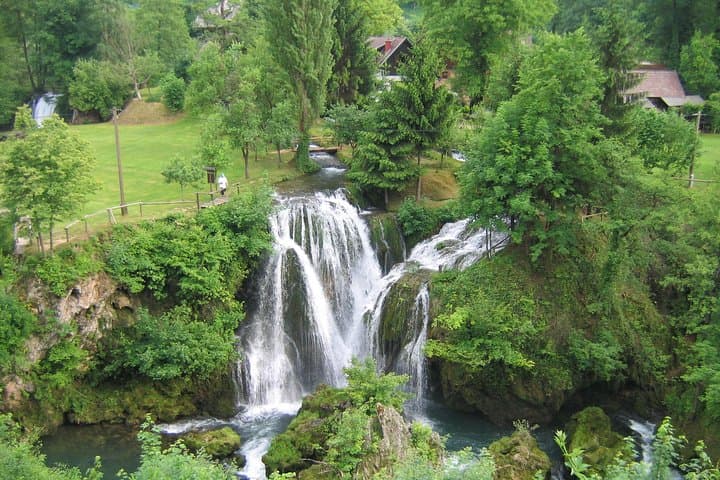
You step off the air-conditioned van into a hum of water—rivers threading through wooden houses, small mills turning with polite insistence. The first stop, Rastoke, feels like a village that grew from a watercolor: moss-dark stones, shingled roofs, and waterfalls that chatter as if telling local stories. After a leisurely lunch in a riverside konoba, the road opens and the world shifts again; Plitvice’s forests close around you, the damp air smelling of pine and limestone.
Verified experiences and guided adventures in the surrounding area.
Operated by Budget Transfer Croatia · Plitvička Jezera, Lika-Senj County
You step off the air-conditioned van into a hum of water—rivers threading through wooden houses, small mills turning with polite insistence. The first stop, Rastoke, feels like a village that grew from a watercolor: moss-dark stones, shingled roofs, and waterfalls that chatter as if telling local stories. After a leisurely lunch in a riverside konoba, the road opens and the world shifts again; Plitvice’s forests close around you, the damp air smelling of pine and limestone.
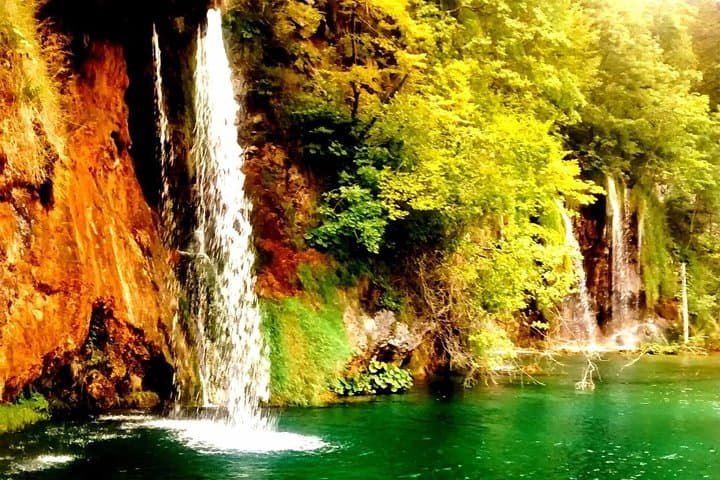
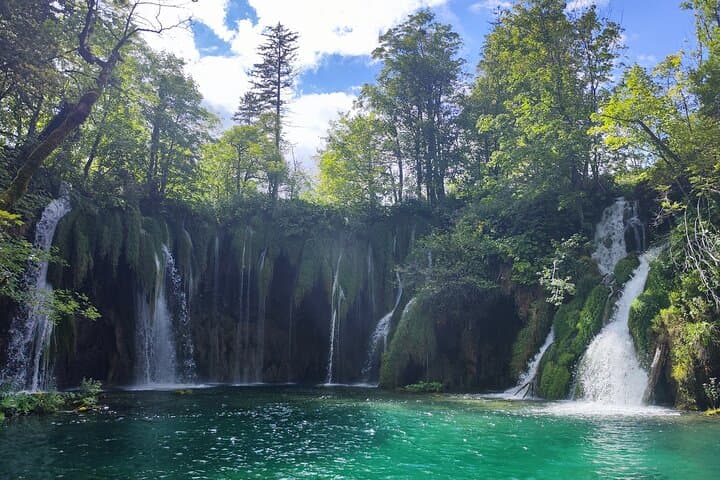
Plitvice Lakes National Park is more than a postcard. Formed over millennia as travertine dams—limestone built up by mineral-rich water—the park’s sixteen terraced lakes are connected by a choreography of cascades and wooden boardwalks. This afternoon tour times the visit for when the light softens and day-trippers thin out, making room for quieter moments: a wide green pool reflecting a broken cliff, felt silence punctuated by the rush of water daring you closer.
The region’s human history is compact but layered. Rastoke grew around mills fed by the Korana River and has long been a place where people read the landscape for resources; Plitvice, declared Croatia’s first national park in 1949 and a UNESCO site since 1979, became a symbol of conservation after war-era turmoil. The result is a place where geology dictates culture—where communities learned to live with the water rather than against it.
On the trail, the park’s paths guide you over wooden bridges and switchback along terraces. The afternoon itinerary covers key viewpoints and gives two hours of walking time inside the park—enough to sample its character without attempting the full-day loop. Expect mixed terrain: compact dirt, stone stairs, and narrow boardwalks that hug the water’s edge. The forest here has agency; be ready for sudden showers that sweep through like an opinionated guest.
Practicalities matter: the tour begins at midday in Zagreb and returns around 8 p.m., making it an efficient day out of the city. Wear comfortable, water-resistant footwear and bring a light rain shell—paths can be slippery and weather changes fast. Park entry fee isn’t included; book your admission in advance during high season to avoid lines. The small-group format (max eight) gives you space to move and time with the guide to learn about the park’s ecology and cultural context.
If you want reflection without the crowd, the afternoon visit is the right choice. You’ll come away with images of turquoise water, mill wheels turning like slow metronomes, and a clearer sense of how limestone, water, and human craft have shaped this corner of Croatia.
moderate.
6–8 hours (including transfers).
Moderate fitness for 2–3 hours of standing and walking on uneven terrain
No—park admission is not included; you should purchase tickets separately, especially in summer when slots sell out.
The tour allocates roughly two hours of walking time within the park, enough to visit main cascades and boardwalks but not the entire loop.
Lunch in Rastoke is at your own cost; guides can recommend local konobas and popular dishes like trout or štrukli.
The tour is family-friendly but requires moderate mobility; older travelers should be comfortable with uneven terrain and stairs.
Narrow boardwalks and steps make strollers impractical; a baby carrier is a better option for infants.
The tour operates in all weather conditions; dress appropriately. The operator may cancel for safety if necessary, with refund terms outlined in the booking policy.
Rastoke developed historically as a milling settlement where the Korana’s waterfalls powered grain and sawmills; Plitvice became Croatia’s first national park in 1949 and a UNESCO site in 1979.
Plitvice uses controlled visitor access and boardwalks to limit erosion; stay on marked trails and avoid swimming to protect fragile travertine formations.
Budget Transfer Croatia operates guided outdoor trips and adventures with an emphasis on safety, stewardship, and memorable experiences.
You step off the air-conditioned van into a hum of water—rivers threading through wooden houses, small mills turning with polite insistence. The first stop, Rastoke, feels like a village that grew from a watercolor: moss-dark stones, shingled roofs, and waterfalls that chatter as if telling local stories. After a leisurely lunch in a riverside konoba, the road opens and the world shifts again; Plitvice’s forests close around you, the damp air smelling of pine and limestone.
You step off the air-conditioned van into a hum of water—rivers threading through wooden houses, small mills turning with polite insistence. The first stop, Rastoke, feels like a village that grew from a watercolor: moss-dark stones, shingled roofs, and waterfalls that chatter as if telling local stories. After a leisurely lunch in a riverside konoba, the road opens and the world shifts again; Plitvice’s forests close around you, the damp air smelling of pine and limestone.
Plitvice Lakes National Park is more than a postcard. Formed over millennia as travertine dams—limestone built up by mineral-rich water—the park’s sixteen terraced lakes are connected by a choreography of cascades and wooden boardwalks. This afternoon tour times the visit for when the light softens and day-trippers thin out, making room for quieter moments: a wide green pool reflecting a broken cliff, felt silence punctuated by the rush of water daring you closer.
The region’s human history is compact but layered. Rastoke grew around mills fed by the Korana River and has long been a place where people read the landscape for resources; Plitvice, declared Croatia’s first national park in 1949 and a UNESCO site since 1979, became a symbol of conservation after war-era turmoil. The result is a place where geology dictates culture—where communities learned to live with the water rather than against it.
On the trail, the park’s paths guide you over wooden bridges and switchback along terraces. The afternoon itinerary covers key viewpoints and gives two hours of walking time inside the park—enough to sample its character without attempting the full-day loop. Expect mixed terrain: compact dirt, stone stairs, and narrow boardwalks that hug the water’s edge. The forest here has agency; be ready for sudden showers that sweep through like an opinionated guest.
Practicalities matter: the tour begins at midday in Zagreb and returns around 8 p.m., making it an efficient day out of the city. Wear comfortable, water-resistant footwear and bring a light rain shell—paths can be slippery and weather changes fast. Park entry fee isn’t included; book your admission in advance during high season to avoid lines. The small-group format (max eight) gives you space to move and time with the guide to learn about the park’s ecology and cultural context.
If you want reflection without the crowd, the afternoon visit is the right choice. You’ll come away with images of turquoise water, mill wheels turning like slow metronomes, and a clearer sense of how limestone, water, and human craft have shaped this corner of Croatia.