
After-Dark in the French Quarter: New Orleans Haunted History Ghost Tour
Walk the French Quarter after dark with a licensed local guide and hear the documented hauntings, grisly histories, and personal encounters that make New Orleans feel a little stranger at night. This two-hour theatrical walking tour pairs researched history with vivid storytelling.
An Adventure In New Orleans.
Walk the French Quarter after dark with a licensed local guide and hear the documented hauntings, grisly histories, and personal encounters that make New Orleans feel a little stranger at night. This two-hour theatrical walking tour pairs researched history with vivid storytelling.
Read the full experience
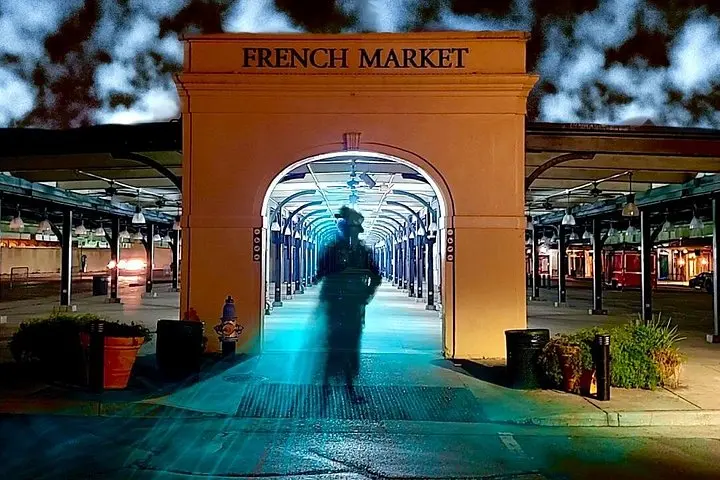
The streetlamps along St. Peter throw long, tobacco-colored halos and the French Quarter exhales a slow, humid breath as night settles. A small crowd gathers outside Reverend Zombie’s Voodoo Shop; the guide’s voice slides into the hush, theatrical but clipped, and the city’s brick and ironwork seem to lean in. For the next two hours the Quarter itself becomes a character—its narrow alleys, shuttered balconies and looming mansions offering stagecraft for stories of voodoo, duels, piracy and the kind of domestic horrors that don’t require special effects.
The streetlamps along St. Peter throw long, tobacco-colored halos and the French Quarter exhales a slow, humid breath as night settles. A small crowd gathers outside Reverend Zombie’s Voodoo Shop; the guide’s voice slides into the hush, theatrical but clipped, and the city’s brick and ironwork seem to lean in. For the next two hours the Quarter itself becomes a character—its narrow alleys, shuttered balconies and looming mansions offering stagecraft for stories of voodoo, duels, piracy and the kind of domestic horrors that don’t require special effects.
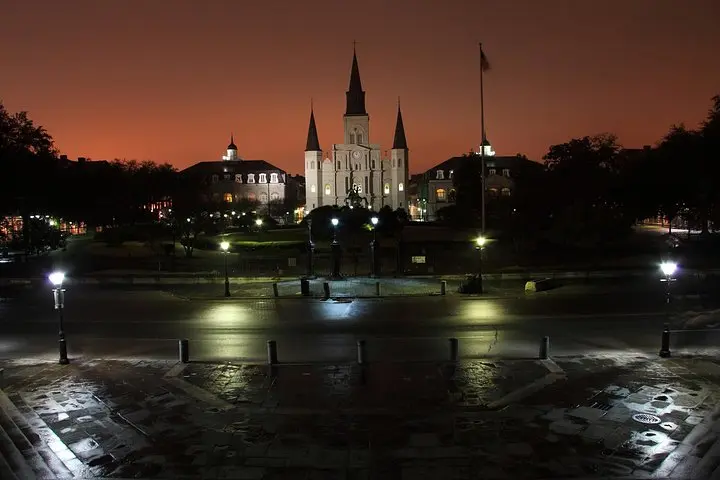
New Orleans’ Vieux Carré is more than a backdrop. Founded by the French in 1718 and reshaped by Spanish rule and Creole culture, the Quarter’s layered history shows in its architecture and in the tales people pass along. The tour crosses Bourbon Street’s neon after-dark persona and slips into quieter lanes: Pirate’s Alley, where rum and rumor mixed for two centuries; the façade of the LaLaurie Mansion, whose grisly 19th-century revelations still chill local memory; and Jackson Square, which takes on a different mood when the music fades and shadows lengthen.
Geology and urban engineering play a role in the mood. The city sits on Mississippi River alluvium and reclaimed swamp; buildings creak as they settle, and low-lying streets can carry an echo like a room. That physical vulnerability feeds stories—houses that groan, cellars that flood, foundations that sway—and gives a tangible backdrop to the supernatural reports.
Culturally, the tour touches on voodoo’s misunderstood practices and the city’s creolized past, but it’s also theater: guides are licensed locals who blend historical research with personal encounters. That mix—documented incident plus first-person anecdote—creates the uncanny energy that keeps visitors leaning forward.
Practical notes: the walk is two hours, mostly on cobblestone and uneven sidewalks; comfortable closed-toe shoes and a light rain shell are smart choices. Check in at least 20 minutes before the scheduled departure at 725 St. Peter St. The company is wheelchair-accessible in principle, but portions of the route have uneven pavement and tight passages—call ahead if accessibility is a concern. Photography is fine but expect dim light; bring a camera with good low-light performance or use long-exposure settings and a steady hand. The tour runs year-round; summer evenings bring heat and mosquitoes, fall and spring are milder, and winter nights can be crisp and quieter.
For history lovers and curious skeptics alike, the Haunted History Ghost Tour is less about jump scares and more about wading into the city’s inconvenient past—its violence, its myths, and the way those stories still tug at New Orleans’ streets after dark.
Frequently asked questions
Meet at 725 St. Peter St. in the French Quarter—check in at least 20 minutes before departure.
Stories include grisly historical events; while physically easy, parental discretion is advised for young children.
The company lists wheelchair accessibility, but street surfaces and narrow passages can be challenging—call ahead to confirm accommodations.
Yes—photography is allowed, but light is limited; use a camera that performs well in low light or a steady phone with long-exposure settings.
Tours may be canceled for severe weather; check your confirmation and the company’s cancellation policy for refunds if you cancel 24+ hours ahead.
No—guides typically rely on tips; plan to tip if you enjoyed the experience.
About This Experience
Haunted History Tours operates guided outdoor trips and adventures with an emphasis on safety, stewardship, and memorable experiences.
Adventure tips
Recommended gear
- Comfortable walking shoes: Protects against cobblestones, curbs and wet sidewalks.
- Light rain shell: Sudden summer storms are common; a packable shell keeps you dry without overheating.
- Phone or camera with low-light capability: Allows long-exposure or high-ISO shots of dimly lit streets and historic facades.
- Photo ID & small cash: Needed for check-in and tip jars or small purchases during or after the tour.
Photos of the experience
Related adventures & guides
Read the full experience
The streetlamps along St. Peter throw long, tobacco-colored halos and the French Quarter exhales a slow, humid breath as night settles. A small crowd gathers outside Reverend Zombie’s Voodoo Shop; the guide’s voice slides into the hush, theatrical but clipped, and the city’s brick and ironwork seem to lean in. For the next two hours the Quarter itself becomes a character—its narrow alleys, shuttered balconies and looming mansions offering stagecraft for stories of voodoo, duels, piracy and the kind of domestic horrors that don’t require special effects.
The streetlamps along St. Peter throw long, tobacco-colored halos and the French Quarter exhales a slow, humid breath as night settles. A small crowd gathers outside Reverend Zombie’s Voodoo Shop; the guide’s voice slides into the hush, theatrical but clipped, and the city’s brick and ironwork seem to lean in. For the next two hours the Quarter itself becomes a character—its narrow alleys, shuttered balconies and looming mansions offering stagecraft for stories of voodoo, duels, piracy and the kind of domestic horrors that don’t require special effects.
New Orleans’ Vieux Carré is more than a backdrop. Founded by the French in 1718 and reshaped by Spanish rule and Creole culture, the Quarter’s layered history shows in its architecture and in the tales people pass along. The tour crosses Bourbon Street’s neon after-dark persona and slips into quieter lanes: Pirate’s Alley, where rum and rumor mixed for two centuries; the façade of the LaLaurie Mansion, whose grisly 19th-century revelations still chill local memory; and Jackson Square, which takes on a different mood when the music fades and shadows lengthen.
Geology and urban engineering play a role in the mood. The city sits on Mississippi River alluvium and reclaimed swamp; buildings creak as they settle, and low-lying streets can carry an echo like a room. That physical vulnerability feeds stories—houses that groan, cellars that flood, foundations that sway—and gives a tangible backdrop to the supernatural reports.
Culturally, the tour touches on voodoo’s misunderstood practices and the city’s creolized past, but it’s also theater: guides are licensed locals who blend historical research with personal encounters. That mix—documented incident plus first-person anecdote—creates the uncanny energy that keeps visitors leaning forward.
Practical notes: the walk is two hours, mostly on cobblestone and uneven sidewalks; comfortable closed-toe shoes and a light rain shell are smart choices. Check in at least 20 minutes before the scheduled departure at 725 St. Peter St. The company is wheelchair-accessible in principle, but portions of the route have uneven pavement and tight passages—call ahead if accessibility is a concern. Photography is fine but expect dim light; bring a camera with good low-light performance or use long-exposure settings and a steady hand. The tour runs year-round; summer evenings bring heat and mosquitoes, fall and spring are milder, and winter nights can be crisp and quieter.
For history lovers and curious skeptics alike, the Haunted History Ghost Tour is less about jump scares and more about wading into the city’s inconvenient past—its violence, its myths, and the way those stories still tug at New Orleans’ streets after dark.
Make a day of it nearby.
Verified experiences and guided adventures in the surrounding area.