THE ADVENTURE COLLECTIVE® · Independent discovery and booking for outdoor travel

Give yourself time on Kilimanjaro’s Northern Circuit: nine days of gradual altitude gain, varied terrain from rainforest to alpine desert, and a midnight summit push to reach Uhuru Peak. This small-group, guided route emphasizes acclimatization and a high success rate for first-time trekkers.
Give yourself time on Kilimanjaro’s Northern Circuit: nine days of gradual altitude gain, varied terrain from rainforest to alpine desert, and a midnight summit push to reach Uhuru Peak. This small-group, guided route emphasizes acclimatization and a high success rate for first-time trekkers.
The first light in Arusha is a dry, pulsing thing; by the time the van pulls up to Londorossi Gate the rainforest is already warming. You shoulder your pack beneath a canopy of giant trees and begin the climb where the trail threads through moss and filigreed vines. For nine days the mountain directs the pace — the forest presses close in the lowlands, the Shira Plateau opens like a high-altitude plain of volcanic stone, and then the air thins until even breath seems deliberate.
Verified experiences and guided adventures in the surrounding area.
Operated by Climb Kili · Arusha, Arusha Region
The first light in Arusha is a dry, pulsing thing; by the time the van pulls up to Londorossi Gate the rainforest is already warming. You shoulder your pack beneath a canopy of giant trees and begin the climb where the trail threads through moss and filigreed vines. For nine days the mountain directs the pace — the forest presses close in the lowlands, the Shira Plateau opens like a high-altitude plain of volcanic stone, and then the air thins until even breath seems deliberate.
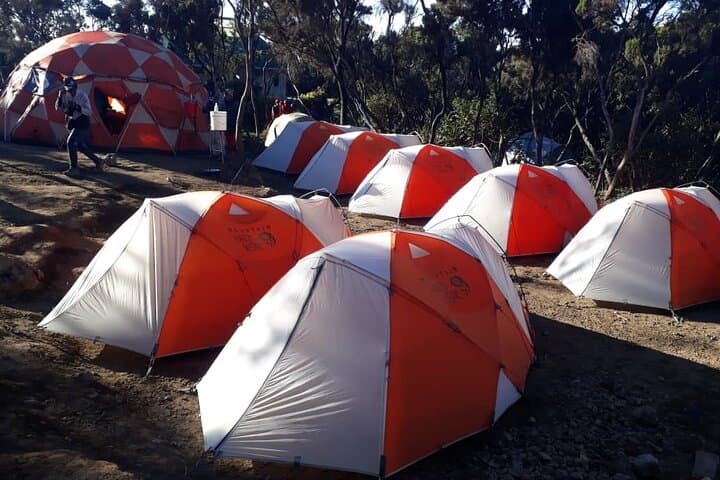
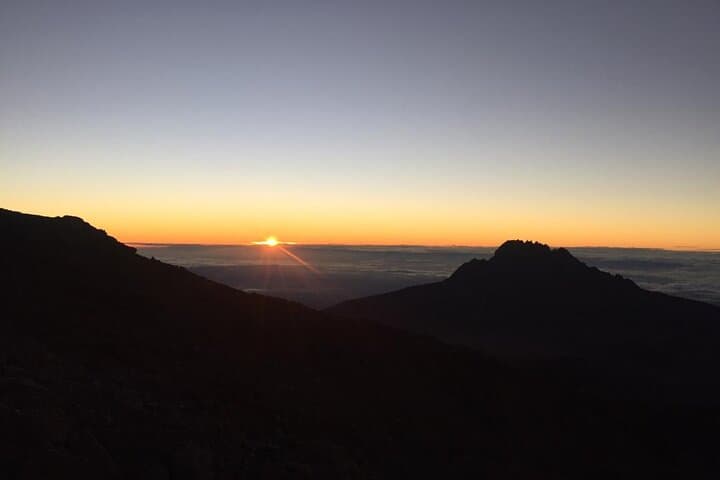
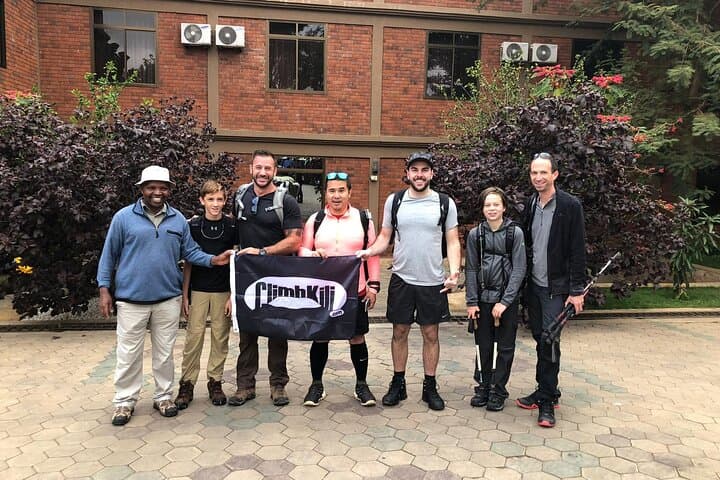
This Northern Circuit route gives you time. Starting at about 2,360 m at Londorossi and moving steadily toward Uhuru Peak at 5,895 m, the itinerary balances distance and acclimatization — daytime marches of 3–7 hours, a 12 km descent on the final day, and a summit push that typically starts around midnight for a sunrise at the crater. Camps are traditional expedition-style: tents set up each night with meals provided, and most nights you bed down under the company’s Climb Kili banner.
Geologically Kilimanjaro is an extinct stratovolcano with three cones; the trek traverses volcanic plateaus and eroded ridges where lichen clings to rock and giant lobelia punctuate the moorland. Culturally the mountain looms large for the Chagga people who farm the lower slopes; porters, guides, and cooks who work these routes are drawn from local communities and carry generations of practical mountain knowledge.
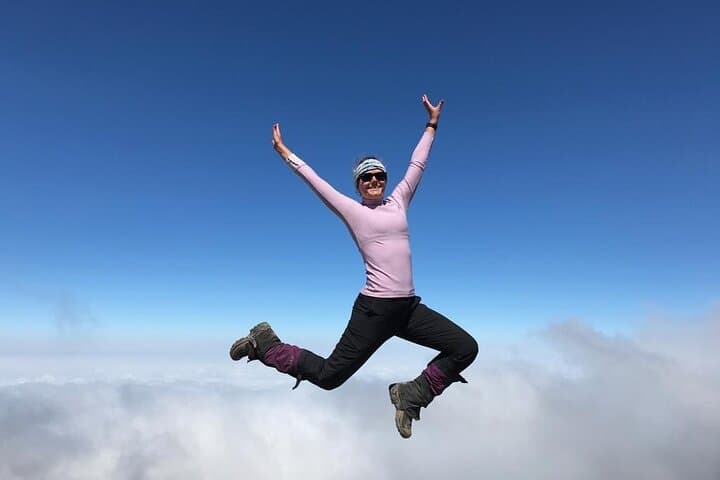
On the Northern Circuit you’ll notice how the landscape changes skin: montane forest, heath and moorland, alpine desert, and finally arctic rock and scree near the crater. Wildlife is discreet — you may hear colobus monkeys in the rainforest and glimpse antelope or distant elephants on the foothills — but the mountain’s main challenge is altitude, not animals.
Practical notes: expect daily elevation gains and losses (for example the Shira approach reaches ~3,505 m after about 8 km and 5–6 hours of hiking). Summit day is a long climb — roughly 6–8 hours to the top and another 6–8 hours to descend to Millennium Camp — so prioritize sleep and hydration the day before. The route is non-technical but physically demanding; poles help on scree and descents. Nights are cold: a proper down jacket, warm sleeping bag, and a reliable headlamp are non-negotiable.
Logistics: groups capped small, tented camps each night, meals included, and summit certificates issued at Mweka Gate on descent. Respect park rules: stay on trail, pack out non-biodegradable waste, and follow guides’ pacing for acclimatization. If you want the mountain to give you its best chance, move slowly, drink often, and treat the mountain with the quiet attention it requires.
challenging.
9 days.
Requires good cardiovascular fitness and endurance; train with long hikes carrying a 10–15 kg pack and include stair-climbing and interval sessions.
No technical climbing experience is required; the route is non-technical but demanding due to altitude and long days.
Dry months (January–March and June–October) offer firmer trails and clearer skies, though the Northern Circuit is used year-round.
Altitude sickness is possible for anyone; the itinerary’s extra acclimatization days reduce risk but monitor symptoms and communicate with guides immediately.
Yes—meals, tented camping, and basic communal gear are included per the itinerary; personal items like sleeping bags and liners may be required (check the operator’s equipment list).
Yes—operator collects from Summit Safari Lodge and most Arusha hotels; confirm your pickup point and flight details when booking.
Camps use portable toilet systems and pit facilities at designated huts; practice good hygiene and use biodegradable products.
Kilimanjaro has long cultural significance for the Chagga people and became a magnet for explorers in the 19th century; the mountain’s access routes reflect colonial and local trail networks.
Kilimanjaro National Park is a protected area—pay park fees, stay on established paths, and support local guides who practice sustainable trail use to minimize erosion and litter.
Climb Kili operates guided outdoor trips and adventures with an emphasis on safety, stewardship, and memorable experiences.
The first light in Arusha is a dry, pulsing thing; by the time the van pulls up to Londorossi Gate the rainforest is already warming. You shoulder your pack beneath a canopy of giant trees and begin the climb where the trail threads through moss and filigreed vines. For nine days the mountain directs the pace — the forest presses close in the lowlands, the Shira Plateau opens like a high-altitude plain of volcanic stone, and then the air thins until even breath seems deliberate.
The first light in Arusha is a dry, pulsing thing; by the time the van pulls up to Londorossi Gate the rainforest is already warming. You shoulder your pack beneath a canopy of giant trees and begin the climb where the trail threads through moss and filigreed vines. For nine days the mountain directs the pace — the forest presses close in the lowlands, the Shira Plateau opens like a high-altitude plain of volcanic stone, and then the air thins until even breath seems deliberate.
This Northern Circuit route gives you time. Starting at about 2,360 m at Londorossi and moving steadily toward Uhuru Peak at 5,895 m, the itinerary balances distance and acclimatization — daytime marches of 3–7 hours, a 12 km descent on the final day, and a summit push that typically starts around midnight for a sunrise at the crater. Camps are traditional expedition-style: tents set up each night with meals provided, and most nights you bed down under the company’s Climb Kili banner.
Geologically Kilimanjaro is an extinct stratovolcano with three cones; the trek traverses volcanic plateaus and eroded ridges where lichen clings to rock and giant lobelia punctuate the moorland. Culturally the mountain looms large for the Chagga people who farm the lower slopes; porters, guides, and cooks who work these routes are drawn from local communities and carry generations of practical mountain knowledge.
On the Northern Circuit you’ll notice how the landscape changes skin: montane forest, heath and moorland, alpine desert, and finally arctic rock and scree near the crater. Wildlife is discreet — you may hear colobus monkeys in the rainforest and glimpse antelope or distant elephants on the foothills — but the mountain’s main challenge is altitude, not animals.
Practical notes: expect daily elevation gains and losses (for example the Shira approach reaches ~3,505 m after about 8 km and 5–6 hours of hiking). Summit day is a long climb — roughly 6–8 hours to the top and another 6–8 hours to descend to Millennium Camp — so prioritize sleep and hydration the day before. The route is non-technical but physically demanding; poles help on scree and descents. Nights are cold: a proper down jacket, warm sleeping bag, and a reliable headlamp are non-negotiable.
Logistics: groups capped small, tented camps each night, meals included, and summit certificates issued at Mweka Gate on descent. Respect park rules: stay on trail, pack out non-biodegradable waste, and follow guides’ pacing for acclimatization. If you want the mountain to give you its best chance, move slowly, drink often, and treat the mountain with the quiet attention it requires.