THE ADVENTURE COLLECTIVE® · Independent discovery and booking for outdoor travel

A nine-day circuit through Namibia’s most striking landscapes—Etosha’s game-rich pans, the wind-carved dunes of Sossusvlei, the ghost town of Kolmanskop and the Fish River Canyon. Expect a mix of lodge comfort and desert camping, long drives, early mornings and unforgettable light.
A nine-day circuit through Namibia’s most striking landscapes—Etosha’s game-rich pans, the wind-carved dunes of Sossusvlei, the ghost town of Kolmanskop and the Fish River Canyon. Expect a mix of lodge comfort and desert camping, long drives, early mornings and unforgettable light.
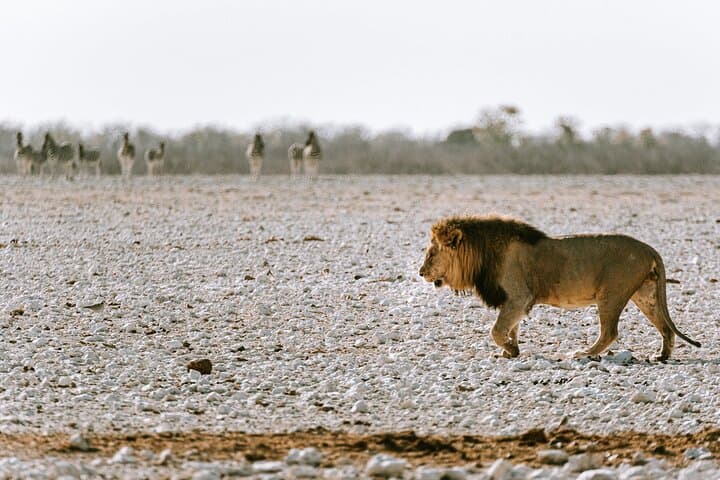
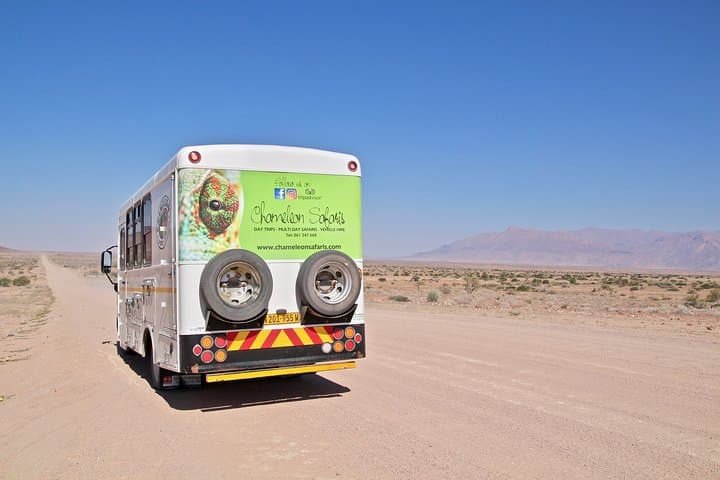
The first light in Namibia slides over a low-horizon road and the safari truck hums toward the scrub-lined skyline. Dust lifts like a soft curtain as the group leaves Windhoek behind; ahead are salt pans bright as mirrors, ridged red dunes, and the sudden, intimate hush of a floodlit waterhole in Etosha.
Verified experiences and guided adventures in the surrounding area.
Operated by Chameleon Safaris · Windhoek, Khomas
The first light in Namibia slides over a low-horizon road and the safari truck hums toward the scrub-lined skyline. Dust lifts like a soft curtain as the group leaves Windhoek behind; ahead are salt pans bright as mirrors, ridged red dunes, and the sudden, intimate hush of a floodlit waterhole in Etosha.
Over nine days this trip stitches together Namibia’s extremes: game drives in Etosha where elephants and springbok cluster at lifesaving springs; a Himba village visit that frames modern life against ancestral practice; the ocean-scrubbed streets of Swakopmund and the cold Atlantic breeze; then deep into the Namib where Dune 45 and Deadvlei rise like living sculptures of sand and sun-bleached tree bones.
Geology and human history are constant companions. The Fish River Canyon—carved by eons of erosion and faulting—unfolds like a layered map of time. Kolmanskop, the diamond-town ghost, keeps its early 20th-century decadence half-swallowed by dunes. Quiver Tree Forest, with specimens aged two to three centuries, stands as a botanical oddity adapted to heat, storing water and casting dramatic silhouettes at dusk.
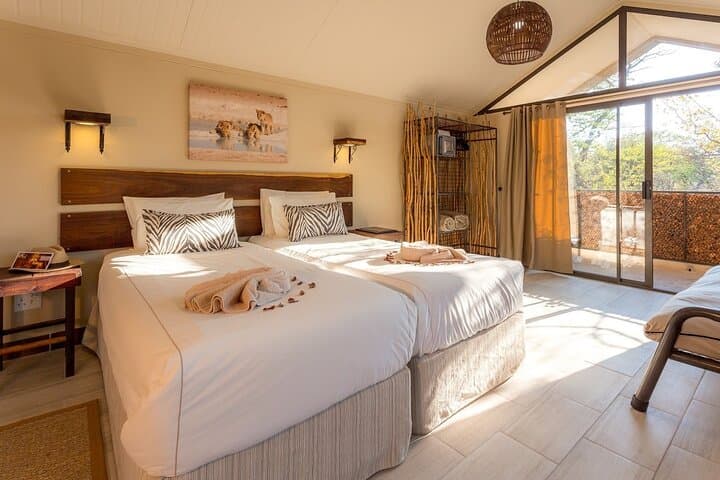
This is a mixed-format safari: three nights in lodges and five nights under canvas. Travel days are long—expect multiple stretches of 3–8 hours behind the wheel—and the vehicle’s pop-up roof changes game viewing into a communal, cinematic experience. Guides handle logistics, meals and camping setup; guests should bring a sleeping bag (camping kit excludes it) and a readiness to rise before dawn for dunes and game drives.
Practical edges: sun and dehydration are the tour’s real adversaries—daytime temperatures in the Namib can spike, while nights get sharp and cold in winter. Wear layered clothing, breathable fabrics and sturdy shoes for dune ascents and short hikes. Plan for early starts at Sossusvlei to catch cooler air and the most dramatic light; the same pre-dawn habit applies for photography in Dead Vlei.
Cultural encounters are small, deliberate: a one-hour Himba visit offers respectful observation and purchase opportunities—ask your guide about appropriate etiquette and photography. Conservation matters here; water is scarce, park rules are enforced, and low-impact practices keep fragile ecosystems intact.
For travelers seeking contrast—wildlife-rich pans, coastal wind, ghost towns and cathedral-like dunes—this nine-day circuit is efficient, varied and tactile. It asks for a moderate level of fitness, curiosity and a tolerance for long drives, and it returns panoramic reward: Namibia’s landscapes rearranged daily, each turn offering something that both surprises and grounds the traveler.
moderate.
9 days (approx. 9 days/8 nights, multiple long drive days).
Good general fitness for walking on sand, short hikes, and handling repeated early starts and long vehicle transfers.
No—camping equipment is provided except for sleeping bags. Bring a rated sleeping bag suited to cool desert nights.
Moderate—there are short hikes and dune ascents, plus several long driving days; basic fitness and mobility are recommended.
Yes—game drives include time at waterholes and the Etosha Pan; sightings are frequent but never guaranteed, as wildlife moves with season and water availability.
No—the itinerary advises against scheduling flights on the final day due to long road transfers back to Windhoek.
Conservative, respectful clothing is best. Ask your guide about photography etiquette and offer to buy locally made items if you wish to support the community.
Yes—tips for guides and camp staff are customary and appreciated; bring small denominations of local currency or USD.
Kolmanskop rose quickly during the early 20th-century diamond boom and was later abandoned, its grand interiors slowly overtaken by advancing sand. The Fish River Canyon records millions of years of geological uplift and erosion.
Water scarcity shapes travel practices—carry water, minimize waste and follow park rules. Supporting local communities and using guide services helps fund conservation and sustainable tourism.
Chameleon Safaris operates guided outdoor trips and adventures with an emphasis on safety, stewardship, and memorable experiences.

The first light in Namibia slides over a low-horizon road and the safari truck hums toward the scrub-lined skyline. Dust lifts like a soft curtain as the group leaves Windhoek behind; ahead are salt pans bright as mirrors, ridged red dunes, and the sudden, intimate hush of a floodlit waterhole in Etosha.
The first light in Namibia slides over a low-horizon road and the safari truck hums toward the scrub-lined skyline. Dust lifts like a soft curtain as the group leaves Windhoek behind; ahead are salt pans bright as mirrors, ridged red dunes, and the sudden, intimate hush of a floodlit waterhole in Etosha.
Over nine days this trip stitches together Namibia’s extremes: game drives in Etosha where elephants and springbok cluster at lifesaving springs; a Himba village visit that frames modern life against ancestral practice; the ocean-scrubbed streets of Swakopmund and the cold Atlantic breeze; then deep into the Namib where Dune 45 and Deadvlei rise like living sculptures of sand and sun-bleached tree bones.
Geology and human history are constant companions. The Fish River Canyon—carved by eons of erosion and faulting—unfolds like a layered map of time. Kolmanskop, the diamond-town ghost, keeps its early 20th-century decadence half-swallowed by dunes. Quiver Tree Forest, with specimens aged two to three centuries, stands as a botanical oddity adapted to heat, storing water and casting dramatic silhouettes at dusk.
This is a mixed-format safari: three nights in lodges and five nights under canvas. Travel days are long—expect multiple stretches of 3–8 hours behind the wheel—and the vehicle’s pop-up roof changes game viewing into a communal, cinematic experience. Guides handle logistics, meals and camping setup; guests should bring a sleeping bag (camping kit excludes it) and a readiness to rise before dawn for dunes and game drives.
Practical edges: sun and dehydration are the tour’s real adversaries—daytime temperatures in the Namib can spike, while nights get sharp and cold in winter. Wear layered clothing, breathable fabrics and sturdy shoes for dune ascents and short hikes. Plan for early starts at Sossusvlei to catch cooler air and the most dramatic light; the same pre-dawn habit applies for photography in Dead Vlei.
Cultural encounters are small, deliberate: a one-hour Himba visit offers respectful observation and purchase opportunities—ask your guide about appropriate etiquette and photography. Conservation matters here; water is scarce, park rules are enforced, and low-impact practices keep fragile ecosystems intact.
For travelers seeking contrast—wildlife-rich pans, coastal wind, ghost towns and cathedral-like dunes—this nine-day circuit is efficient, varied and tactile. It asks for a moderate level of fitness, curiosity and a tolerance for long drives, and it returns panoramic reward: Namibia’s landscapes rearranged daily, each turn offering something that both surprises and grounds the traveler.