THE ADVENTURE COLLECTIVE® · Independent discovery and booking for outdoor travel

From rainforest to the ice-capped rim of Uhuru Peak, the Machame Route is a patient, acclimatizing climb that rewards steady pace and good planning. This 9-day itinerary from Moshi combines expert local crews, staged camps and the best summit window for reaching Kilimanjaro's roof.
From rainforest to the ice-capped rim of Uhuru Peak, the Machame Route is a patient, acclimatizing climb that rewards steady pace and good planning. This 9-day itinerary from Moshi combines expert local crews, staged camps and the best summit window for reaching Kilimanjaro's roof.
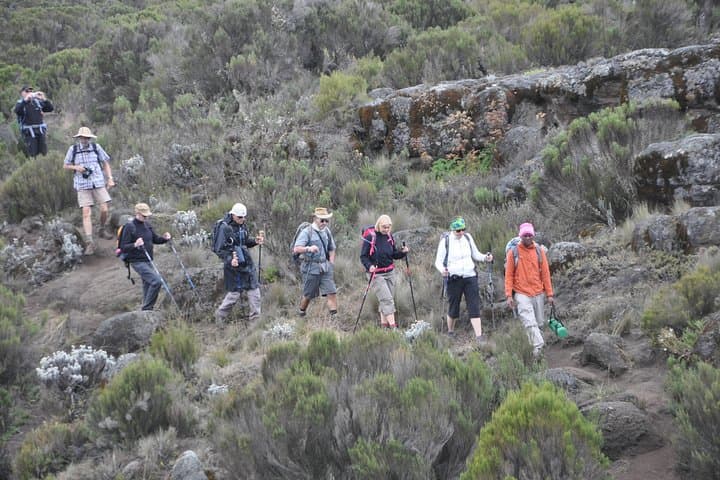
The morning light in Moshi slices across a coffee farm and pins Kilimanjaro’s white cap against a cobalt sky. At Stella Maris Lodge, guides check gear and porters load duffels; the mountain, patient and immense, watches the procession. By midday you leave the cultivated foothills and step into rainforest where the trail is a wet ribbon winding beneath giant ferns and moss-draped trees. The air is thick with the scent of wet earth and porters’ banter — the climb has begun.
Verified experiences and guided adventures in the surrounding area.
Operated by Landside Adventure · Moshi, Kilimanjaro Region
The morning light in Moshi slices across a coffee farm and pins Kilimanjaro’s white cap against a cobalt sky. At Stella Maris Lodge, guides check gear and porters load duffels; the mountain, patient and immense, watches the procession. By midday you leave the cultivated foothills and step into rainforest where the trail is a wet ribbon winding beneath giant ferns and moss-draped trees. The air is thick with the scent of wet earth and porters’ banter — the climb has begun.
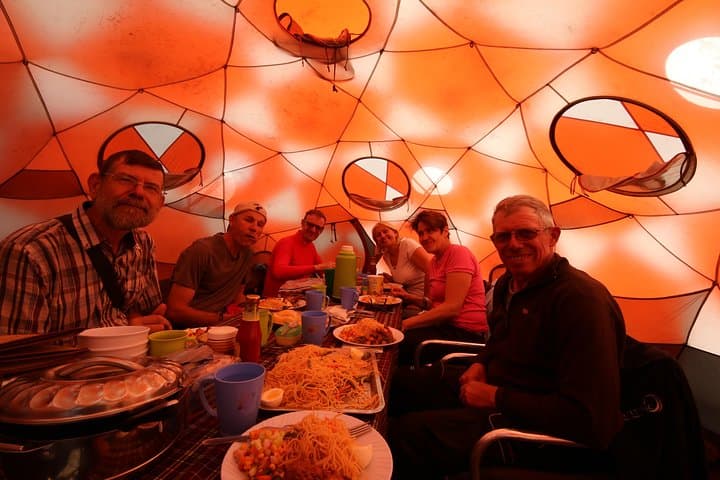
The Machame Route is a slow, considered ascent that trades technical difficulty for effective acclimatization. Geologically, Kilimanjaro is a dormant stratovolcano with three peaks — Kibo, Mawenzi and Shira — and the route moves hikers from lowland rainforest to heath and moorland, across the Shira Plateau, and into the stark alpine desert below Kibo. Culturally, the slopes sit on Chagga land; villages like Moshi are entry points where local climbing crews — guides, cooks and porters — form the backbone of the experience. Expect hearty stews at camp and a polite insistence on extra tea after dinner.
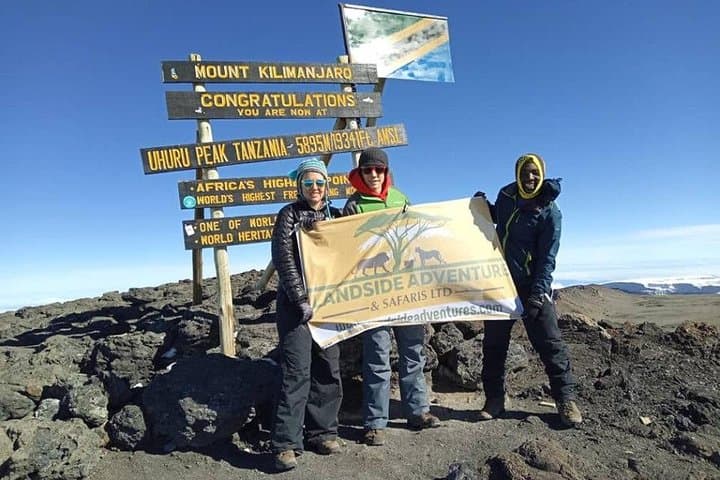
The route’s rhythm is deliberate: rainforest to Machame Camp, wide views on Shira, a key acclimatization swing up to Lava Tower, then the dramatic Barranco Wall and the high camp rotation around Barafu before the midnight push to Uhuru Peak (5,895 m). The summit itself is anticlimactic in its simplicity — rocky, wind-battered, and a sudden, electric clarity of sky and glacier — but the descent requires focus; tired knees and loose scree make accidents common.
Practical edge: altitude is the primary challenge, not technical climbing. Hydrate often (aim for 3–4 liters/day), eat well, and move slowly. Carry a small personal first-aid kit, blister care and Diamox only after medical consultation. Permits, park fees and a registered guide are mandatory; tipping porters is customary and essential to local livelihoods. Weather changes fast — the rainforest can be torrential while Barafu can be frigid and windy — so layer smartly.
Timing matters: the climb is best in the dry windows (roughly January–March and June–October) when summit chances rise. Fitness-wise, you don’t need mountaineering experience, but steady cardio, multi-day hiking training and a tolerance for long days make success likelier. Respect the mountain: walk soft, leave no trace, and listen to your guides. Reach the rim at summit dawn and the glacier will seem to have been waiting, indifferent to your achievement but somehow magnanimous in the view it grants.
challenging.
9 days.
Good cardiovascular endurance and multi-day hiking experience; able to carry a daypack for 6–12 hour days.
No technical skills or ropes are required; the route is a strenuous hike but not a technical climb.
Dry seasons (January–March and June–October) offer the most stable conditions and higher summit success rates.
This 9-day plan includes multiple acclimatization days and hikes (Lava Tower, Barafu rotations) to improve summit chances.
Altitude illness is possible; guides monitor symptoms, recommend rest, hydration and may use Diamox after medical advice; descent is the primary treatment if symptoms worsen.
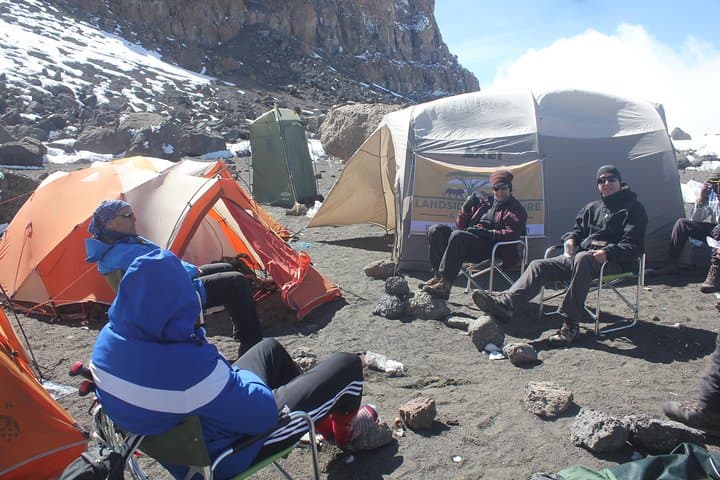
Tents, sleeping mattresses and group dining tents are provided by the operator; bring a warm sleeping bag rated for cold conditions.
You must carry a valid passport, climbing permits for Kilimanjaro National Park and provide flight details for pickup arrangements.
Kilimanjaro has long been part of Chagga cultural landscape and was first scientifically recorded by European explorers in the 19th century; its glaciers are remnants of a colder African past.
Kilimanjaro faces glacier retreat and trail erosion; stick to established paths, pack out waste, and support operators who follow park rules and fair porter practices.
Landside Adventure operates guided outdoor trips and adventures with an emphasis on safety, stewardship, and memorable experiences.
The morning light in Moshi slices across a coffee farm and pins Kilimanjaro’s white cap against a cobalt sky. At Stella Maris Lodge, guides check gear and porters load duffels; the mountain, patient and immense, watches the procession. By midday you leave the cultivated foothills and step into rainforest where the trail is a wet ribbon winding beneath giant ferns and moss-draped trees. The air is thick with the scent of wet earth and porters’ banter — the climb has begun.
The morning light in Moshi slices across a coffee farm and pins Kilimanjaro’s white cap against a cobalt sky. At Stella Maris Lodge, guides check gear and porters load duffels; the mountain, patient and immense, watches the procession. By midday you leave the cultivated foothills and step into rainforest where the trail is a wet ribbon winding beneath giant ferns and moss-draped trees. The air is thick with the scent of wet earth and porters’ banter — the climb has begun.
The Machame Route is a slow, considered ascent that trades technical difficulty for effective acclimatization. Geologically, Kilimanjaro is a dormant stratovolcano with three peaks — Kibo, Mawenzi and Shira — and the route moves hikers from lowland rainforest to heath and moorland, across the Shira Plateau, and into the stark alpine desert below Kibo. Culturally, the slopes sit on Chagga land; villages like Moshi are entry points where local climbing crews — guides, cooks and porters — form the backbone of the experience. Expect hearty stews at camp and a polite insistence on extra tea after dinner.
The route’s rhythm is deliberate: rainforest to Machame Camp, wide views on Shira, a key acclimatization swing up to Lava Tower, then the dramatic Barranco Wall and the high camp rotation around Barafu before the midnight push to Uhuru Peak (5,895 m). The summit itself is anticlimactic in its simplicity — rocky, wind-battered, and a sudden, electric clarity of sky and glacier — but the descent requires focus; tired knees and loose scree make accidents common.
Practical edge: altitude is the primary challenge, not technical climbing. Hydrate often (aim for 3–4 liters/day), eat well, and move slowly. Carry a small personal first-aid kit, blister care and Diamox only after medical consultation. Permits, park fees and a registered guide are mandatory; tipping porters is customary and essential to local livelihoods. Weather changes fast — the rainforest can be torrential while Barafu can be frigid and windy — so layer smartly.
Timing matters: the climb is best in the dry windows (roughly January–March and June–October) when summit chances rise. Fitness-wise, you don’t need mountaineering experience, but steady cardio, multi-day hiking training and a tolerance for long days make success likelier. Respect the mountain: walk soft, leave no trace, and listen to your guides. Reach the rim at summit dawn and the glacier will seem to have been waiting, indifferent to your achievement but somehow magnanimous in the view it grants.