THE ADVENTURE COLLECTIVE® · Independent discovery and booking for outdoor travel

A private nine-day circuit from Amman through Jerash, Madaba, Petra, Wadi Rum, and the Dead Sea that combines major archaeological sites with desert nights and seaside rest. Ideal for first-time visitors who want organized logistics with room to soak in Jordan’s deep history.
A private nine-day circuit from Amman through Jerash, Madaba, Petra, Wadi Rum, and the Dead Sea that combines major archaeological sites with desert nights and seaside rest. Ideal for first-time visitors who want organized logistics with room to soak in Jordan’s deep history.
You step out of Queen Alia International with the desert air already reshaping your expectations — salt on the breath of the Dead Sea, the tannic dust of Wadi Rum, and the cool stone shadow of Petra waiting days ahead. This nine-day private loop starts in Amman and moves like a measured narrative: Roman colonnades, Umayyad frescoes, mosaicked churches, then a patient descent through the rose-red fissures of Petra before the open, lunar planes of Wadi Rum and the buoyant quiet of the Dead Sea.
Verified experiences and guided adventures in the surrounding area.
Operated by Tour Experts · Amman, Amman Governorate
You step out of Queen Alia International with the desert air already reshaping your expectations — salt on the breath of the Dead Sea, the tannic dust of Wadi Rum, and the cool stone shadow of Petra waiting days ahead. This nine-day private loop starts in Amman and moves like a measured narrative: Roman colonnades, Umayyad frescoes, mosaicked churches, then a patient descent through the rose-red fissures of Petra before the open, lunar planes of Wadi Rum and the buoyant quiet of the Dead Sea.
History is the guide here. Amman’s Roman theater and the Citadel sit on layers of civilization from Ammonite hill-forts to Byzantine churches. Jerash preserves a Greco-Roman city plan so intact its cardo and oval plaza read like an architectural ledger. In the east, Qasr al-Azraq and Quseir Amra reveal the strategic and aesthetic ambitions of late antiquity and the Umayyads: water, defense, and frescoes that startled modern eyes with scenes of courtly life.
Geology shapes the journey. The limestone of northern Jordan rolls into the soft, wind-sculpted sandstone of Petra, where the Nabateans carved a capital into cliffs and controlled trade through clever water channels. Wadi Rum opens as a red-stained desert of granite and sandstone; its blocks and domes flex light through dusk and dawn, sounding almost like a living quarry. At the Dead Sea the landscape changes again: a mirrored basin where evaporation presses salts to the surface and the weightless water resists you, holding your back against the horizon.
Cultural notes: you will move between hotels and bedouin camps, sampling jordanian breakfasts and dinners included on most days. Local guides point out mosaic makers in Madaba, shepherd tracks in Ajloun, and Bedouin hospitality around a campfire in Wadi Rum — all reminders that modern Jordan is lived-in, not just viewed.
Practical guidance: plan for temperature swings — desert days can be hot, nights cool. Walking in Petra involves uneven stone and steps; comfortable, grippy footwear matters more than fashion. Hydration is non-negotiable — carry water daily even when transportation is private. For the Dead Sea, bring a plastic bag for electronics; the salt will claim them if unprotected.
Timing and logistics are straightforward: airport pickup is arranged, travel is private, and the itinerary spaces out key sites with hotel nights in Amman, Dead Sea, Petra, Wadi Rum, and Aqaba. Pace yourself: this tour layers big cultural sites with downtime at the sea and a night under the stars so the trip reads like a well-edited history rather than a sprint through monuments.
moderate.
9 days.
Requires basic to good mobility for walking on uneven ground, moderate stamina for multi-hour site visits
Yes — transport and the guide are private; itinerary adjustments can usually be made before booking or with the operator based on availability.
Visa requirements depend on nationality; many visitors can obtain a visa on arrival at Queen Alia Airport, but check current rules before travel.
Most sites require moderate walking; Petra and some castle sites include steps and uneven surfaces so allow for a slower pace if needed.
Most stays include time at the Dead Sea; floating is safe for short periods—avoid shaving beforehand and rinse off salt thoroughly after.
The tour notes wheelchair-accessible options and effort to accommodate needs, but some archaeological sites have limited access; confirm specifics when booking.
Operators usually try to match language preference when possible, but availability varies; confirm your preferred language at booking.
Jordan’s landscape records trade routes and empires: Nabateans carved Petra to control incense and spice roads, Romans left Jerash’s colonnades, and Umayyad mosaics in Madaba and Quseir Amra reveal early Islamic court culture.
Water scarcity and Dead Sea decline are active concerns; choose accommodations that practice water conservation and avoid taking salt or rocks from protected sites.
Tour Experts operates guided outdoor trips and adventures with an emphasis on safety, stewardship, and memorable experiences.
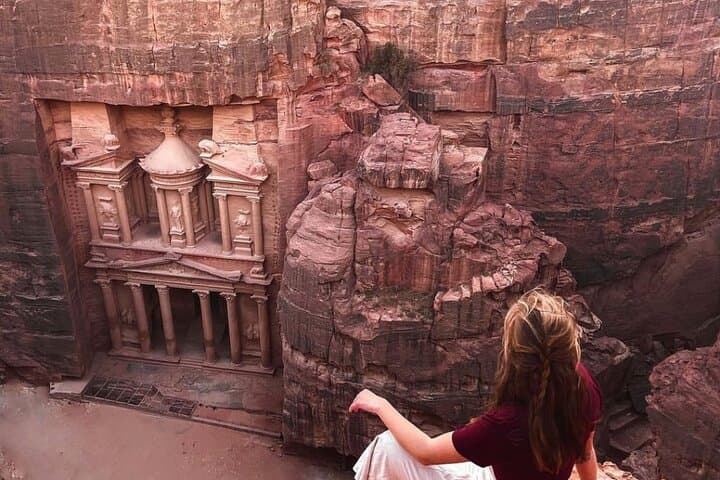
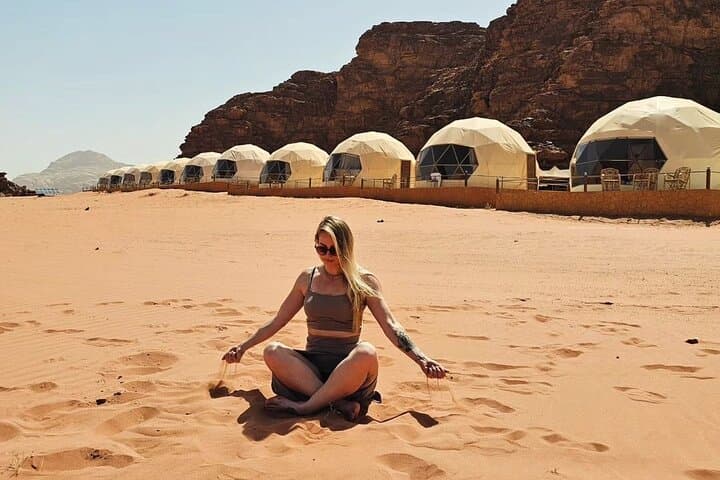
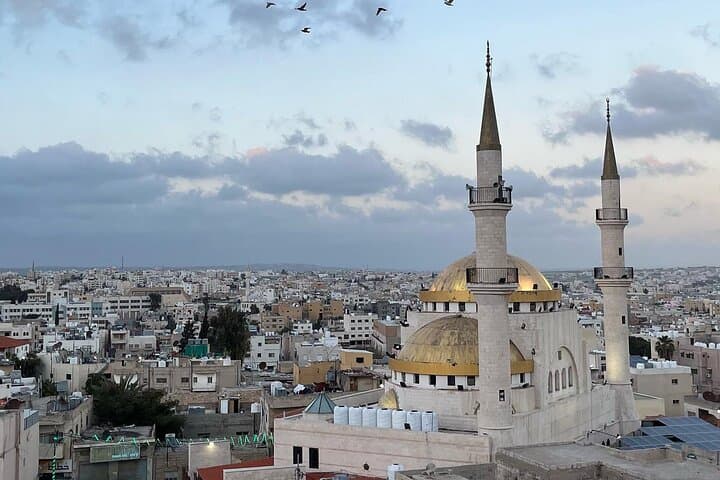

You step out of Queen Alia International with the desert air already reshaping your expectations — salt on the breath of the Dead Sea, the tannic dust of Wadi Rum, and the cool stone shadow of Petra waiting days ahead. This nine-day private loop starts in Amman and moves like a measured narrative: Roman colonnades, Umayyad frescoes, mosaicked churches, then a patient descent through the rose-red fissures of Petra before the open, lunar planes of Wadi Rum and the buoyant quiet of the Dead Sea.
You step out of Queen Alia International with the desert air already reshaping your expectations — salt on the breath of the Dead Sea, the tannic dust of Wadi Rum, and the cool stone shadow of Petra waiting days ahead. This nine-day private loop starts in Amman and moves like a measured narrative: Roman colonnades, Umayyad frescoes, mosaicked churches, then a patient descent through the rose-red fissures of Petra before the open, lunar planes of Wadi Rum and the buoyant quiet of the Dead Sea.
History is the guide here. Amman’s Roman theater and the Citadel sit on layers of civilization from Ammonite hill-forts to Byzantine churches. Jerash preserves a Greco-Roman city plan so intact its cardo and oval plaza read like an architectural ledger. In the east, Qasr al-Azraq and Quseir Amra reveal the strategic and aesthetic ambitions of late antiquity and the Umayyads: water, defense, and frescoes that startled modern eyes with scenes of courtly life.
Geology shapes the journey. The limestone of northern Jordan rolls into the soft, wind-sculpted sandstone of Petra, where the Nabateans carved a capital into cliffs and controlled trade through clever water channels. Wadi Rum opens as a red-stained desert of granite and sandstone; its blocks and domes flex light through dusk and dawn, sounding almost like a living quarry. At the Dead Sea the landscape changes again: a mirrored basin where evaporation presses salts to the surface and the weightless water resists you, holding your back against the horizon.
Cultural notes: you will move between hotels and bedouin camps, sampling jordanian breakfasts and dinners included on most days. Local guides point out mosaic makers in Madaba, shepherd tracks in Ajloun, and Bedouin hospitality around a campfire in Wadi Rum — all reminders that modern Jordan is lived-in, not just viewed.
Practical guidance: plan for temperature swings — desert days can be hot, nights cool. Walking in Petra involves uneven stone and steps; comfortable, grippy footwear matters more than fashion. Hydration is non-negotiable — carry water daily even when transportation is private. For the Dead Sea, bring a plastic bag for electronics; the salt will claim them if unprotected.
Timing and logistics are straightforward: airport pickup is arranged, travel is private, and the itinerary spaces out key sites with hotel nights in Amman, Dead Sea, Petra, Wadi Rum, and Aqaba. Pace yourself: this tour layers big cultural sites with downtime at the sea and a night under the stars so the trip reads like a well-edited history rather than a sprint through monuments.