THE ADVENTURE COLLECTIVE® · Independent discovery and booking for outdoor travel

In a brisk four-hour loop from Windermere, this small-group minivan tour visits eight of the Lake District’s most memorable lakes and viewpoints—Rydal Water, Grasmere, Thirlmere and more—pairing geological insight, local stories and frequent photo stops. Perfect for travelers who want a panoramic introduction without the hike.
In a brisk four-hour loop from Windermere, this small-group minivan tour visits eight of the Lake District’s most memorable lakes and viewpoints—Rydal Water, Grasmere, Thirlmere and more—pairing geological insight, local stories and frequent photo stops. Perfect for travelers who want a panoramic introduction without the hike.
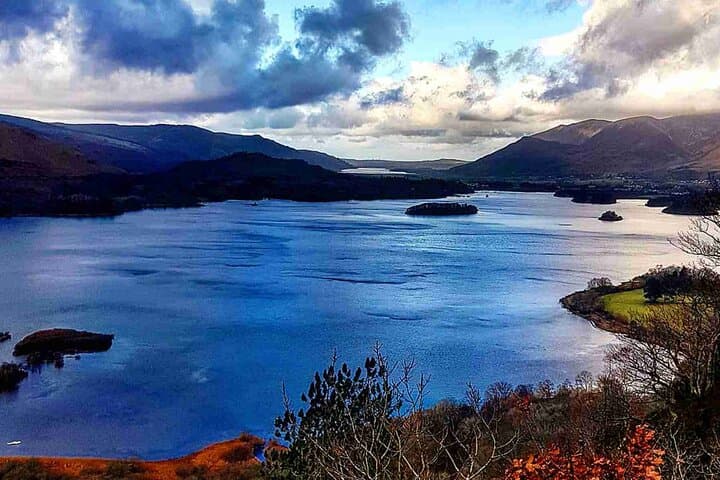
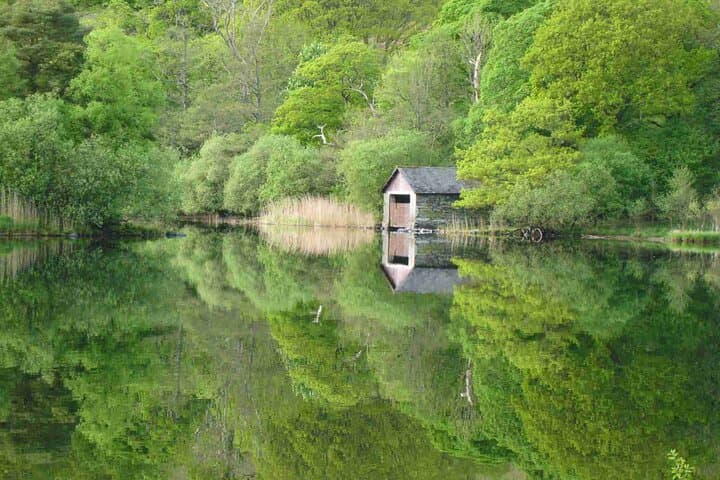
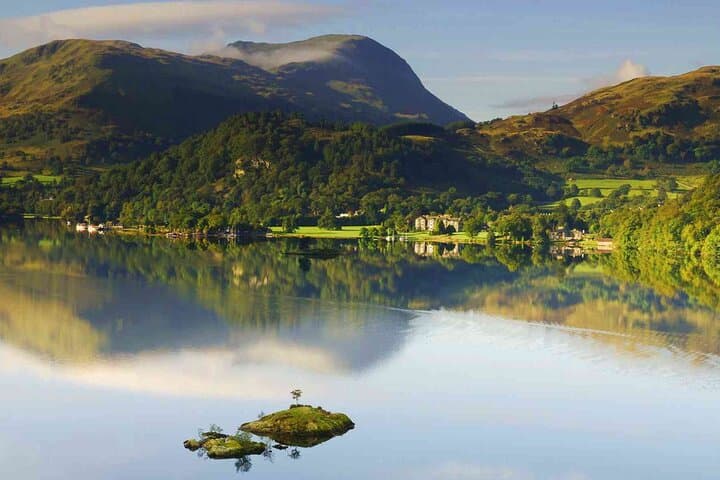
By dawn the minivan hums to life outside Windermere railway station and the hills begin to rearrange themselves as you roll west. Low cloud clings to the fells like a woolen cap; lakes puncture the valleys below, each mirror catching different light. In four hours the tour stitches together the Lake District’s most readable features—steep-sided tarns, glacially carved ridges, and tiny villages that still trade on story and craft.
Verified experiences and guided adventures in the surrounding area.
Operated by English Lakes Tours · Ambleside, Cumbria
By dawn the minivan hums to life outside Windermere railway station and the hills begin to rearrange themselves as you roll west. Low cloud clings to the fells like a woolen cap; lakes puncture the valleys below, each mirror catching different light. In four hours the tour stitches together the Lake District’s most readable features—steep-sided tarns, glacially carved ridges, and tiny villages that still trade on story and craft.
The run takes you past Rydal Water and Grasmere, where gingerbread has been sold since the early 19th century and Wordsworth’s footprints are still part of the local grammar. Thirlmere’s engineered shoreline tells a different story: a Victorian-era reservoir that reshaped landscape and controversy when Manchester's thirst reconfigured farms and valleys. From high vantage points—near Honister and the pass roads—you see the telltale U-shaped valleys the last ice age scoured, and the slate scars that built a regional identity.
Guides lend context on geology and folklore: the tale of a last King of Cumberland, grey stone circles that predate modern borders, and the industrial echoes of slate, sheep and mill towns. The compact group size—no more than seven—keeps commentary lively rather than canned; stops are frequent for photos, short walks and the odd biscuit from a famously small shop in Grasmere.
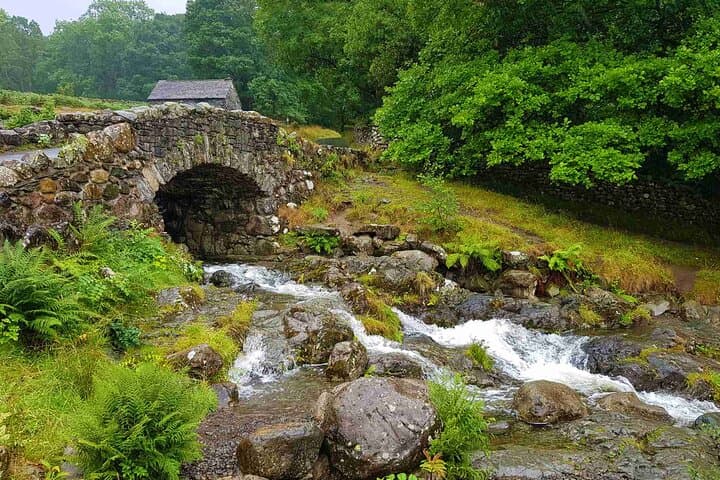
The rhythm of the morning is practical. You’ll hop out for 10–15 minute breathers at photogenic spots and a few slightly longer pauses for viewpoints, stone circles and a quick visit to a lakeside verge. Walking here is short and occasionally uphill over wet, uneven ground; the terrain won’t test mountaineers, but it rewards sensible footwear and a steady pace.
Bring a waterproof hood and layers: weather in the Lakes shifts with topography, not schedule. If you’re tempted to paddle, take it slow—the water takes the temperature of the glaciated valley and will push you back with a sting. The minivan is air-conditioned and offers charger ports, so you won’t lose a battery before the best light.
This morning tour is ideal for first-timers and those short on time who want a panoramic primer: history, geology and culture served with fresh air and frequent stops. For photographers, aim for the first hour or the last twenty minutes of the tour—the light is least flat then. For everyone else, come curious: the guides are ready with maps, stories and suggestions if you decide to stay on in the Lakes after the tour.
easy.
4 hours.
Suitable for most fitness levels; you should be able to manage short, gentle walks and steps.
The tour runs approximately 4 hours from the selected pickup point.
Pickups are from designated meeting points including Ambleside Library, Windermere Lake Cruises ticket office, and Windermere Railway Station—arrive 10 minutes early.
Walking is limited to short stops (10–15 minutes) on uneven or slightly uphill ground; sturdy shoes are recommended.
You may paddle briefly at your own risk during designated stops; water is cold and conditions can change quickly—no organized swimming is included.
No—there’s no food included, but guides schedule a stop where you can buy snacks such as the local gingerbread.
Children are welcome but must be at least 7 years old and have a purchased seat on the minivan.
The tour traces landscapes shaped by Pleistocene glaciers and Victorian-era engineering—Thirlmere was flooded to supply industrial Manchester, altering local communities in the 19th century.
The Lake District is a UNESCO World Heritage landscape; visitors are encouraged to stick to paths, pack out litter and support local businesses to keep tourism sustainable.
English Lakes Tours operates guided outdoor trips and adventures with an emphasis on safety, stewardship, and memorable experiences.
By dawn the minivan hums to life outside Windermere railway station and the hills begin to rearrange themselves as you roll west. Low cloud clings to the fells like a woolen cap; lakes puncture the valleys below, each mirror catching different light. In four hours the tour stitches together the Lake District’s most readable features—steep-sided tarns, glacially carved ridges, and tiny villages that still trade on story and craft.
By dawn the minivan hums to life outside Windermere railway station and the hills begin to rearrange themselves as you roll west. Low cloud clings to the fells like a woolen cap; lakes puncture the valleys below, each mirror catching different light. In four hours the tour stitches together the Lake District’s most readable features—steep-sided tarns, glacially carved ridges, and tiny villages that still trade on story and craft.
The run takes you past Rydal Water and Grasmere, where gingerbread has been sold since the early 19th century and Wordsworth’s footprints are still part of the local grammar. Thirlmere’s engineered shoreline tells a different story: a Victorian-era reservoir that reshaped landscape and controversy when Manchester's thirst reconfigured farms and valleys. From high vantage points—near Honister and the pass roads—you see the telltale U-shaped valleys the last ice age scoured, and the slate scars that built a regional identity.
Guides lend context on geology and folklore: the tale of a last King of Cumberland, grey stone circles that predate modern borders, and the industrial echoes of slate, sheep and mill towns. The compact group size—no more than seven—keeps commentary lively rather than canned; stops are frequent for photos, short walks and the odd biscuit from a famously small shop in Grasmere.
The rhythm of the morning is practical. You’ll hop out for 10–15 minute breathers at photogenic spots and a few slightly longer pauses for viewpoints, stone circles and a quick visit to a lakeside verge. Walking here is short and occasionally uphill over wet, uneven ground; the terrain won’t test mountaineers, but it rewards sensible footwear and a steady pace.
Bring a waterproof hood and layers: weather in the Lakes shifts with topography, not schedule. If you’re tempted to paddle, take it slow—the water takes the temperature of the glaciated valley and will push you back with a sting. The minivan is air-conditioned and offers charger ports, so you won’t lose a battery before the best light.
This morning tour is ideal for first-timers and those short on time who want a panoramic primer: history, geology and culture served with fresh air and frequent stops. For photographers, aim for the first hour or the last twenty minutes of the tour—the light is least flat then. For everyone else, come curious: the guides are ready with maps, stories and suggestions if you decide to stay on in the Lakes after the tour.