THE ADVENTURE COLLECTIVE® · Independent discovery and booking for outdoor travel

Eight days across Jordan from Amman to Aqaba—this private, customizable tour pairs Petra’s carved facades with Wadi Rum’s vast deserts and the surreal buoyancy of the Dead Sea. Expect active walking at ruins, comfortable transfers, and authentic Bedouin evenings under the stars.
Eight days across Jordan from Amman to Aqaba—this private, customizable tour pairs Petra’s carved facades with Wadi Rum’s vast deserts and the surreal buoyancy of the Dead Sea. Expect active walking at ruins, comfortable transfers, and authentic Bedouin evenings under the stars.
The morning light in the Jordanian highlands strips the city of Amman down to flat planes of limestone and concrete, and the private van hums as it pushes east toward Jerash. You feel the country wake up in stages — Roman columns catching the sun, mosaics in Madaba briefly glinting like coins, then the Dead Sea lying low and glassy between salt-crusted shores. Over eight days this route stitches together epochs: Nabataean rock-carving, Roman urbanism, Umayyad frescoes, and a living Bedouin desert culture that still navigates by stars.
Verified experiences and guided adventures in the surrounding area.
Operated by VIP Jordan Limo · Amman, Amman Governorate
The morning light in the Jordanian highlands strips the city of Amman down to flat planes of limestone and concrete, and the private van hums as it pushes east toward Jerash. You feel the country wake up in stages — Roman columns catching the sun, mosaics in Madaba briefly glinting like coins, then the Dead Sea lying low and glassy between salt-crusted shores. Over eight days this route stitches together epochs: Nabataean rock-carving, Roman urbanism, Umayyad frescoes, and a living Bedouin desert culture that still navigates by stars.
History presses close here. In Jerash the colonnaded cardo runs like a memory of imperial order; in Petra, the Nabataeans carved an entire city into sandstone faces and hid water-engineering innovations behind facade and gorge. Mount Nebo offers a theological viewpoint shaped by pilgrimage; Kerak’s Crusader masonry reads as medieval geopolitics. Geologically, Jordan is a crossroads: limestone plateaus along the highlands give way to the syncline of the Jordan Rift Valley and the basalt plains of the eastern desert. Wadi Rum’s red-hued sandstone and granite have been scoured into arches and canyons by wind and time, while the Dead Sea collects salts and minerals that make your body buoyant and your skin sting if you get a cut.
Culturally the trip is equally textured. Madaba’s Byzantine mosaics are household and devotional history. Bedouin hosts in Wadi Rum offer herbal tea and stories that sit between poetry and practical route-finding. In Aqaba the Red Sea opens a blue counterpoint: coral gardens, glass-bottom glimpses of marine life, and a relaxed port-town rhythm.
Practical guide: this private tour covers roughly 800–1,000 km of driving across varied roads, with walking segments at major sites—expect 1–6 miles of walking on days like Jerash and Petra, often on uneven stone and stairs; elevation ranges from roughly 1,000 m in Amman down to -430 m at the Dead Sea. Comfortable walking shoes with good grip are essential; the Petra Siq and Monastery include stairs and narrow passages. Hydration is non-negotiable — carry at least 2–3 liters per day in desert months. Secure the Jordan Pass before arrival to simplify admission at Petra and other sites, and bring cash for tips, local guides, and small purchases.
Timing matters: sunrise at the Treasury lightens the rose stone; sunset in Wadi Rum can be brutally cold after dark. If you want a quieter Petra, plan early mornings or late afternoons outside peak seasons. Respect Bedouin camp rules, avoid removing artifacts, and minimize plastic waste — Jordan’s fragile ecosystems, especially desert soils and coral reefs, respond slowly to damage.
This itinerary is customizable, private, and paced for comfort, making it a good fit for travelers who want deep context without forced marches — a slow, layered exploration of a compact country that wears its history on the land.
moderate.
8 days.
Comfortable walking ability for 1–6 miles on uneven terrain; able to climb stairs and handle short hikes in desert and canyon settings
Many nationalities can obtain a visa on arrival, but if you buy the Jordan Pass and enter via Queen Alia International Airport it can cover the visa—check current requirements before travel.
The tour is private and adjustable; it’s generally family-friendly, but sites like Petra involve long walking and stairs—consult the operator for accessibility accommodations and alternative viewing options.
The itinerary includes one small or medium-sized bag per guest; larger luggage may be accommodated by prior arrangement—confirm with the operator before travel.
Yes — optional activities such as hot-air ballooning over Wadi Rum and camel rides are available for an additional cost and can be scheduled into your private itinerary.
Tipping is customary; plan modest tips for drivers and guides (a few dinars per person per day for drivers, a bit more for guides depending on service quality and length of engagement).
Spring (March–May) and fall (September–November) offer the best balance of mild temperatures, blooming desert flora in spring, and comfortable conditions for hiking and sea activities.
Jordan’s landscape records successive civilizations—from Nabataean traders who engineered water systems in Petra, to Roman provincial planning in Jerash and early Islamic frescoes at Qusayr Amra.
Tourism pressure affects fragile sites and coral reefs; avoid touching formations or corals, use reef-safe sunscreen, and follow local guidance to minimize impact.
VIP Jordan Limo operates guided outdoor trips and adventures with an emphasis on safety, stewardship, and memorable experiences.
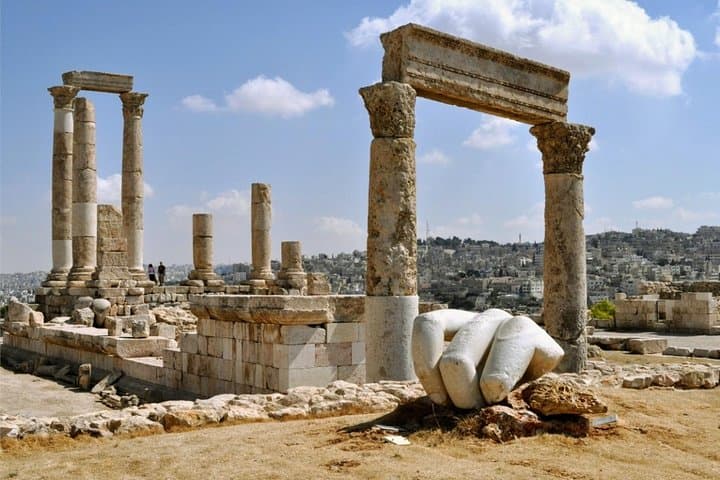
The morning light in the Jordanian highlands strips the city of Amman down to flat planes of limestone and concrete, and the private van hums as it pushes east toward Jerash. You feel the country wake up in stages — Roman columns catching the sun, mosaics in Madaba briefly glinting like coins, then the Dead Sea lying low and glassy between salt-crusted shores. Over eight days this route stitches together epochs: Nabataean rock-carving, Roman urbanism, Umayyad frescoes, and a living Bedouin desert culture that still navigates by stars.
The morning light in the Jordanian highlands strips the city of Amman down to flat planes of limestone and concrete, and the private van hums as it pushes east toward Jerash. You feel the country wake up in stages — Roman columns catching the sun, mosaics in Madaba briefly glinting like coins, then the Dead Sea lying low and glassy between salt-crusted shores. Over eight days this route stitches together epochs: Nabataean rock-carving, Roman urbanism, Umayyad frescoes, and a living Bedouin desert culture that still navigates by stars.
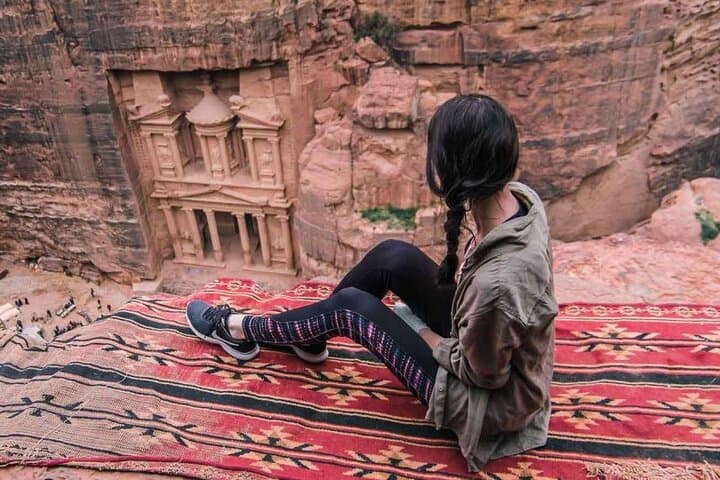
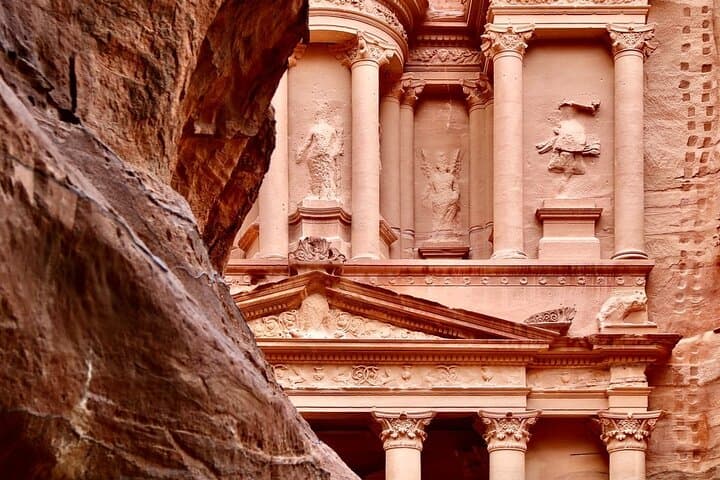
History presses close here. In Jerash the colonnaded cardo runs like a memory of imperial order; in Petra, the Nabataeans carved an entire city into sandstone faces and hid water-engineering innovations behind facade and gorge. Mount Nebo offers a theological viewpoint shaped by pilgrimage; Kerak’s Crusader masonry reads as medieval geopolitics. Geologically, Jordan is a crossroads: limestone plateaus along the highlands give way to the syncline of the Jordan Rift Valley and the basalt plains of the eastern desert. Wadi Rum’s red-hued sandstone and granite have been scoured into arches and canyons by wind and time, while the Dead Sea collects salts and minerals that make your body buoyant and your skin sting if you get a cut.
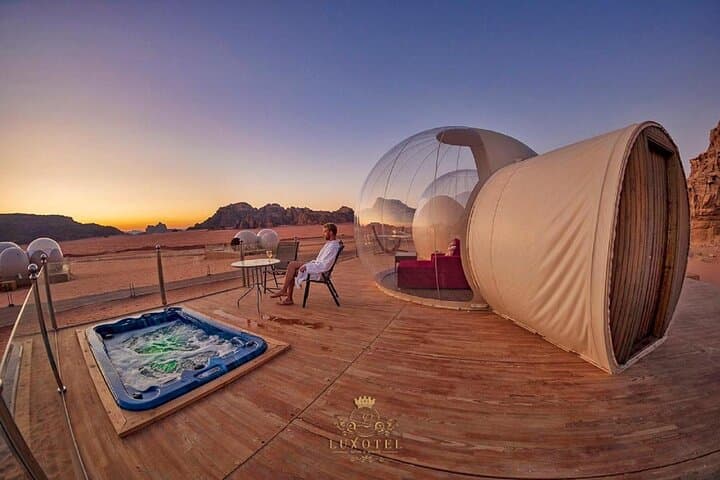
Culturally the trip is equally textured. Madaba’s Byzantine mosaics are household and devotional history. Bedouin hosts in Wadi Rum offer herbal tea and stories that sit between poetry and practical route-finding. In Aqaba the Red Sea opens a blue counterpoint: coral gardens, glass-bottom glimpses of marine life, and a relaxed port-town rhythm.
Practical guide: this private tour covers roughly 800–1,000 km of driving across varied roads, with walking segments at major sites—expect 1–6 miles of walking on days like Jerash and Petra, often on uneven stone and stairs; elevation ranges from roughly 1,000 m in Amman down to -430 m at the Dead Sea. Comfortable walking shoes with good grip are essential; the Petra Siq and Monastery include stairs and narrow passages. Hydration is non-negotiable — carry at least 2–3 liters per day in desert months. Secure the Jordan Pass before arrival to simplify admission at Petra and other sites, and bring cash for tips, local guides, and small purchases.
Timing matters: sunrise at the Treasury lightens the rose stone; sunset in Wadi Rum can be brutally cold after dark. If you want a quieter Petra, plan early mornings or late afternoons outside peak seasons. Respect Bedouin camp rules, avoid removing artifacts, and minimize plastic waste — Jordan’s fragile ecosystems, especially desert soils and coral reefs, respond slowly to damage.
This itinerary is customizable, private, and paced for comfort, making it a good fit for travelers who want deep context without forced marches — a slow, layered exploration of a compact country that wears its history on the land.