THE ADVENTURE COLLECTIVE® · Independent discovery and booking for outdoor travel

From Zagreb’s market squares to the travertine terraces of Plitvice and the sea-scraped walls of Dubrovnik, this eight-day private tour threads Croatia’s highlights into a single, guided loop. Expect comfortable transfers, guided walks, and reserved admissions to the country’s iconic parks and cities.
From Zagreb’s market squares to the travertine terraces of Plitvice and the sea-scraped walls of Dubrovnik, this eight-day private tour threads Croatia’s highlights into a single, guided loop. Expect comfortable transfers, guided walks, and reserved admissions to the country’s iconic parks and cities.
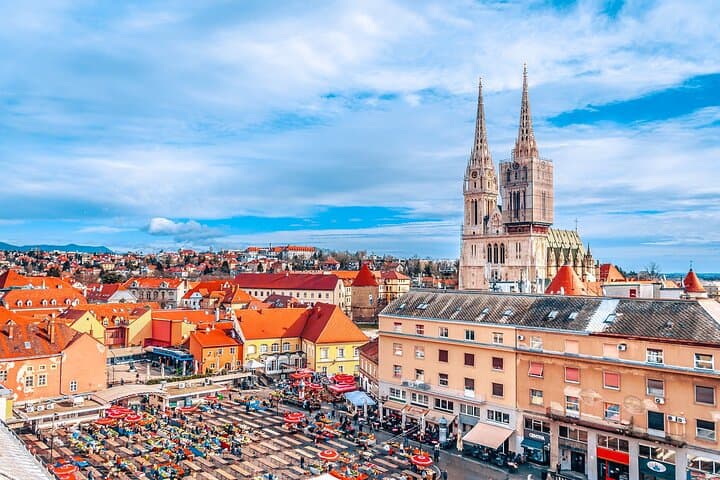
Morning light over Zagreb's Upper Town sharpens red roofs into a grid of medieval geometry. The coach eases away from the capital and the rhythm of Croatia changes: inland oak forests give way to limestone cliffs and water that insists on being seen. On an eight-day private circuit that stitches Zagreb to Dubrovnik, travelers move at the measured pace of a country that built empires from the sea and keeps time with waterfalls.
Verified experiences and guided adventures in the surrounding area.
Operated by Loltours · Zagreb, Zagreb County
Morning light over Zagreb's Upper Town sharpens red roofs into a grid of medieval geometry. The coach eases away from the capital and the rhythm of Croatia changes: inland oak forests give way to limestone cliffs and water that insists on being seen. On an eight-day private circuit that stitches Zagreb to Dubrovnik, travelers move at the measured pace of a country that built empires from the sea and keeps time with waterfalls.
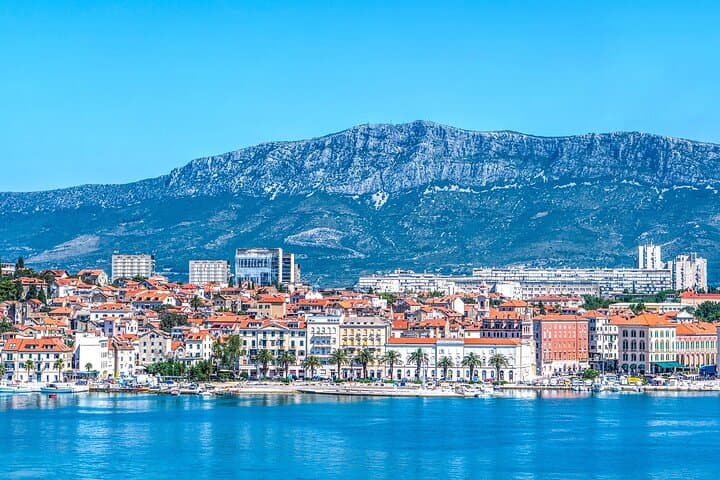
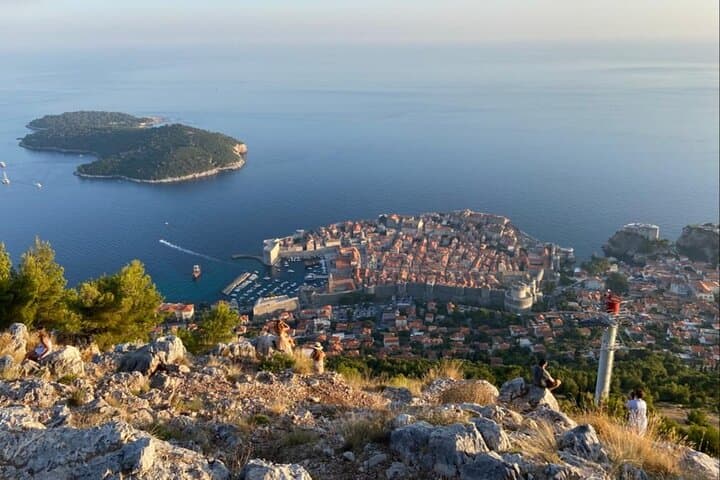
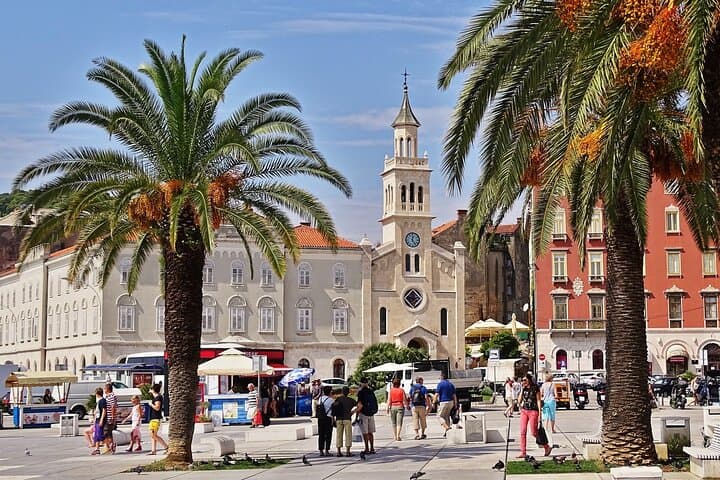
The route reads like a primer on Croatian history and geology. Zagreb’s Austro-Hungarian facades and bustling Dolac market contrast with the travertine terraces of Plitvice Lakes National Park, where calcium-rich streams have built wooden boardwalks over centuries. Zadar and Šibenik show off Dalmatia’s Roman and Venetian layers—stone cathedrals and narrow alleys that once sheltered maritime traders. Split centers on Diocletian’s Palace, a 4th-century Roman compound that functions today as a living neighborhood. Pelješac and Ston introduce viticulture and defensive walls, while Dubrovnik closes the loop with ramparts that trace an old maritime republic’s will to be seen.
Expect practical geography: daily drives average 2–4 hours with a few longer transits; Plitvice sightseeing involves 3–5 km of easy walking on boardwalks and steps and a short electric boat crossing; Krka National Park offers shorter 2–4 km loops and swim-friendly pools (seasonal); the Dubrovnik city walls are roughly 2 km long with steep sections and spectacular coastal exposure. Elevation gain is modest overall—Srđ hill above Dubrovnik tops out around 412 m, offering panoramic payoff for a 15–30 minute cable-car-and-walk detour.
This is a private, guided itinerary—hotel pickup, air-conditioned transfers, and reserved admissions to Plitvice and Krka cut the logistics friction so you can focus on place-making: tasting Pelješac wines, lingering on Split’s peristyle, timing light on the falls. Practical advice: start Plitvice early to avoid peak crowds, bring layers for variable inland-to-coast microclimates, and carry a refillable water bottle—the carbonate-rich air around the lakes can be deceptively dry. Croatia uses the euro; contactless payments are common but small vendors may prefer cash. Respect park rules: stay on marked boardwalks to protect fragile travertine formations.
An eight-day loop like this balances gentle walking, cultural immersion, and time in nature. It’s an itinerary for travelers who want concentrated access to Croatia’s signature sights without the guesswork—guided, private, and paced to let waterfalls, palace stones, and coastal light make an impression that lasts.
easy.
8 days.
Basic fitness for walking tours and short hikes (3–5 km daily); comfortable for most travelers who can manage stairs and uneven boardwalks.
Admissions to Plitvice Lakes and Krka Waterfalls are included in the tour price as noted in the itinerary.
Guides typically speak English; request other language options at booking and the operator will confirm availability.
Yes—this private tour is rated easy and suitable for a wide range of ages, though expect walking and some stairs at historic sites.
Yes—advise the supplier of dietary needs when booking so meal stops and winery visits can be planned accordingly.
Daily drives average 2–4 hours between major stops, with several short sightseeing walks; longer transits occur when moving from coast to inland segments.
Full refunds are available if you cancel at least 24 hours before departure; cancelations made within 24 hours are not refundable.
The route highlights Roman, Venetian, and Austro-Hungarian influences—most tangible in Diocletian’s Palace in Split and Dubrovnik’s fortified maritime republic legacy.
Plitvice and Krka are protected national parks; visitors must stay on marked trails and avoid touching travertine terraces to preserve fragile limestone formations.
Loltours operates guided outdoor trips and adventures with an emphasis on safety, stewardship, and memorable experiences.
Morning light over Zagreb's Upper Town sharpens red roofs into a grid of medieval geometry. The coach eases away from the capital and the rhythm of Croatia changes: inland oak forests give way to limestone cliffs and water that insists on being seen. On an eight-day private circuit that stitches Zagreb to Dubrovnik, travelers move at the measured pace of a country that built empires from the sea and keeps time with waterfalls.
Morning light over Zagreb's Upper Town sharpens red roofs into a grid of medieval geometry. The coach eases away from the capital and the rhythm of Croatia changes: inland oak forests give way to limestone cliffs and water that insists on being seen. On an eight-day private circuit that stitches Zagreb to Dubrovnik, travelers move at the measured pace of a country that built empires from the sea and keeps time with waterfalls.
The route reads like a primer on Croatian history and geology. Zagreb’s Austro-Hungarian facades and bustling Dolac market contrast with the travertine terraces of Plitvice Lakes National Park, where calcium-rich streams have built wooden boardwalks over centuries. Zadar and Šibenik show off Dalmatia’s Roman and Venetian layers—stone cathedrals and narrow alleys that once sheltered maritime traders. Split centers on Diocletian’s Palace, a 4th-century Roman compound that functions today as a living neighborhood. Pelješac and Ston introduce viticulture and defensive walls, while Dubrovnik closes the loop with ramparts that trace an old maritime republic’s will to be seen.
Expect practical geography: daily drives average 2–4 hours with a few longer transits; Plitvice sightseeing involves 3–5 km of easy walking on boardwalks and steps and a short electric boat crossing; Krka National Park offers shorter 2–4 km loops and swim-friendly pools (seasonal); the Dubrovnik city walls are roughly 2 km long with steep sections and spectacular coastal exposure. Elevation gain is modest overall—Srđ hill above Dubrovnik tops out around 412 m, offering panoramic payoff for a 15–30 minute cable-car-and-walk detour.
This is a private, guided itinerary—hotel pickup, air-conditioned transfers, and reserved admissions to Plitvice and Krka cut the logistics friction so you can focus on place-making: tasting Pelješac wines, lingering on Split’s peristyle, timing light on the falls. Practical advice: start Plitvice early to avoid peak crowds, bring layers for variable inland-to-coast microclimates, and carry a refillable water bottle—the carbonate-rich air around the lakes can be deceptively dry. Croatia uses the euro; contactless payments are common but small vendors may prefer cash. Respect park rules: stay on marked boardwalks to protect fragile travertine formations.
An eight-day loop like this balances gentle walking, cultural immersion, and time in nature. It’s an itinerary for travelers who want concentrated access to Croatia’s signature sights without the guesswork—guided, private, and paced to let waterfalls, palace stones, and coastal light make an impression that lasts.