THE ADVENTURE COLLECTIVE® · Independent discovery and booking for outdoor travel

Traverse four countries in eight days: alpine lakes, cascading waterfalls, Venetian coasts and Ottoman bridges. This private road tour pairs a local guide with skip-the-line access to deliver a concentrated sample of the western Balkans—ideal for travelers who want deep variety without the transport hassle.
Traverse four countries in eight days: alpine lakes, cascading waterfalls, Venetian coasts and Ottoman bridges. This private road tour pairs a local guide with skip-the-line access to deliver a concentrated sample of the western Balkans—ideal for travelers who want deep variety without the transport hassle.
You step out into Ban Jelačić Square as the city breathes awake: trams clatter, a pastry steam rises from a street kiosk, and your guide is already checking the day’s road map. The next eight days unfold like a stitched map across the Adriatic and the Dinaric Alps — glacial lakes, Venetian harbors, Ottoman bridges and a bay that folds inward like a secret.
Verified experiences and guided adventures in the surrounding area.
Operated by Zico Tours · Zagreb, Zagreb
You step out into Ban Jelačić Square as the city breathes awake: trams clatter, a pastry steam rises from a street kiosk, and your guide is already checking the day’s road map. The next eight days unfold like a stitched map across the Adriatic and the Dinaric Alps — glacial lakes, Venetian harbors, Ottoman bridges and a bay that folds inward like a secret.
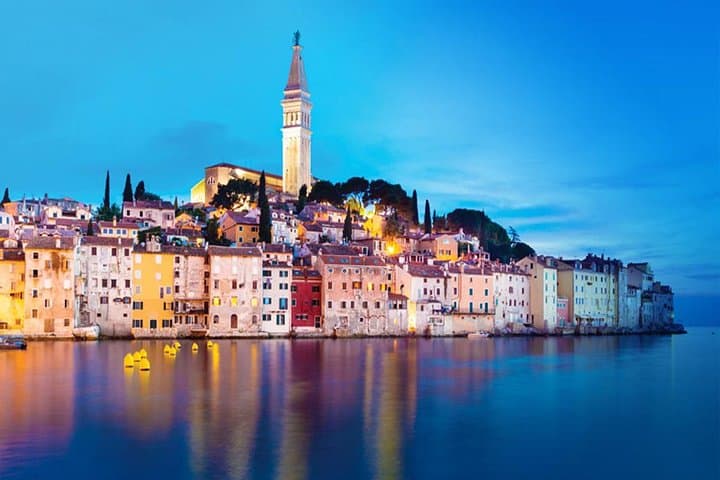
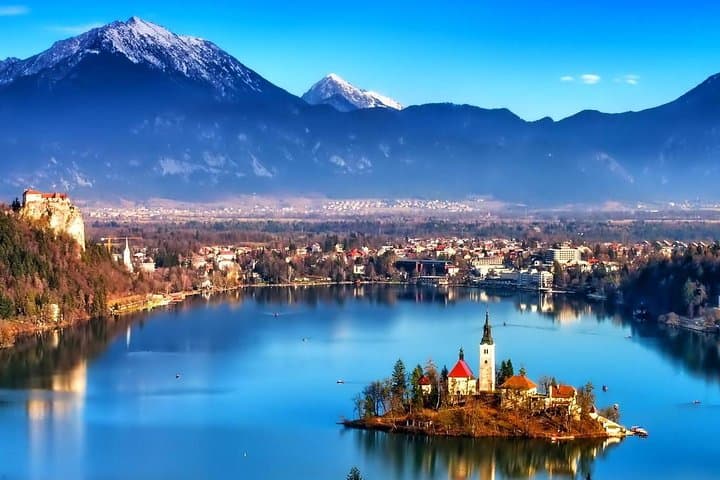
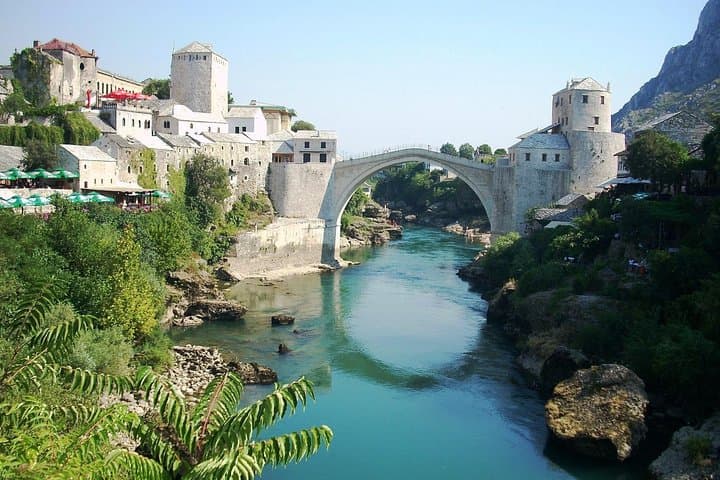
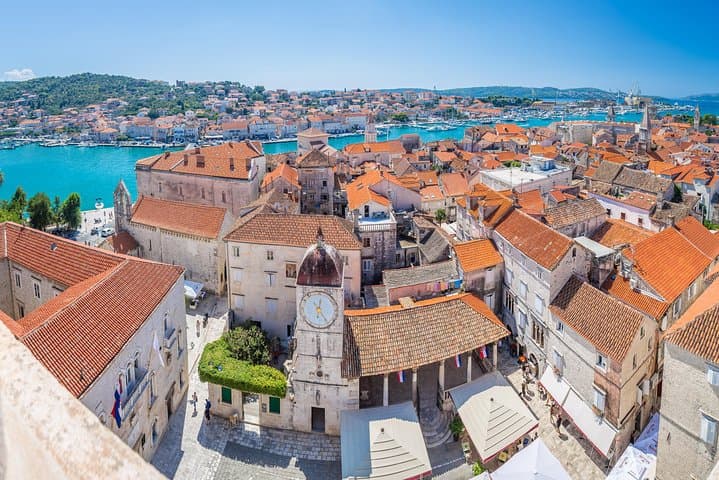
On day two, Lake Bled appears like a cut of turquoise in an alpine bowl; Bled Castle perches 130 meters above the water, its stonework tracing Habsburg and medieval stories. By day four you are walking Plitvice’s wooden boardwalks where 16 lakes cascade over travertine terraces and Veliki Slap thunders from a 78-meter drop. Coastal towns — Rovinj’s pastel harbor, Trogir’s medieval spine and Split’s Diocletian’s Palace — show Venetian, Roman and Byzantine layers in stone and street. Crossing into Bosnia, Mostar’s Stari Most arches over the Neretva, a rebuilt symbol of connection amid a complicated 20th-century history. Montenegro’s Kotor sits in a drowned river canyon, limestone cliffs rising like stage wings, and Budva offers sun-slick beaches and narrow old-town lanes.
This route is a historical cross-section: Austro-Hungarian administration shaped Zagreb and Opatija’s promenades; Venetian merchants carved Istria’s stone towns; Ottoman crafts and bazaars still shape Mostar’s old quarter. Geologically, the Dinaric chain is young, karst limestone that dissolves into caves and steep fjord-like bays; you’ll notice white rock under your boots and dramatic vertical cliffs along the coast.
Practical rhythm matters: start early at Plitvice and Dubrovnik to beat crowds and harsh midday sun; a private guide means skip-the-line access but not immunity from afternoon ferry schedules or border waits. Passports and the right currency (Euros are standard in Slovenia, Montenegro and now Croatia; Bosnia uses the Convertible Mark) speed transitions. Footwear should be sturdy enough for uneven boardwalks and cobbles; a daypack with water and sun protection keeps you moving through long sightseeing days. Expect several short hikes and plenty of standing-walking in historic centers; the tour is paced for broad accessibility but benefits from comfortable mobility.
Logistics are simple: hotel pickup is included in most towns, bottled water is provided, and the final transfer to Dubrovnik Airport is about 25 minutes from the walled city. Travel light but well-equipped, plan for sun and sudden mountain rain, and leave room for unexpected detours — a seaside café, a truffle market on Istria’s slopes, or a sunset on a fortified wall. The Balkans reward curiosity: the best moments are the unflagged alleys and the quiet views between the guide’s stories.
easy.
8 days.
Suitable for travelers in average fitness who can manage several hours of walking on consecutive days; minimal steep hiking.
Yes — the tour includes hotel pickup and drop-off in major towns listed on the itinerary; specific pickup times are provided in advance.
Euros are widely accepted in Slovenia, Montenegro and Croatia; Bosnia uses the Convertible Mark (BAM), though many tourist spots accept euros — have small local currency for markets.
The itinerary notes it’s suitable for all fitness levels; families and older travelers can join, but expect lots of walking and some stairs at historic sites.
Visa requirements depend on your nationality; check entry rules for each country in advance and carry your passport at all times.
Meals are not comprehensively included beyond bottled water and any specific admissions; you'll have time to try local restaurants in towns like Rovinj, Split and Dubrovnik.
Local guides typically speak English; private guides may offer other languages on request — confirm when booking.
This route maps Venetian maritime power, Ottoman inland influence and Austro-Hungarian administration, visible in architecture, cuisine and town layouts across the region.
Plitvice and other parks are UNESCO-protected — stick to boardwalks, avoid feeding wildlife and minimize single-use plastics to reduce visitor impact.
Zico Tours operates guided outdoor trips and adventures with an emphasis on safety, stewardship, and memorable experiences.
You step out into Ban Jelačić Square as the city breathes awake: trams clatter, a pastry steam rises from a street kiosk, and your guide is already checking the day’s road map. The next eight days unfold like a stitched map across the Adriatic and the Dinaric Alps — glacial lakes, Venetian harbors, Ottoman bridges and a bay that folds inward like a secret.
You step out into Ban Jelačić Square as the city breathes awake: trams clatter, a pastry steam rises from a street kiosk, and your guide is already checking the day’s road map. The next eight days unfold like a stitched map across the Adriatic and the Dinaric Alps — glacial lakes, Venetian harbors, Ottoman bridges and a bay that folds inward like a secret.
On day two, Lake Bled appears like a cut of turquoise in an alpine bowl; Bled Castle perches 130 meters above the water, its stonework tracing Habsburg and medieval stories. By day four you are walking Plitvice’s wooden boardwalks where 16 lakes cascade over travertine terraces and Veliki Slap thunders from a 78-meter drop. Coastal towns — Rovinj’s pastel harbor, Trogir’s medieval spine and Split’s Diocletian’s Palace — show Venetian, Roman and Byzantine layers in stone and street. Crossing into Bosnia, Mostar’s Stari Most arches over the Neretva, a rebuilt symbol of connection amid a complicated 20th-century history. Montenegro’s Kotor sits in a drowned river canyon, limestone cliffs rising like stage wings, and Budva offers sun-slick beaches and narrow old-town lanes.
This route is a historical cross-section: Austro-Hungarian administration shaped Zagreb and Opatija’s promenades; Venetian merchants carved Istria’s stone towns; Ottoman crafts and bazaars still shape Mostar’s old quarter. Geologically, the Dinaric chain is young, karst limestone that dissolves into caves and steep fjord-like bays; you’ll notice white rock under your boots and dramatic vertical cliffs along the coast.
Practical rhythm matters: start early at Plitvice and Dubrovnik to beat crowds and harsh midday sun; a private guide means skip-the-line access but not immunity from afternoon ferry schedules or border waits. Passports and the right currency (Euros are standard in Slovenia, Montenegro and now Croatia; Bosnia uses the Convertible Mark) speed transitions. Footwear should be sturdy enough for uneven boardwalks and cobbles; a daypack with water and sun protection keeps you moving through long sightseeing days. Expect several short hikes and plenty of standing-walking in historic centers; the tour is paced for broad accessibility but benefits from comfortable mobility.
Logistics are simple: hotel pickup is included in most towns, bottled water is provided, and the final transfer to Dubrovnik Airport is about 25 minutes from the walled city. Travel light but well-equipped, plan for sun and sudden mountain rain, and leave room for unexpected detours — a seaside café, a truffle market on Istria’s slopes, or a sunset on a fortified wall. The Balkans reward curiosity: the best moments are the unflagged alleys and the quiet views between the guide’s stories.