THE ADVENTURE COLLECTIVE® · Independent discovery and booking for outdoor travel

Climb Africa’s tallest peak on the classic 8-day Machame Route, starting near Moshi and ascending through forest, moorland, and glaciers. This detailed guide covers the terrain, key highlights, and essential preparation for a rewarding Kilimanjaro summit experience.
Climb Africa’s tallest peak on the classic 8-day Machame Route, starting near Moshi and ascending through forest, moorland, and glaciers. This detailed guide covers the terrain, key highlights, and essential preparation for a rewarding Kilimanjaro summit experience.
At the edge of Tanzania’s vast Savannah, the towering silhouette of Mount Kilimanjaro pierces the sky, its glaciers reflecting the early morning light as trekkers gather in Moshi. This 8-day expedition from Arusha charts a course from tropical rainforests up through shifting ecological zones to the breath-stealing heights of Africa's tallest peak. Each step on the Machame route reveals the mountain’s layered personality — from the rustling forest canopy alive with birdsong, to the stark, lunar-like moorlands of the Shira Plateau.
Verified experiences and guided adventures in the surrounding area.
Operated by All Time Safaris · Moshi, Kilimanjaro
At the edge of Tanzania’s vast Savannah, the towering silhouette of Mount Kilimanjaro pierces the sky, its glaciers reflecting the early morning light as trekkers gather in Moshi. This 8-day expedition from Arusha charts a course from tropical rainforests up through shifting ecological zones to the breath-stealing heights of Africa's tallest peak. Each step on the Machame route reveals the mountain’s layered personality — from the rustling forest canopy alive with birdsong, to the stark, lunar-like moorlands of the Shira Plateau.
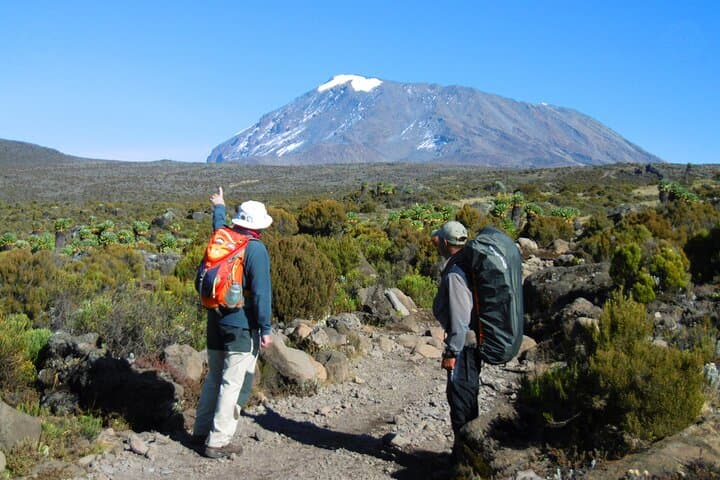
The journey begins in the foothills near Moshi, where guides and porters ready gear before entering Kilimanjaro National Park. The trail quickly plunges into humid forests, where moss-draped trees crowd the paths and the ground beneath shifts from soft earth to slick mud following afternoon rain. Ascending beyond 3,000 meters, the forest gives way to the moorland zone. Giant groundsels and lobelias stand like ancient sentinels while the air thins and demands more exertion.
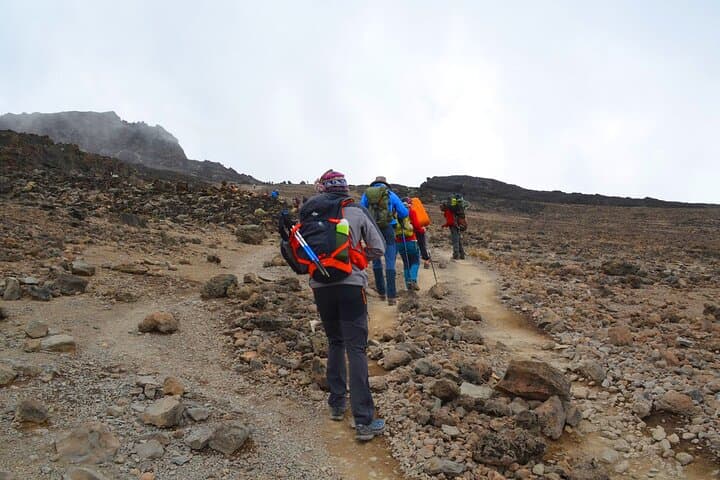
Traversing the Shira Plateau, climbers gain expansive vista of the Western Breach and the glaciers perched near Kibo’s summit. The route winds toward Lava Tower at 4,630 meters, a grim reminder of the mountain's volcanic core. Here altitude sickness becomes a serious companion, requiring careful pacing and hydration. After a challenging descent to Barranco Camp, adventurers face the imposing Great Barranco Wall before pushing onward through wind-swept ridges to Barafu Camp, the final staging ground.
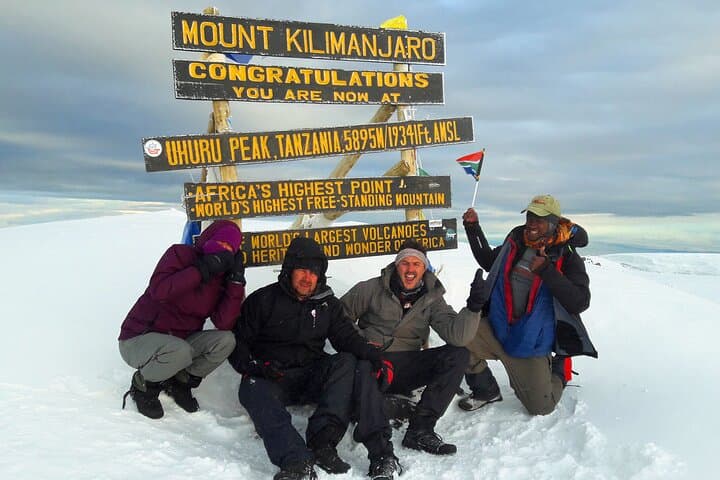
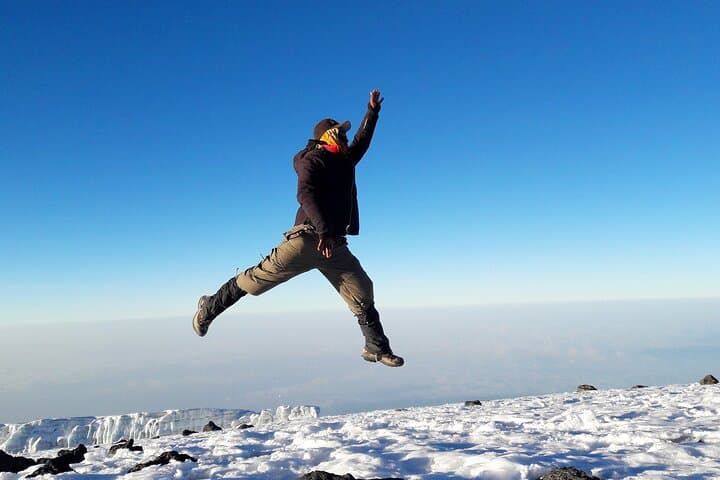
Summit night begins in darkness at 11:30 p.m., under a blanket of stars. Climbers battle loose scree and biting cold to reach Stella Point for a sunrise that colors glaciers and crater rim in sharp relief. The final push to Uhuru Peak at 5,895 meters rewards with an unparalleled panorama — vast savannahs stretch toward the horizon, the sky a piercing blue.
Descent follows the Mweka Route, a long and sometimes slippery descent back through forest and village, where hot showers and local hospitality await. The trek demands high fitness but offers intimate glimpses into Kilimanjaro’s geology, ecology, and Tanzanian culture.
Practical preparation includes warm layered clothing, strong hiking boots, walking poles, and gear for wet conditions. Acclimatization is vital; the itinerary’s pace helps minimize altitude sickness risks. Hydration and nutrition on the trail sustain energy for each steep ascent and rocky traverse. The best window for climbing is from June to October or January to February, avoiding rainy seasons.
For those ready to trade urban streets for sweeping summits and vivid landscapes, this Kilimanjaro tour offers a carefully constructed pathway to one of the world’s most iconic peaks — where nature dares every climber to test their limits and earn a view few will forget.
challenging.
8 days.
Strong aerobic fitness and endurance needed; prior experience with mountain trekking recommended
The optimal climbing seasons are June to October and January to February when weather is generally drier and more stable.
The Machame route is considered challenging due to steep ascents, variable terrain, and high altitude, suitable for fit hikers with prior trekking experience.
Yes, this tour includes full board meals and camping accommodations pitched by porters throughout the trek.
Bring layered clothing for cold and wet conditions, hiking boots, trekking poles, a sleeping bag, and water bottles (preferably insulated).
Altitude sickness can occur; the itinerary allows gradual ascent for acclimatization, and guides monitor symptoms closely to ensure safety.
Yes, an additional acclimatization day on the Shira Plateau can be added to ease altitude adjustment.
Kilimanjaro shaped from three volcanic cones—Kibo, Mawenzi, and Shira—has long held cultural significance to local Chagga people as a sacred site.
Efforts by Kilimanjaro National Park authorities include strict waste management and limits on daily climber numbers to protect fragile ecosystems.
All Time Safaris operates guided outdoor trips and adventures with an emphasis on safety, stewardship, and memorable experiences.
At the edge of Tanzania’s vast Savannah, the towering silhouette of Mount Kilimanjaro pierces the sky, its glaciers reflecting the early morning light as trekkers gather in Moshi. This 8-day expedition from Arusha charts a course from tropical rainforests up through shifting ecological zones to the breath-stealing heights of Africa's tallest peak. Each step on the Machame route reveals the mountain’s layered personality — from the rustling forest canopy alive with birdsong, to the stark, lunar-like moorlands of the Shira Plateau.
At the edge of Tanzania’s vast Savannah, the towering silhouette of Mount Kilimanjaro pierces the sky, its glaciers reflecting the early morning light as trekkers gather in Moshi. This 8-day expedition from Arusha charts a course from tropical rainforests up through shifting ecological zones to the breath-stealing heights of Africa's tallest peak. Each step on the Machame route reveals the mountain’s layered personality — from the rustling forest canopy alive with birdsong, to the stark, lunar-like moorlands of the Shira Plateau.
The journey begins in the foothills near Moshi, where guides and porters ready gear before entering Kilimanjaro National Park. The trail quickly plunges into humid forests, where moss-draped trees crowd the paths and the ground beneath shifts from soft earth to slick mud following afternoon rain. Ascending beyond 3,000 meters, the forest gives way to the moorland zone. Giant groundsels and lobelias stand like ancient sentinels while the air thins and demands more exertion.
Traversing the Shira Plateau, climbers gain expansive vista of the Western Breach and the glaciers perched near Kibo’s summit. The route winds toward Lava Tower at 4,630 meters, a grim reminder of the mountain's volcanic core. Here altitude sickness becomes a serious companion, requiring careful pacing and hydration. After a challenging descent to Barranco Camp, adventurers face the imposing Great Barranco Wall before pushing onward through wind-swept ridges to Barafu Camp, the final staging ground.
Summit night begins in darkness at 11:30 p.m., under a blanket of stars. Climbers battle loose scree and biting cold to reach Stella Point for a sunrise that colors glaciers and crater rim in sharp relief. The final push to Uhuru Peak at 5,895 meters rewards with an unparalleled panorama — vast savannahs stretch toward the horizon, the sky a piercing blue.
Descent follows the Mweka Route, a long and sometimes slippery descent back through forest and village, where hot showers and local hospitality await. The trek demands high fitness but offers intimate glimpses into Kilimanjaro’s geology, ecology, and Tanzanian culture.
Practical preparation includes warm layered clothing, strong hiking boots, walking poles, and gear for wet conditions. Acclimatization is vital; the itinerary’s pace helps minimize altitude sickness risks. Hydration and nutrition on the trail sustain energy for each steep ascent and rocky traverse. The best window for climbing is from June to October or January to February, avoiding rainy seasons.
For those ready to trade urban streets for sweeping summits and vivid landscapes, this Kilimanjaro tour offers a carefully constructed pathway to one of the world’s most iconic peaks — where nature dares every climber to test their limits and earn a view few will forget.