THE ADVENTURE COLLECTIVE® · Independent discovery and booking for outdoor travel

Eight days of private travel through Argentina’s north-west — from Salta’s colonial streets to salt-white expanses and multicolored hills. This luxury route combines high-altitude geology, boutique wineries, and living culture with private transport and curated stops.
Eight days of private travel through Argentina’s north-west — from Salta’s colonial streets to salt-white expanses and multicolored hills. This luxury route combines high-altitude geology, boutique wineries, and living culture with private transport and curated stops.
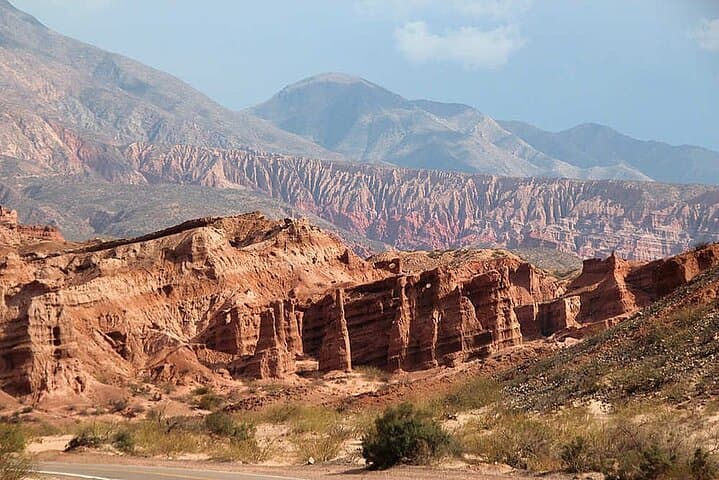
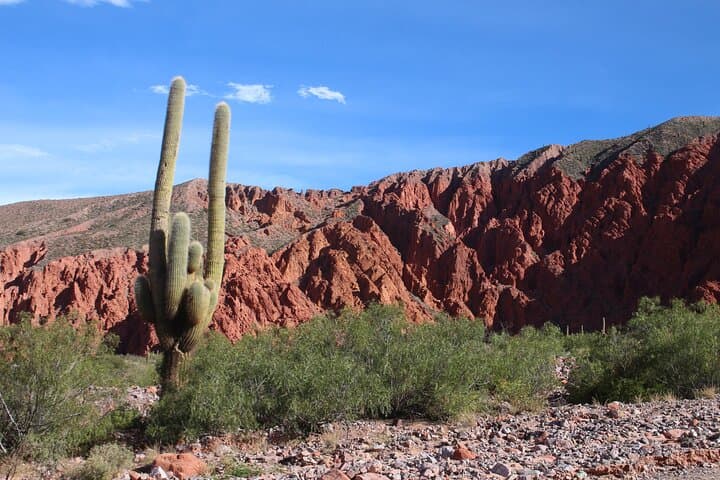
You start in Salta before dawn, the city lights folding back as the Andes climb out of the valley. Warm air from the Lerma Valley brushes the windshield for the first hour; by midday the land has been rewritten into salt-white plains, serrated red canyons and plateaus that climb above 4,000 metres. This private, eight-day route reads like a condensed primer of northwest Argentina — colonial plazas, cloud-forest yungas, the train-to-the-clouds corridor, and the dizzying expanse of the Salinas Grandes.
Verified experiences and guided adventures in the surrounding area.
Operated by [email protected] · Salta, Salta
You start in Salta before dawn, the city lights folding back as the Andes climb out of the valley. Warm air from the Lerma Valley brushes the windshield for the first hour; by midday the land has been rewritten into salt-white plains, serrated red canyons and plateaus that climb above 4,000 metres. This private, eight-day route reads like a condensed primer of northwest Argentina — colonial plazas, cloud-forest yungas, the train-to-the-clouds corridor, and the dizzying expanse of the Salinas Grandes.
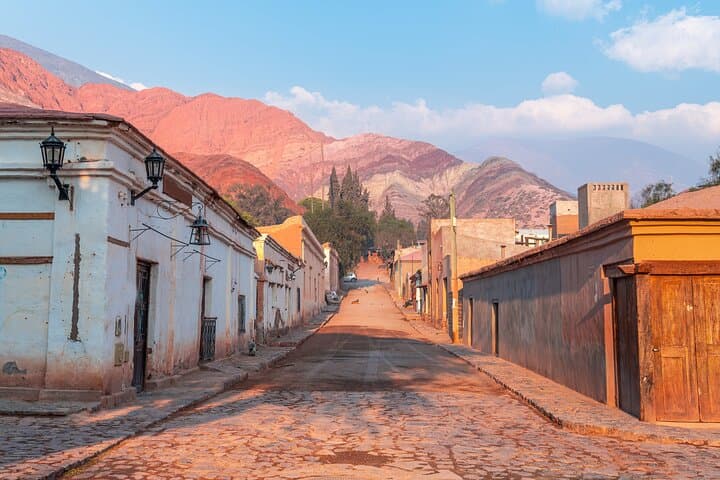
The region’s human story is layered. Pre-Columbian communities — Omaguacas, Omaguacas, and later the Inca — carved terraces and roads that still thread the landscape. Spanish colonial towns like Salta and Cachi then added baroque churches and town squares that anchor modern life. Geologically, you move from the humid, eroded folds of the Yungas to the high Andean puna: wind-scrubbed, salt-pan flats formed by ancient evaporated lakes, and the multicolored strata of Hornocal and Purmamarca’s Hill of Seven Colours, where mineral bands read like a geological ledger.
Culture here is tactile: market stalls layered with handwoven textiles, boutique wineries producing high-altitude Torrontés and Malbec, and adobe churches that mark each town. Small wineries near Cachi and Cafayate make boutique tastings feel less like commerce and more like a conversation about place and climate. Expect local rhythms — midday siestas in small towns, early starts for mountain passes, and communal meals that stretch long into the afternoon.
Practical guide: the tour covers paved highways and high-altitude dirt roads with climbs to about 4,080 m; Salta city sits around 1,150 m, while Humahuaca and San Antonio de los Cobres climb above 3,000 m. Acclimatize on day one, keep hydrated, and scale exertion on the highest days. Sun is intense — even on cool mornings — so layered clothing, UV protection and a good base of fitness make the trip comfortable. Roads can be dusty; the salt flats and canyon viewpoints are prime photo ops but require sturdy shoes for short walks.
Timing and booking: the dry months (April–November) offer the most reliable driving weather and clearer skies for views and vineyards. The itinerary is private with hotel drops each night; entrance fees to some sites and optional winery tastings may be extra. For travelers interested in culture, add market time in Tilcara and a slow lunch at Piattelli or Yacochuya for the best local food-and-wine pairing.
This is a trip for travelers who want varied landscapes without roughing it — dramatic altitudes, intimate cultural stops and quiet, wide skies that make the Andes feel, for a week, entirely yours.
moderate.
8 days.
Suitable for travelers in good general health; expect several long driving days and short to moderate walks at altitude, so cardiovascular fitness and basic stamina are helpful.
The itinerary reaches highs of around 4,080 metres in the Quebrada del Toro and nearby altiplano; expect progressive altitude gains over several days.
Private transportation and many guided visits are included, but some winery tours, tastings and certain museum admissions are optional and may incur extra fees.
The tour is private and adaptable, but high-altitude days can be strenuous; consult a physician for anyone with cardiovascular or severe health issues.
The dry season (April–November) offers clearer skies and more reliable roads; summer brings occasional thunderstorms and higher temperatures in lower valleys.
Basic Spanish helps in rural towns and markets, though guides are provided; hotels and major wineries often accommodate English speakers.
Private transfers to/from Salta airport are included; pack moderate luggage—vehicles handle rural roads but space is limited on some excursions.
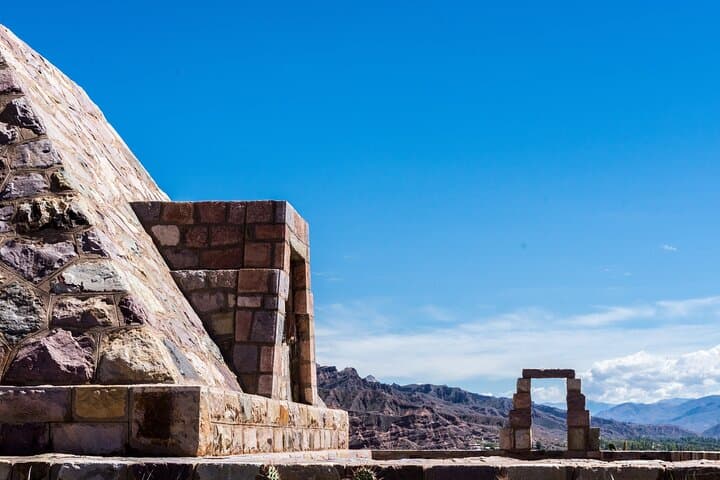
The region preserves Indigenous and Incan legacies—Pucará ruins and Quilmes settlements illustrate pre-Columbian occupation and later resistance to Spanish conquest.
The high puna and salt flats are fragile ecosystems; stick to marked areas, avoid leaving waste, and support local eco-conscious wineries and craftspeople.
[email protected] operates guided outdoor trips and adventures with an emphasis on safety, stewardship, and memorable experiences.
You start in Salta before dawn, the city lights folding back as the Andes climb out of the valley. Warm air from the Lerma Valley brushes the windshield for the first hour; by midday the land has been rewritten into salt-white plains, serrated red canyons and plateaus that climb above 4,000 metres. This private, eight-day route reads like a condensed primer of northwest Argentina — colonial plazas, cloud-forest yungas, the train-to-the-clouds corridor, and the dizzying expanse of the Salinas Grandes.
You start in Salta before dawn, the city lights folding back as the Andes climb out of the valley. Warm air from the Lerma Valley brushes the windshield for the first hour; by midday the land has been rewritten into salt-white plains, serrated red canyons and plateaus that climb above 4,000 metres. This private, eight-day route reads like a condensed primer of northwest Argentina — colonial plazas, cloud-forest yungas, the train-to-the-clouds corridor, and the dizzying expanse of the Salinas Grandes.
The region’s human story is layered. Pre-Columbian communities — Omaguacas, Omaguacas, and later the Inca — carved terraces and roads that still thread the landscape. Spanish colonial towns like Salta and Cachi then added baroque churches and town squares that anchor modern life. Geologically, you move from the humid, eroded folds of the Yungas to the high Andean puna: wind-scrubbed, salt-pan flats formed by ancient evaporated lakes, and the multicolored strata of Hornocal and Purmamarca’s Hill of Seven Colours, where mineral bands read like a geological ledger.
Culture here is tactile: market stalls layered with handwoven textiles, boutique wineries producing high-altitude Torrontés and Malbec, and adobe churches that mark each town. Small wineries near Cachi and Cafayate make boutique tastings feel less like commerce and more like a conversation about place and climate. Expect local rhythms — midday siestas in small towns, early starts for mountain passes, and communal meals that stretch long into the afternoon.
Practical guide: the tour covers paved highways and high-altitude dirt roads with climbs to about 4,080 m; Salta city sits around 1,150 m, while Humahuaca and San Antonio de los Cobres climb above 3,000 m. Acclimatize on day one, keep hydrated, and scale exertion on the highest days. Sun is intense — even on cool mornings — so layered clothing, UV protection and a good base of fitness make the trip comfortable. Roads can be dusty; the salt flats and canyon viewpoints are prime photo ops but require sturdy shoes for short walks.
Timing and booking: the dry months (April–November) offer the most reliable driving weather and clearer skies for views and vineyards. The itinerary is private with hotel drops each night; entrance fees to some sites and optional winery tastings may be extra. For travelers interested in culture, add market time in Tilcara and a slow lunch at Piattelli or Yacochuya for the best local food-and-wine pairing.
This is a trip for travelers who want varied landscapes without roughing it — dramatic altitudes, intimate cultural stops and quiet, wide skies that make the Andes feel, for a week, entirely yours.