THE ADVENTURE COLLECTIVE® · Independent discovery and booking for outdoor travel

Traverse ancient monasteries, glacial viewpoints, and high Himalayan passes on an 8-day circuit from Lhasa to Everest Base Camp. This guided journey balances cultural immersion with built-in acclimatization and on-route logistics for a focused introduction to Tibet’s high plateau.
Traverse ancient monasteries, glacial viewpoints, and high Himalayan passes on an 8-day circuit from Lhasa to Everest Base Camp. This guided journey balances cultural immersion with built-in acclimatization and on-route logistics for a focused introduction to Tibet’s high plateau.
The first light in Lhasa comes cool and thin, bent by the altitude into a silver clarity. You arrive to a small ceremony—a white Kada draped across your shoulders—and the city unfolds: flat-roofed houses, prayer wheels turning at the Jokhang, and the Potala’s red-and-white tiers rising against a backdrop of brown ridgelines.
Verified experiences and guided adventures in the surrounding area.
Operated by Guide Tibet Tour · Lhasa, Tibet Autonomous Region
The first light in Lhasa comes cool and thin, bent by the altitude into a silver clarity. You arrive to a small ceremony—a white Kada draped across your shoulders—and the city unfolds: flat-roofed houses, prayer wheels turning at the Jokhang, and the Potala’s red-and-white tiers rising against a backdrop of brown ridgelines.
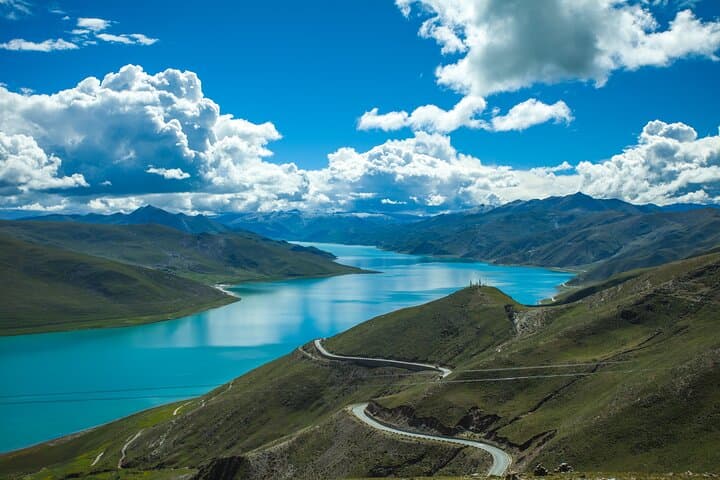
Over eight days this tour moves like a practiced caravan across the Tibetan Plateau: temple courtyards and debating monks in Lhasa, the turquoise sweep of Yamdrok Lake, the blue-near-white tongue of Karola Glacier, and finally the ragged horizon of the Himalaya at Everest Base Camp. The route threads through passes above 5,000 m—Tsola, Gyatsola, Gawula—where prayer flags snap like colored punctuation and the air demands slow breaths and patient legs.
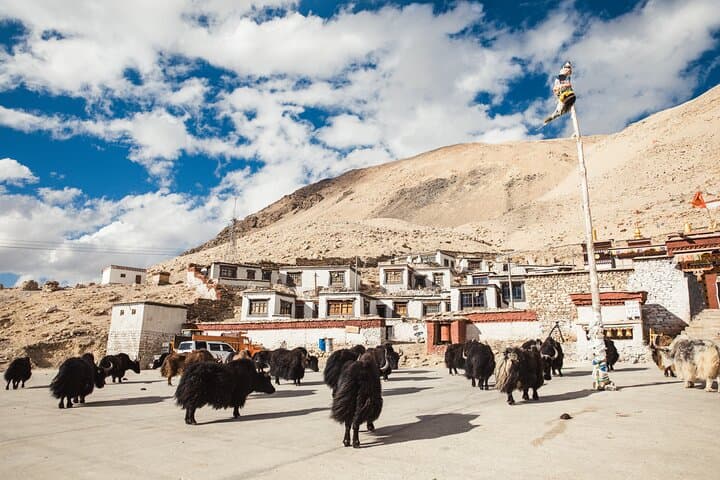
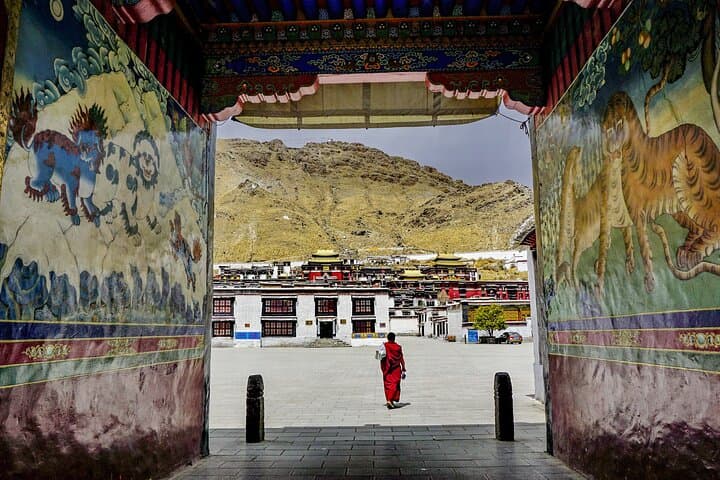
This is a journey as much through history as landscape. Lhasa’s Potala Palace and Jokhang Temple have been nodes of Tibetan Buddhism and governance for centuries; Drepung and Sera monasteries preserve the scholastic culture of the Gelug school where debate and ritual shape daily life. Geologically, the trip crosses the uplifted rim of the world—the collision zone that raised the Himalaya and forms vast glacial shoulders like Karola. Along the road you’ll see barley fields and canola burns, villages that have long adapted to thin air, and villages whose rhythms remain tied to the prayer wheel.
Practically, this is a high-altitude expedition with comforts. Expect hotel nights in Lhasa and Shigatse and a guesthouse or basic accommodation at Rongbuk/Everest Base Camp; driving segments of 4–8 hours are typical. Acclimatization is built into the itinerary: early easy days in Lhasa, then steady ascents with pauses at viewpoint stops. The organizers include Tibet permits, on-board oxygen for emergencies, and travel accident/high-altitude sickness insurance—still, personal preparation matters.
Gear toward cold, wind, and sun: layered clothing, a warm hat, good boots, and sunscreen. Hydrate often, sleep well, and move slowly on higher passes; headaches and breathlessness are normal early symptoms—consult a physician about medication like acetazolamide if you have altitude concerns. Respect local customs: remove hats and shoes where required, ask before photographing religious ceremonies or locals, and carry small bills for tea houses and tips (a modest guide-and-driver tip is customary).
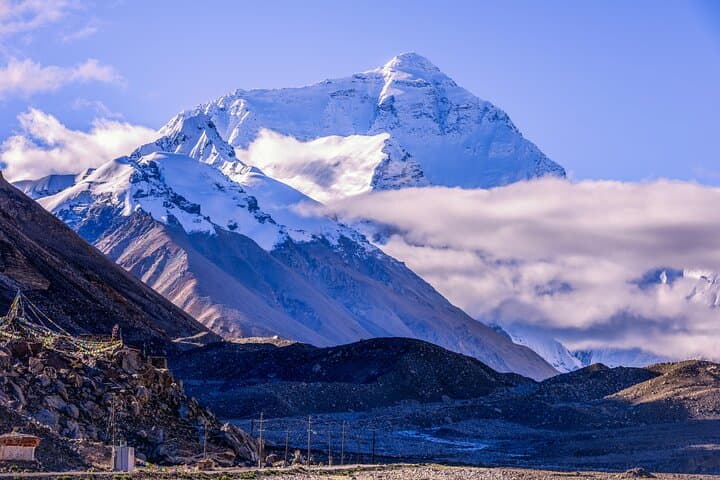
When the tour delivers its payoff—sunrise at Everest—the mountain doesn’t concede itself easily. On clear mornings the peak catches a tactile gold while clouds pour below like a sea. You stand at the edge of that sea, breath visible in the cold, knowing you’ve crossed more than miles: you’ve threaded history, geology, and human stories into a single high-altitude day.
challenging.
8 days.
Participants should have a good baseline fitness level and be prepared for long drives, daily walking, and sustained activity at high altitude.
Yes—your operator secures a Tibet Permit and processes it after booking; allow at least 10 working days for approval.
The itinerary builds acclimatization days but passes exceed 5,000 m; mild symptoms are common—monitor, hydrate, and descend if symptoms worsen.
Three- and four-star hotels in Lhasa and Shigatse, with simple guesthouse or monastery-area lodging near Everest Base Camp or Rongbuk.
Moderate fitness is recommended—no technical climbing skills are needed, but expect long drives, short high-altitude walks, and stairs in monasteries.
Most breakfasts and select meals are included; operators can often accommodate dietary needs with advance notice.
Tipping is customary; the operator suggests about $7 per person per day to share between guide and driver if satisfied.
Lhasa was the seat of Tibetan spiritual and administrative power for centuries; Potala Palace served successive Dalai Lamas as a winter residence and political center.
The plateau’s fragile ecosystems are vulnerable to waste and over-tourism—carry out trash, minimize single-use plastics, and follow guide instructions on local rules.
Guide Tibet Tour operates guided outdoor trips and adventures with an emphasis on safety, stewardship, and memorable experiences.
The first light in Lhasa comes cool and thin, bent by the altitude into a silver clarity. You arrive to a small ceremony—a white Kada draped across your shoulders—and the city unfolds: flat-roofed houses, prayer wheels turning at the Jokhang, and the Potala’s red-and-white tiers rising against a backdrop of brown ridgelines.
The first light in Lhasa comes cool and thin, bent by the altitude into a silver clarity. You arrive to a small ceremony—a white Kada draped across your shoulders—and the city unfolds: flat-roofed houses, prayer wheels turning at the Jokhang, and the Potala’s red-and-white tiers rising against a backdrop of brown ridgelines.
Over eight days this tour moves like a practiced caravan across the Tibetan Plateau: temple courtyards and debating monks in Lhasa, the turquoise sweep of Yamdrok Lake, the blue-near-white tongue of Karola Glacier, and finally the ragged horizon of the Himalaya at Everest Base Camp. The route threads through passes above 5,000 m—Tsola, Gyatsola, Gawula—where prayer flags snap like colored punctuation and the air demands slow breaths and patient legs.
This is a journey as much through history as landscape. Lhasa’s Potala Palace and Jokhang Temple have been nodes of Tibetan Buddhism and governance for centuries; Drepung and Sera monasteries preserve the scholastic culture of the Gelug school where debate and ritual shape daily life. Geologically, the trip crosses the uplifted rim of the world—the collision zone that raised the Himalaya and forms vast glacial shoulders like Karola. Along the road you’ll see barley fields and canola burns, villages that have long adapted to thin air, and villages whose rhythms remain tied to the prayer wheel.
Practically, this is a high-altitude expedition with comforts. Expect hotel nights in Lhasa and Shigatse and a guesthouse or basic accommodation at Rongbuk/Everest Base Camp; driving segments of 4–8 hours are typical. Acclimatization is built into the itinerary: early easy days in Lhasa, then steady ascents with pauses at viewpoint stops. The organizers include Tibet permits, on-board oxygen for emergencies, and travel accident/high-altitude sickness insurance—still, personal preparation matters.
Gear toward cold, wind, and sun: layered clothing, a warm hat, good boots, and sunscreen. Hydrate often, sleep well, and move slowly on higher passes; headaches and breathlessness are normal early symptoms—consult a physician about medication like acetazolamide if you have altitude concerns. Respect local customs: remove hats and shoes where required, ask before photographing religious ceremonies or locals, and carry small bills for tea houses and tips (a modest guide-and-driver tip is customary).
When the tour delivers its payoff—sunrise at Everest—the mountain doesn’t concede itself easily. On clear mornings the peak catches a tactile gold while clouds pour below like a sea. You stand at the edge of that sea, breath visible in the cold, knowing you’ve crossed more than miles: you’ve threaded history, geology, and human stories into a single high-altitude day.