THE ADVENTURE COLLECTIVE® · Independent discovery and booking for outdoor travel

Move from rainforest to glacier on Majali Tours’ 8-day Lemosho Route: a gradual, scenic Kilimanjaro ascent designed to maximize acclimatization, local insight, and summit odds. Read on for what you’ll see, what you’ll need, and how to prepare for the climb of a lifetime.
Move from rainforest to glacier on Majali Tours’ 8-day Lemosho Route: a gradual, scenic Kilimanjaro ascent designed to maximize acclimatization, local insight, and summit odds. Read on for what you’ll see, what you’ll need, and how to prepare for the climb of a lifetime.
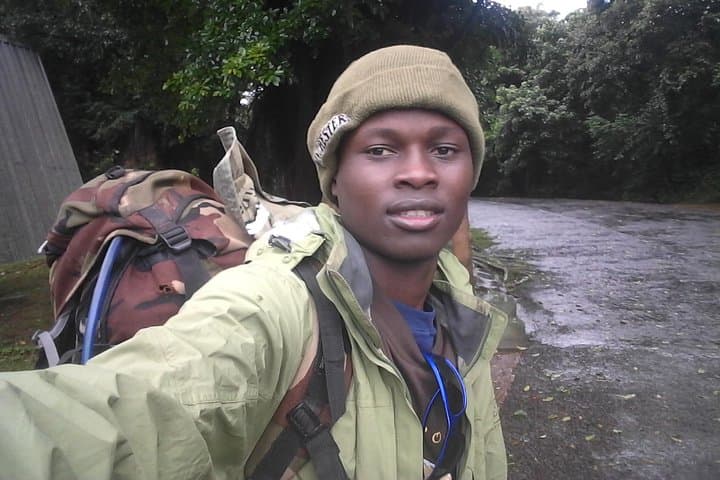
Dawn arrives on the western flank of Kilimanjaro like a slow exhale — mist lifting through moss-draped trees, the trail damp underfoot and colobus monkeys calling overhead. On Majali Tours’ 8-day Lemosho Route you step into that humid forest on Day 2 and climb through ecosystem after ecosystem: rainforest to heather moorland, then lunar lava fields, glaciers and finally the thin, bracing air near Uhuru Peak.
Verified experiences and guided adventures in the surrounding area.
Operated by majali.tours · Moshi, Kilimanjaro
Dawn arrives on the western flank of Kilimanjaro like a slow exhale — mist lifting through moss-draped trees, the trail damp underfoot and colobus monkeys calling overhead. On Majali Tours’ 8-day Lemosho Route you step into that humid forest on Day 2 and climb through ecosystem after ecosystem: rainforest to heather moorland, then lunar lava fields, glaciers and finally the thin, bracing air near Uhuru Peak.
The route slices across the mountain’s western shoulder, crossing the Shira Plateau — an ancient volcanic caldera remnant — and skirting the Rebmann and Ratzel glaciers that crown Kibo. Geologically, Kilimanjaro is three volcanoes stacked through time; the Lemosho track offers one of the most gradual, scenic approaches to the summit, which improves acclimatization and increases summit success.
Culture threads the climb: porters and guides from the Chagga and Meru communities move with practiced efficiency, cooking stews, pitching tents, and reading the mountain’s moods. You’ll camp under clear skies, trade stories with guides who know where the best viewpoints are, and pass through villages where banana terraces cling to steep slopes — a reminder that the mountain feeds and shapes local life.
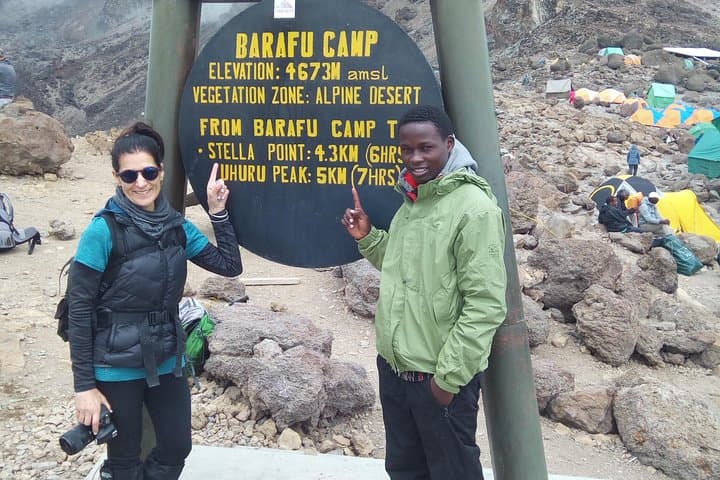
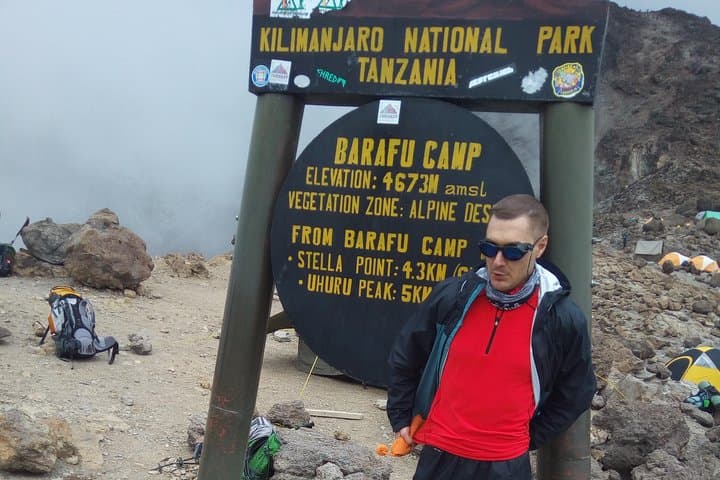
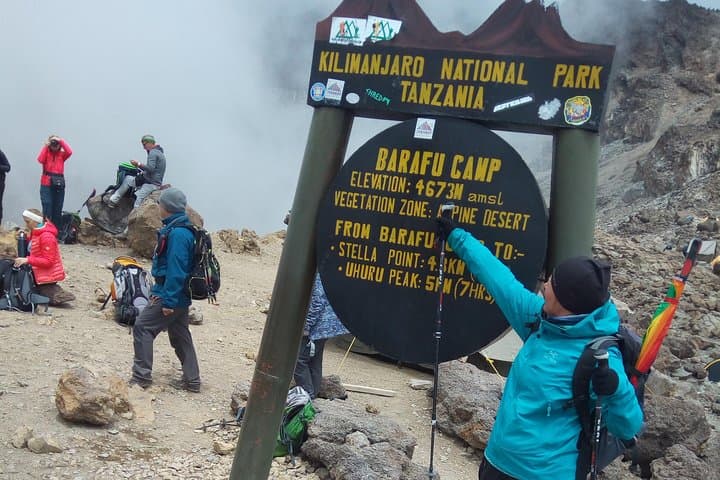
The itinerary is purposeful: hotel briefing on arrival, two nights on the Shira plateau for acclimatization, a crucial stop at the Lava Tower for a mid-trek altitude push, and a night at Barafu before the midnight summit bid. Expect daily hiking between 4–6 hours on approach days, with the summit day stretching 6–10+ hours round trip from Barafu to Uhuru Peak (4,640 m → 5,895 m → Mweka Hut descent).
Practical edge: sleep layers, not weight, and prioritize hydration and a slow, steady pace. Altitude, not technical rock, is the adversary — crampons are rarely required but you should be prepared for snow near the top. Majali includes guide and crew salaries, camping, most meals, park fees and transfers, and offers airport pickup and a final certificate in Moshi. Climbers should be in solid aerobic condition, comfortable carrying a daypack and walking on varied terrain for multiple days.
Timing matters: the dry months (June–September and January–February) offer the best chance of a clear summit sunrise; the long rains (March–May) mean muddy trails and a quieter mountain. Leave room in your kit for warm nights at altitude, and for gratitude — reaching Uhuru Peak is less a conquest than a negotiated conversation with the mountain.
challenging.
8 days (7 nights).
Good cardiovascular fitness with experience on multi-day hikes; able to handle 4–10+ hour days at high altitude
Lemosho is considered one of the more scenic and acclimatization-friendly routes; it’s longer than Marangu or Machame so fitness and patience are essential, but it increases summit odds.
June–September and January–February have the most reliable dry weather and clearer summit sunrises; avoid the long rains (March–May) if you want drier trails.
Most trekkers won’t need crampons on the Lemosho route, though small amounts of snow can appear near the summit; your guide will advise if extra equipment becomes necessary.
Yes—altitude is the primary hazard. The itinerary includes acclimatization days (Shira Plateau, Lava Tower) but listen to guides, ascend slowly, and consider medication like acetazolamide after consulting a physician.
Majali provides camping, meals (breakfasts, lunches, dinners listed), and tent setup by crew; expect simple but hot meals prepared by the team and hotel nights before/after the trek.
Majali supplies trained guides and porters; proper tipping and following local regulations ensures fair treatment — ask the operator for recommended tip ranges before you travel.
Kilimanjaro’s volcanic cones formed over millions of years; local Chagga communities have farmed its slopes for centuries and provide much of the mountain guiding tradition.
Kilimanjaro National Park manages permits and limits; travel with reputable operators who follow Porter Protection rules and carry out waste to reduce environmental impact.
majali.tours operates guided outdoor trips and adventures with an emphasis on safety, stewardship, and memorable experiences.
Dawn arrives on the western flank of Kilimanjaro like a slow exhale — mist lifting through moss-draped trees, the trail damp underfoot and colobus monkeys calling overhead. On Majali Tours’ 8-day Lemosho Route you step into that humid forest on Day 2 and climb through ecosystem after ecosystem: rainforest to heather moorland, then lunar lava fields, glaciers and finally the thin, bracing air near Uhuru Peak.
Dawn arrives on the western flank of Kilimanjaro like a slow exhale — mist lifting through moss-draped trees, the trail damp underfoot and colobus monkeys calling overhead. On Majali Tours’ 8-day Lemosho Route you step into that humid forest on Day 2 and climb through ecosystem after ecosystem: rainforest to heather moorland, then lunar lava fields, glaciers and finally the thin, bracing air near Uhuru Peak.
The route slices across the mountain’s western shoulder, crossing the Shira Plateau — an ancient volcanic caldera remnant — and skirting the Rebmann and Ratzel glaciers that crown Kibo. Geologically, Kilimanjaro is three volcanoes stacked through time; the Lemosho track offers one of the most gradual, scenic approaches to the summit, which improves acclimatization and increases summit success.
Culture threads the climb: porters and guides from the Chagga and Meru communities move with practiced efficiency, cooking stews, pitching tents, and reading the mountain’s moods. You’ll camp under clear skies, trade stories with guides who know where the best viewpoints are, and pass through villages where banana terraces cling to steep slopes — a reminder that the mountain feeds and shapes local life.
The itinerary is purposeful: hotel briefing on arrival, two nights on the Shira plateau for acclimatization, a crucial stop at the Lava Tower for a mid-trek altitude push, and a night at Barafu before the midnight summit bid. Expect daily hiking between 4–6 hours on approach days, with the summit day stretching 6–10+ hours round trip from Barafu to Uhuru Peak (4,640 m → 5,895 m → Mweka Hut descent).
Practical edge: sleep layers, not weight, and prioritize hydration and a slow, steady pace. Altitude, not technical rock, is the adversary — crampons are rarely required but you should be prepared for snow near the top. Majali includes guide and crew salaries, camping, most meals, park fees and transfers, and offers airport pickup and a final certificate in Moshi. Climbers should be in solid aerobic condition, comfortable carrying a daypack and walking on varied terrain for multiple days.
Timing matters: the dry months (June–September and January–February) offer the best chance of a clear summit sunrise; the long rains (March–May) mean muddy trails and a quieter mountain. Leave room in your kit for warm nights at altitude, and for gratitude — reaching Uhuru Peak is less a conquest than a negotiated conversation with the mountain.