THE ADVENTURE COLLECTIVE® · Independent discovery and booking for outdoor travel

Approach Kilimanjaro from the west on the Lemosho Route: a quieter, scenic path that moves through rainforest, the Shira Plateau and alpine desert before a midnight summit push to Uhuru Peak. This eight-day itinerary prioritizes acclimatization and maximizes summit success.
Approach Kilimanjaro from the west on the Lemosho Route: a quieter, scenic path that moves through rainforest, the Shira Plateau and alpine desert before a midnight summit push to Uhuru Peak. This eight-day itinerary prioritizes acclimatization and maximizes summit success.
Book with Eretoto Adventures
Book directly with Eretoto Adventures for the best rates and real-time scheduling.
Reserve NowVerified experiences and guided adventures in the surrounding area.
Operated by Eretoto Adventures · Moshi, Kilimanjaro Region
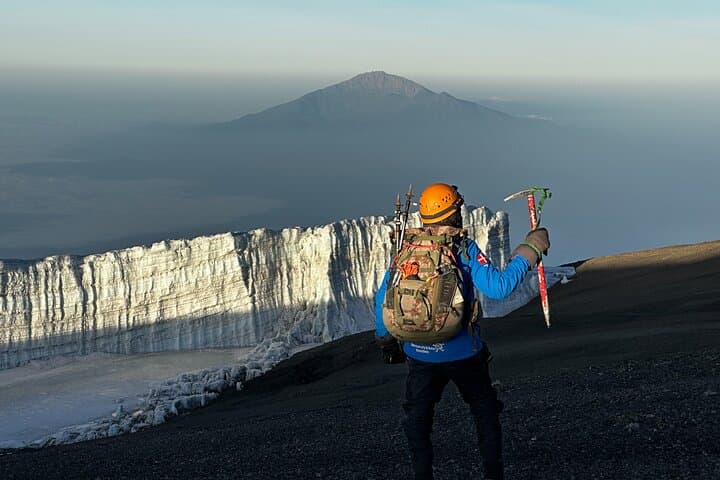
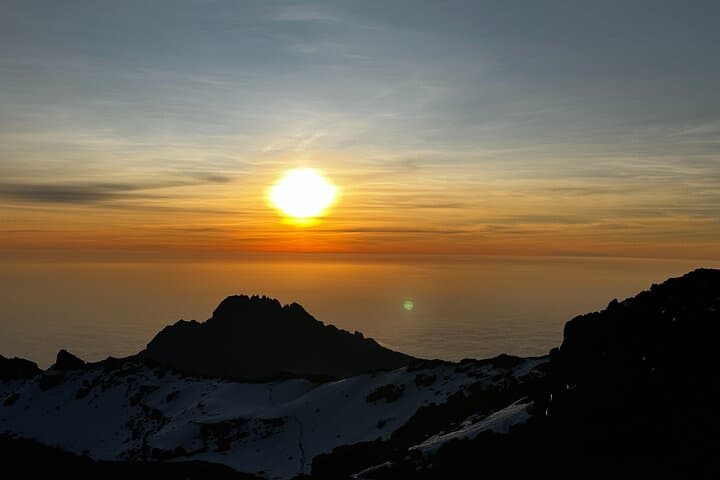
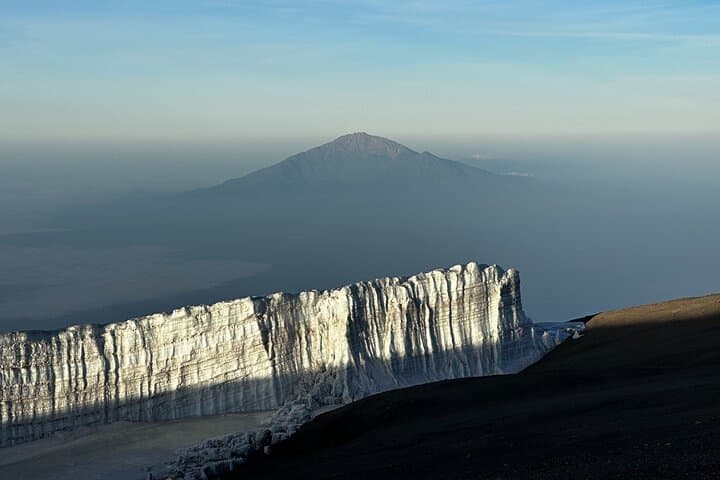
You start under a canopy that still drinks the morning fog — a green throat of moss and strangler figs swallowing the first footsteps. The trail through Londorossi Gate slides quietly uphill, the air cool and damp, and the mountain peeks through breaks in the canopy like a patient giant. Across eight days the forest gives way to heath and moor, then the broad, lunar-burnished Shira Plateau, a jagged lava tower, and the thin-blooded alpine desert that leads to Barafu and, at dawn, Uhuru Peak.
challenging.
7–8 days.
Good aerobic fitness with experience in multi-day hikes; be able to hike 6–8 hours on consecutive days and manage steep, rocky terrain.
The long dry seasons — January–March and June–October — offer the most stable weather and clearer summit windows; shoulder months increase rain and cloud cover.
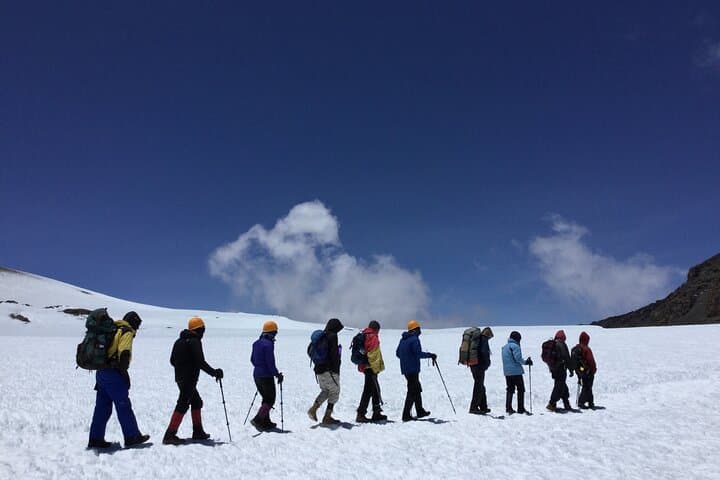
You should have solid aerobic conditioning for multi-day trekking and be comfortable hiking 6–8 hours a day; stair/climb training and long rucksack hikes help.
No technical climbing gear is needed for the Lemosho Route; the route is non-technical but may require scrambling on sections like Barranco Wall.
An 8-day Lemosho itinerary has a high success rate (roughly 85–90%) thanks to gradual acclimatization, but summit success depends on weather and individual response to altitude.
Camps use portable toilet tents and pit latrines at established camps; hygiene standards vary, so bring hand sanitizer and toilet paper.
Yes — Kilimanjaro National Park entry fees and camping/guide fees are required and typically included in organized climbs; confirm what's covered before booking.
Kilimanjaro is a dormant volcano with a long human history; the Chagga people historically farmed its lower slopes and pathways now serve climbers and guides.
All climbers must pay park fees that support trail maintenance and rangers; follow Leave No Trace and use official crew services to reduce ecological impact.
Eretoto Adventures operates guided outdoor trips and adventures with an emphasis on safety, stewardship, and memorable experiences.
Book with Eretoto Adventures
Book directly with Eretoto Adventures for the best rates and real-time scheduling.
Reserve Now