THE ADVENTURE COLLECTIVE® · Independent discovery and booking for outdoor travel

Spend four days walking the wildlife-rich Laikipia Plateau and three days meeting Kenyan grassroots projects in Nairobi. This 8-day itinerary blends tailored safaris with meaningful community visits to women’s centres, grandmother cooperatives and a Maasai village.
Spend four days walking the wildlife-rich Laikipia Plateau and three days meeting Kenyan grassroots projects in Nairobi. This 8-day itinerary blends tailored safaris with meaningful community visits to women’s centres, grandmother cooperatives and a Maasai village.
Dawn lifts slowly over the Laikipia Plateau: a pale band of light tracing the granite kopjes while giraffe silhouettes peel away from a nearby salt lick. The air smells of dry grass and dust; a distant herd bellows, and a guide—clad in colorful shuka and carrying binoculars—listens for a change in the wind. Over the next eight days you’ll move between this open bush country and the crowded lanes of Nairobi, alternating deliberate quiet on walking safaris with the bright, human rhythms of grassroots projects that anchor this trip.
Verified experiences and guided adventures in the surrounding area.
Operated by One Horizon Africa · Nanyuki, Laikipia County
Dawn lifts slowly over the Laikipia Plateau: a pale band of light tracing the granite kopjes while giraffe silhouettes peel away from a nearby salt lick. The air smells of dry grass and dust; a distant herd bellows, and a guide—clad in colorful shuka and carrying binoculars—listens for a change in the wind. Over the next eight days you’ll move between this open bush country and the crowded lanes of Nairobi, alternating deliberate quiet on walking safaris with the bright, human rhythms of grassroots projects that anchor this trip.
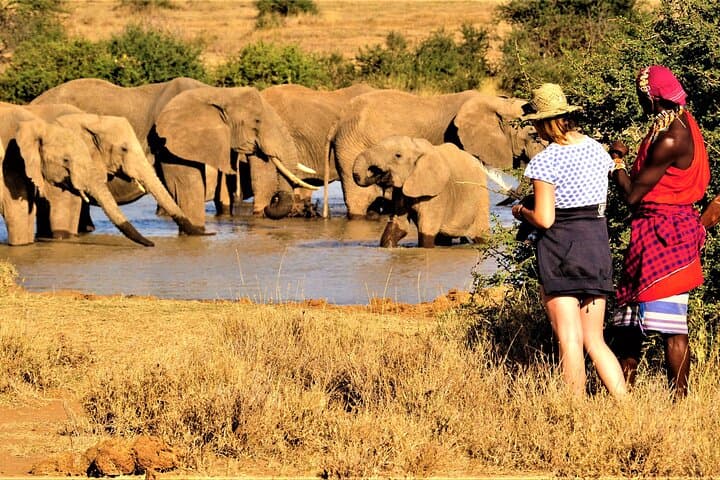
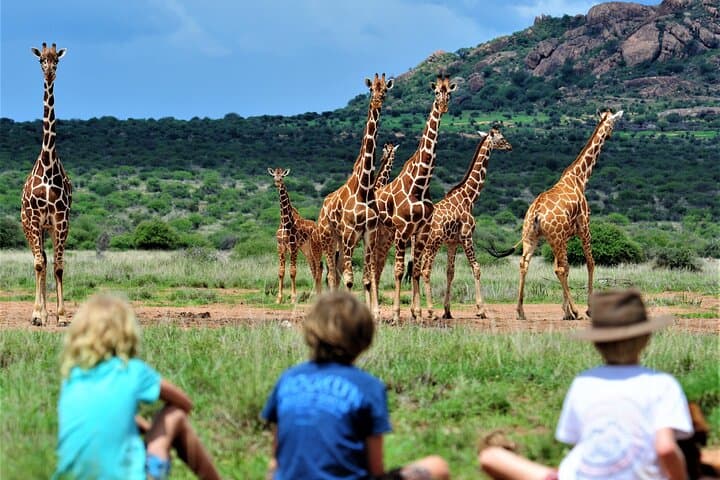
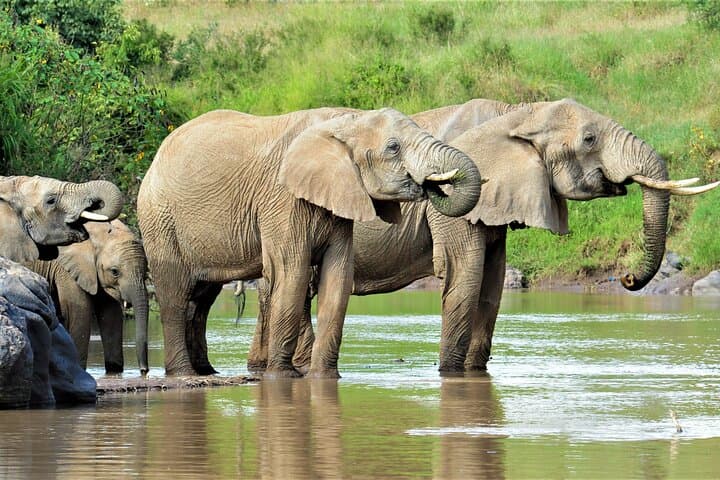
Laikipia sits north of Mount Kenya, a flat, windswept plateau carved by ancient volcanism and the erosive forces of seasonal rivers. Granite outcrops, called kopjes, punctuate the grasslands and serve as watchposts for both predator and prey. The region’s ecology supports a high density of wildlife—Grevy’s zebra, eland, reticulated giraffe and, if luck favors you, elephant and wild dog. Conservation here is unusual: landowners, local Samburu and Maasai communities, and conservancies collaborate to balance pastoral livelihoods with protected corridors for wildlife.
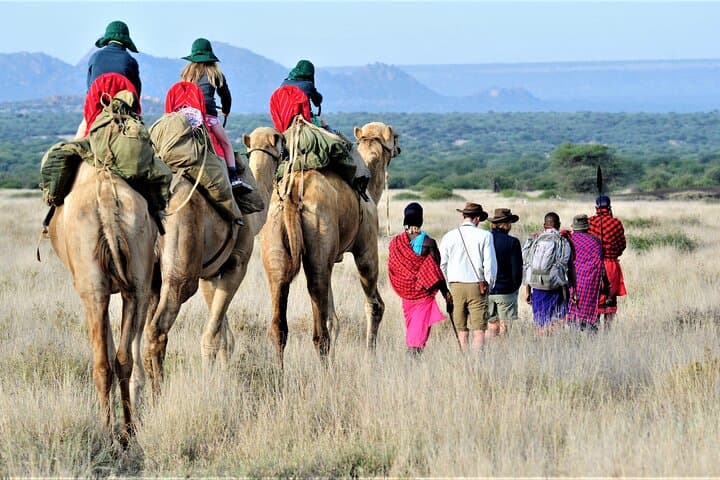
The tour is local first. Four days are spent at a small camp on private conservancy land where walking safaris, camel rides and vehicle game drives are tailored to fitness and curiosity. Guides are often from Laikipia’s Samburu and Maasai communities, offering firsthand knowledge of tracking, medicinal plants and cultural practice. The second half of the trip returns to Nairobi for three days of community visits: a women’s vocational training center, a Kikuyu grandmother cooperative with small-scale pig farming, and a Maasai village where you can learn traditional beadwork and witness an adumu dance.
Practical clearances: internal flights from Wilson to Nanyuki take roughly 45 minutes followed by a two-hour transfer to the camp. Accommodation alternates between a rustic, low-footprint tented camp and a comfortable Nairobi hotel. Expect early starts for wildlife activity, dry daytime heat and cooler nights; moderate fitness is recommended for walks and uneven terrain.
Tips to plan: pack layered clothing, a sturdy pair of boots and a small daypack; bring insect repellent and a refillable water bottle. Medical prep should include routine vaccinations and malaria prophylaxis as advised by your clinic. Respectful engagement matters—ask before photographing locals and follow guides’ instructions near wildlife.
This is not a rush of trophy sightings and luxury resorts: it’s a measured exchange that pairs unforgettable bush moments with the tangible benefit of supporting training programs and income-generating projects for Kenyan communities. For travelers who want to see wildlife and leave a positive footprint, this eight-day route offers both wide-open country and the kind of cultural connection that stays with you long after the flight home.
moderate.
8 days.
Moderate—able to walk uneven terrain for up to 3–4 hours and tolerate early starts and dusty conditions
The tour includes return flights from Wilson Airport (Nairobi) to Nanyuki—about 45 minutes—timed to meet transfers; luggage weight limits apply so pack light and check with the operator.
Malaria risk exists in parts of Kenya; consult a travel health clinic for personalized advice and bring insect repellent and a long-sleeved shirt for evenings.
Walking safaris are tailored to ability—expect 1–4 hour walks on flat to undulating bushland; if you prefer, vehicle game drives and camel rides are available.
Yes—children can participate, but activities involve rural settings and close contact with local families; parental supervision and sensitivity to customs are advised.
Tipping is discretionary but customary; carry small notes to tip guides, camp staff and drivers—rough guideline: $5–10/day for lead guide, smaller amounts for support staff.
Yes—meals are mostly home-cooked and operators can usually accommodate common dietary needs with advance notice; specify allergies during booking.
Laikipia’s ranching and conservancy model evolved in the late 20th century as landowners and local communities forged partnerships to protect migration routes while sustaining pastoral livelihoods.
The conservancies emphasize low-impact tourism and community revenue-sharing—your visit supports local guides, anti-poaching patrols and vocational programs.
One Horizon Africa operates guided outdoor trips and adventures with an emphasis on safety, stewardship, and memorable experiences.
Dawn lifts slowly over the Laikipia Plateau: a pale band of light tracing the granite kopjes while giraffe silhouettes peel away from a nearby salt lick. The air smells of dry grass and dust; a distant herd bellows, and a guide—clad in colorful shuka and carrying binoculars—listens for a change in the wind. Over the next eight days you’ll move between this open bush country and the crowded lanes of Nairobi, alternating deliberate quiet on walking safaris with the bright, human rhythms of grassroots projects that anchor this trip.
Dawn lifts slowly over the Laikipia Plateau: a pale band of light tracing the granite kopjes while giraffe silhouettes peel away from a nearby salt lick. The air smells of dry grass and dust; a distant herd bellows, and a guide—clad in colorful shuka and carrying binoculars—listens for a change in the wind. Over the next eight days you’ll move between this open bush country and the crowded lanes of Nairobi, alternating deliberate quiet on walking safaris with the bright, human rhythms of grassroots projects that anchor this trip.
Laikipia sits north of Mount Kenya, a flat, windswept plateau carved by ancient volcanism and the erosive forces of seasonal rivers. Granite outcrops, called kopjes, punctuate the grasslands and serve as watchposts for both predator and prey. The region’s ecology supports a high density of wildlife—Grevy’s zebra, eland, reticulated giraffe and, if luck favors you, elephant and wild dog. Conservation here is unusual: landowners, local Samburu and Maasai communities, and conservancies collaborate to balance pastoral livelihoods with protected corridors for wildlife.
The tour is local first. Four days are spent at a small camp on private conservancy land where walking safaris, camel rides and vehicle game drives are tailored to fitness and curiosity. Guides are often from Laikipia’s Samburu and Maasai communities, offering firsthand knowledge of tracking, medicinal plants and cultural practice. The second half of the trip returns to Nairobi for three days of community visits: a women’s vocational training center, a Kikuyu grandmother cooperative with small-scale pig farming, and a Maasai village where you can learn traditional beadwork and witness an adumu dance.
Practical clearances: internal flights from Wilson to Nanyuki take roughly 45 minutes followed by a two-hour transfer to the camp. Accommodation alternates between a rustic, low-footprint tented camp and a comfortable Nairobi hotel. Expect early starts for wildlife activity, dry daytime heat and cooler nights; moderate fitness is recommended for walks and uneven terrain.
Tips to plan: pack layered clothing, a sturdy pair of boots and a small daypack; bring insect repellent and a refillable water bottle. Medical prep should include routine vaccinations and malaria prophylaxis as advised by your clinic. Respectful engagement matters—ask before photographing locals and follow guides’ instructions near wildlife.
This is not a rush of trophy sightings and luxury resorts: it’s a measured exchange that pairs unforgettable bush moments with the tangible benefit of supporting training programs and income-generating projects for Kenyan communities. For travelers who want to see wildlife and leave a positive footprint, this eight-day route offers both wide-open country and the kind of cultural connection that stays with you long after the flight home.