THE ADVENTURE COLLECTIVE® · Independent discovery and booking for outdoor travel

An eight-day, three-island Galápagos circuit that balances wild encounters with practical planning. Snorkel at Kicker Rock, kayak with sea lions in Puerto Villamil, and study giant tortoises and flamingos—on a budget but not on experience.
An eight-day, three-island Galápagos circuit that balances wild encounters with practical planning. Snorkel at Kicker Rock, kayak with sea lions in Puerto Villamil, and study giant tortoises and flamingos—on a budget but not on experience.
The first inhale of Galápagos air is salt and sun—sharp and immediate. On San Cristóbal's coast, frigatebirds quarter the thermals above Frigatebird Hill while a speedboat's wake sketches the horizon. The archipelago does not wait; its animals move with blunt, unbothered intent—a sea lion will flop across a beach as if the sand were its sofa, and a marine iguana will stare you down like a small, armored philosopher.
Verified experiences and guided adventures in the surrounding area.
Operated by Takiri Travel · Puerto Ayora, Galápagos
The first inhale of Galápagos air is salt and sun—sharp and immediate. On San Cristóbal's coast, frigatebirds quarter the thermals above Frigatebird Hill while a speedboat's wake sketches the horizon. The archipelago does not wait; its animals move with blunt, unbothered intent—a sea lion will flop across a beach as if the sand were its sofa, and a marine iguana will stare you down like a small, armored philosopher.
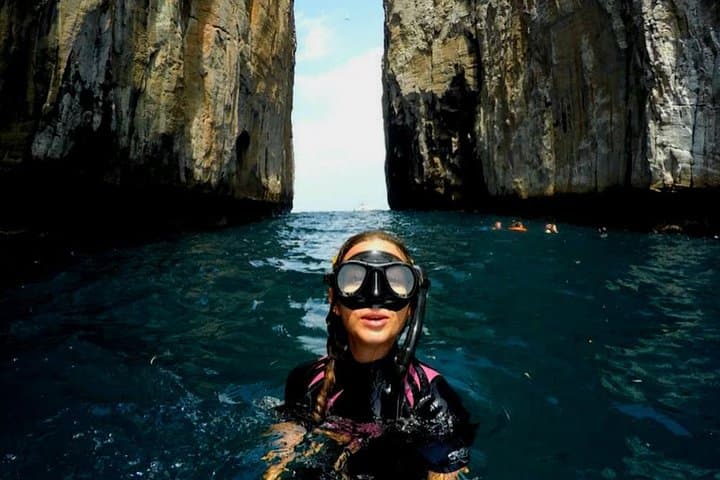
This eight-day budget circuit threads three islands—San Cristóbal, Santa Cruz and Isabela—into a compact primer on Darwin's laboratory. Geologically, the islands are volcanic spines rising from the Nazca Plate; Kicker Rock (León Dormido) is a weathered remnant of a volcanic cone, its twin towers framing a deep channel that funnels nutrient-rich currents and, with them, life. Culturally the towns are small and maritime: fishermen, guides and research staff share tales of giant tortoises and finches at cafes where the coffee is as strong as the sun.
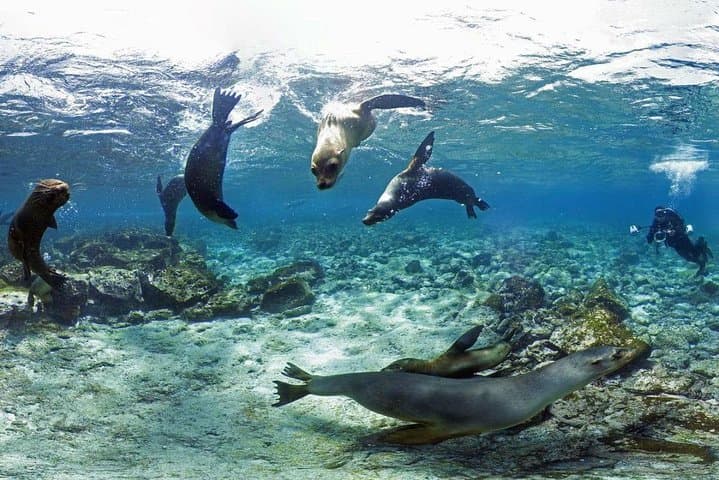
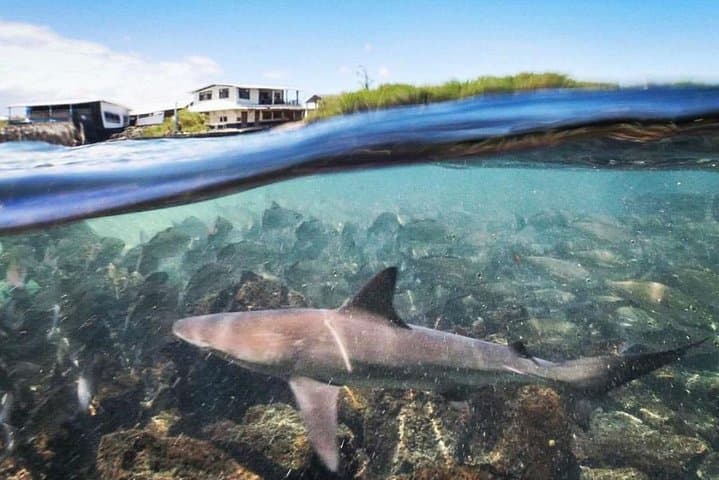
Wildlife is the itinerary's protagonist. Snorkeling at Kicker Rock brings the choreography—schools of fish scatter, sea lions dart like commas, and the occasional hammerhead glides like a dark thought through blue. At Los Tuneles, lava arches hollowed by waves create a cathedral for wildlife: penguins, rays and harmless white-tipped reef sharks tuck into rocky alcoves. On Isabela, wetlands hold flamingos in shallow mirrors; highland paths wind past free-roaming tortoises that seem to measure time in steps rather than minutes.
Practicalities matter: the trip requires inter-island boat transfers (expect open, sometimes choppy rides), bilingual naturalist guides, and a moderate fitness level for short hikes, snorkeling and occasional kayaking. Snorkeling gear and bikes are included; accommodations are tourist-class hotels. Travelers must arrive at San Cristóbal before 13:00 and depart from Baltra after 12:30. Bring reef-safe sunscreen, a snug snorkel mask, and a dry bag for boat days. Hydration and shade are non-negotiable—the equatorial sun will burn even on an overcast morning.
For photographers, golden hour softens volcanic ridges and turns flamingo lagoons into pink glass. Move slowly around wildlife, let sea lions choose their distance, and frame wide for the dramatic rock formations. Above all, travel lightly and respectfully: these islands are fragile experiments in evolution—the best souvenir is a memory left without footprints.
moderate.
8 days.
Moderate—able to do short hikes (30–90 minutes), several snorkel sessions, and handle stairs and uneven ground.
You should be comfortable in open water and able to swim short distances; guides stay close and life vests are available for less confident swimmers.
Yes—mask and fins are provided for all snorkeling activities, though bringing a personal mask is recommended for comfort.
Arrive to San Cristóbal before 13:00 on day one and schedule departures from Baltra after 12:30 on day eight to match transfer logistics.
Accommodations are tourist‑class hotels—clean and centrally located but not luxury; they balance comfort with budget pricing.
Yes—Isabela and Santa Cruz highlands are reliable places to see tortoises in semi‑wild settings and conservation farms.
Families with older children who can swim are common, but infants and toddlers should be planned for carefully due to boat transfers and active days.
The islands are volcanic in origin and were central to Charles Darwin’s observations in 1835; research stations on Santa Cruz now manage breeding and conservation efforts.
Strict park regulations limit interaction and require reef‑safe products; follow guide instructions to minimize impact on nesting sites and marine habitats.
Takiri Travel operates guided outdoor trips and adventures with an emphasis on safety, stewardship, and memorable experiences.
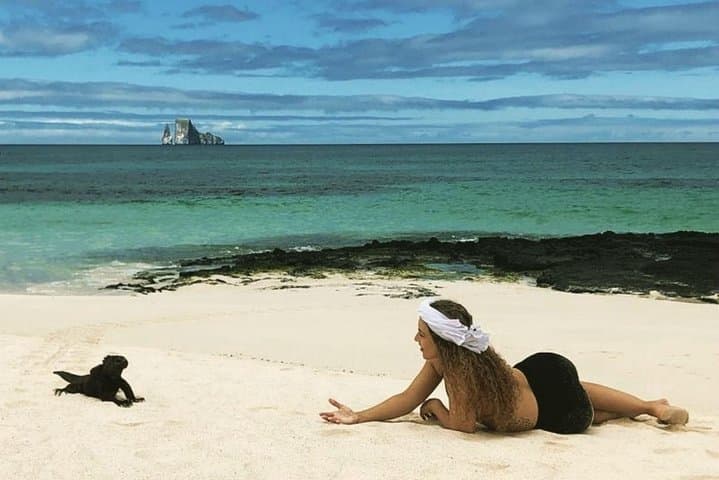
The first inhale of Galápagos air is salt and sun—sharp and immediate. On San Cristóbal's coast, frigatebirds quarter the thermals above Frigatebird Hill while a speedboat's wake sketches the horizon. The archipelago does not wait; its animals move with blunt, unbothered intent—a sea lion will flop across a beach as if the sand were its sofa, and a marine iguana will stare you down like a small, armored philosopher.
The first inhale of Galápagos air is salt and sun—sharp and immediate. On San Cristóbal's coast, frigatebirds quarter the thermals above Frigatebird Hill while a speedboat's wake sketches the horizon. The archipelago does not wait; its animals move with blunt, unbothered intent—a sea lion will flop across a beach as if the sand were its sofa, and a marine iguana will stare you down like a small, armored philosopher.
This eight-day budget circuit threads three islands—San Cristóbal, Santa Cruz and Isabela—into a compact primer on Darwin's laboratory. Geologically, the islands are volcanic spines rising from the Nazca Plate; Kicker Rock (León Dormido) is a weathered remnant of a volcanic cone, its twin towers framing a deep channel that funnels nutrient-rich currents and, with them, life. Culturally the towns are small and maritime: fishermen, guides and research staff share tales of giant tortoises and finches at cafes where the coffee is as strong as the sun.
Wildlife is the itinerary's protagonist. Snorkeling at Kicker Rock brings the choreography—schools of fish scatter, sea lions dart like commas, and the occasional hammerhead glides like a dark thought through blue. At Los Tuneles, lava arches hollowed by waves create a cathedral for wildlife: penguins, rays and harmless white-tipped reef sharks tuck into rocky alcoves. On Isabela, wetlands hold flamingos in shallow mirrors; highland paths wind past free-roaming tortoises that seem to measure time in steps rather than minutes.
Practicalities matter: the trip requires inter-island boat transfers (expect open, sometimes choppy rides), bilingual naturalist guides, and a moderate fitness level for short hikes, snorkeling and occasional kayaking. Snorkeling gear and bikes are included; accommodations are tourist-class hotels. Travelers must arrive at San Cristóbal before 13:00 and depart from Baltra after 12:30. Bring reef-safe sunscreen, a snug snorkel mask, and a dry bag for boat days. Hydration and shade are non-negotiable—the equatorial sun will burn even on an overcast morning.
For photographers, golden hour softens volcanic ridges and turns flamingo lagoons into pink glass. Move slowly around wildlife, let sea lions choose their distance, and frame wide for the dramatic rock formations. Above all, travel lightly and respectfully: these islands are fragile experiments in evolution—the best souvenir is a memory left without footprints.