THE ADVENTURE COLLECTIVE® · Independent discovery and booking for outdoor travel

A seven‑day private loop from Amman to Petra, Wadi Rum and the Dead Sea that balances major sites with local nuance. Travel ancient Roman streets, float in the Dead Sea, and explore Nabataean Petra with time to breathe and discover.
A seven‑day private loop from Amman to Petra, Wadi Rum and the Dead Sea that balances major sites with local nuance. Travel ancient Roman streets, float in the Dead Sea, and explore Nabataean Petra with time to breathe and discover.
The minivan eases out of Queen Alia Airport as dawn tightens around Amman and the driver points out low, ochre hills that shelter the capital. Over the next seven days the country opens like a series of chapters: a Roman colonnade that still echoes with footsteps, mosaic floors that map ancient worldviews, a canyon that channels your pace down to the very stone, and a desert so wide the sky seems to press its palms flat against the earth.
Verified experiences and guided adventures in the surrounding area.
Operated by Elegant Limo Jordan · Amman, Amman Governorate
The minivan eases out of Queen Alia Airport as dawn tightens around Amman and the driver points out low, ochre hills that shelter the capital. Over the next seven days the country opens like a series of chapters: a Roman colonnade that still echoes with footsteps, mosaic floors that map ancient worldviews, a canyon that channels your pace down to the very stone, and a desert so wide the sky seems to press its palms flat against the earth.
Start slow: a 30‑minute transfer from the airport and a night in Amman to recalibrate. From there the route pulls north to Ajloun’s pine-shaded ridges and the ruined towers of an Ayyubid castle, then drops into Jerash — a Greco‑Roman city with a cardo and oval plaza preserved almost intact (Jerash sits about 48 km/30 miles north of Amman). The itinerary threads through Umayyad desert castles — Qasr Amra’s frescoes and Qasr Kharana’s austere silhouette — offering a glimpse of early Islamic court life and desert logistics.
Midweek, Madaba’s 6th‑century mosaic map leads you to Mount Nebo (≈817 m elevation), where panoramic views sweep across the Jordan Valley and the Dead Sea. Floating in the Dead Sea — roughly 430 meters below sea level — is both absurd and recommended: salt will buoy you, but don’t shave and avoid splashing your face.
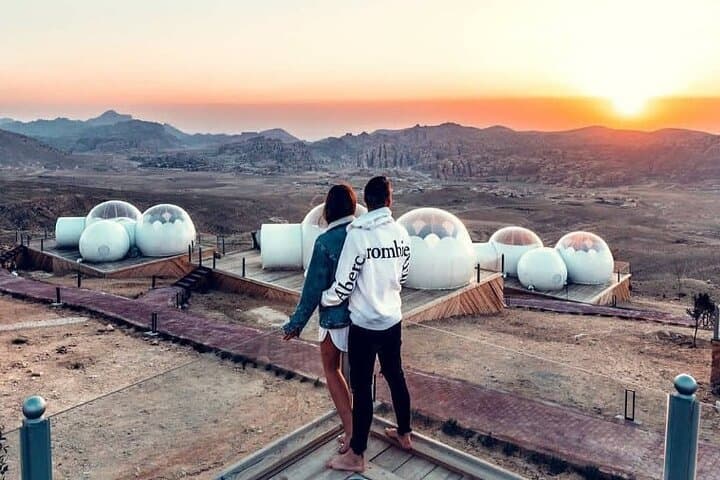
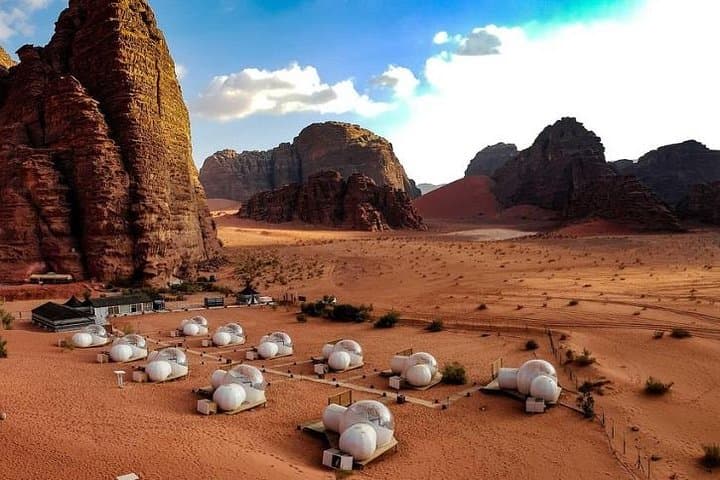
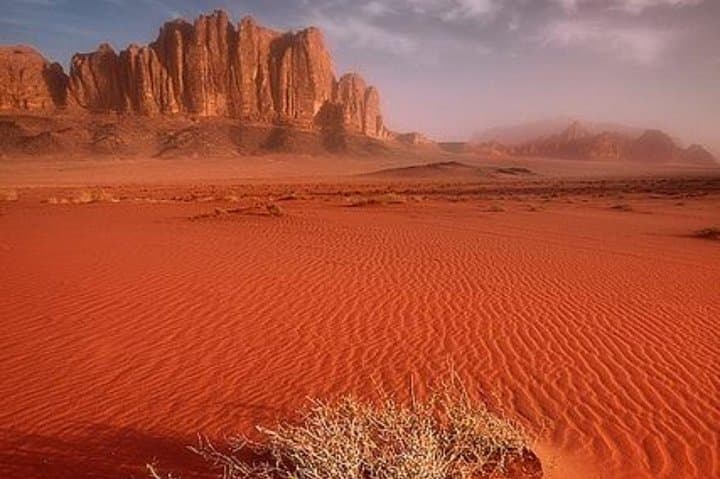
Petra requires footwear and time. The Siq is a 1.2 km slot of slow revelation; the Treasury appears like a city emerging from the rock, but the site is extensive — plan for 4–6 hours if you want to climb to the High Place of Sacrifice (expect several hundred meters of elevation change on worn stone steps). From Petra it’s a short drive (about 80 km / 50 miles) into Wadi Rum’s desert, where 4x4s thread tracks between sandstone towers and Bedouin camps offer evenings of slow tea and stories.
Practical edge: distances in Jordan are deceptive — roads are good but mountainous sections add time. Carry at least 3 liters of water per person on days in Petra and Wadi Rum, wear sturdy hiking shoes, and bring a sunhat and lightweight layers for wide diurnal swings. Respect local customs: dress modestly in towns and ask before photographing people.
This private loop packs history, geology and Bedouin hospitality into seven days without forcing a marathon pace. It’s a trip designed for travelers who want to move beyond postcard views and come away with a clear map of how Jordan’s landscapes and cultures fit together — layer by human layer, canyon by canyon.
moderate.
7 days.
Moderate fitness—able to walk several hours with uneven footing and tolerate day-long sightseeing
Many nationalities can obtain a visa on arrival; check current entry rules and ensure your passport has at least six months validity.
Expect 4–6 hours of walking to see the main monuments; add time and effort if you climb to viewpoints like the High Place of Sacrifice.
Leisure time at the Dead Sea is included; access may be to a public beach or hotel resort depending on your booking option.
Overnight stays and meals are included and vary by chosen hotel rating (3*–5* options available).
This is a private tour and can be tailored—speak with the operator about optional jeep tours or extended stays in Petra or Wadi Rum.
Jordan is generally stable and welcoming to visitors; follow local advice, respect customs, and stay on marked roads at night.
Jordan’s sites span eras: Nabataean Petra (6th century BCE onward), Roman Jerash, and Umayyad desert castles reflecting early Islamic court life.
Tourism supports fragile sites and local communities—stick to marked paths in Petra, avoid removing artifacts, and support local guides and Bedouin camps.
Elegant Limo Jordan operates guided outdoor trips and adventures with an emphasis on safety, stewardship, and memorable experiences.
The minivan eases out of Queen Alia Airport as dawn tightens around Amman and the driver points out low, ochre hills that shelter the capital. Over the next seven days the country opens like a series of chapters: a Roman colonnade that still echoes with footsteps, mosaic floors that map ancient worldviews, a canyon that channels your pace down to the very stone, and a desert so wide the sky seems to press its palms flat against the earth.
The minivan eases out of Queen Alia Airport as dawn tightens around Amman and the driver points out low, ochre hills that shelter the capital. Over the next seven days the country opens like a series of chapters: a Roman colonnade that still echoes with footsteps, mosaic floors that map ancient worldviews, a canyon that channels your pace down to the very stone, and a desert so wide the sky seems to press its palms flat against the earth.
Start slow: a 30‑minute transfer from the airport and a night in Amman to recalibrate. From there the route pulls north to Ajloun’s pine-shaded ridges and the ruined towers of an Ayyubid castle, then drops into Jerash — a Greco‑Roman city with a cardo and oval plaza preserved almost intact (Jerash sits about 48 km/30 miles north of Amman). The itinerary threads through Umayyad desert castles — Qasr Amra’s frescoes and Qasr Kharana’s austere silhouette — offering a glimpse of early Islamic court life and desert logistics.
Midweek, Madaba’s 6th‑century mosaic map leads you to Mount Nebo (≈817 m elevation), where panoramic views sweep across the Jordan Valley and the Dead Sea. Floating in the Dead Sea — roughly 430 meters below sea level — is both absurd and recommended: salt will buoy you, but don’t shave and avoid splashing your face.
Petra requires footwear and time. The Siq is a 1.2 km slot of slow revelation; the Treasury appears like a city emerging from the rock, but the site is extensive — plan for 4–6 hours if you want to climb to the High Place of Sacrifice (expect several hundred meters of elevation change on worn stone steps). From Petra it’s a short drive (about 80 km / 50 miles) into Wadi Rum’s desert, where 4x4s thread tracks between sandstone towers and Bedouin camps offer evenings of slow tea and stories.
Practical edge: distances in Jordan are deceptive — roads are good but mountainous sections add time. Carry at least 3 liters of water per person on days in Petra and Wadi Rum, wear sturdy hiking shoes, and bring a sunhat and lightweight layers for wide diurnal swings. Respect local customs: dress modestly in towns and ask before photographing people.
This private loop packs history, geology and Bedouin hospitality into seven days without forcing a marathon pace. It’s a trip designed for travelers who want to move beyond postcard views and come away with a clear map of how Jordan’s landscapes and cultures fit together — layer by human layer, canyon by canyon.