THE ADVENTURE COLLECTIVE® · Independent discovery and booking for outdoor travel

Seven days on the Machame Route is a progressive climb from rainforest to glacier, designed to maximize acclimatization while delivering dramatic views and a true summit experience. This guided group trek from Moshi balances logistics, local crew support, and practical pacing to give hikers the best shot at Uhuru Peak.
Seven days on the Machame Route is a progressive climb from rainforest to glacier, designed to maximize acclimatization while delivering dramatic views and a true summit experience. This guided group trek from Moshi balances logistics, local crew support, and practical pacing to give hikers the best shot at Uhuru Peak.
At first light the forest breathes mist across a narrow trail; porters shoulder canvas and laughter, guides consult maps worn soft by weather. The Machame Route begins below the cloud line, climbing from dense rainforest into high moorland, across a volcanic plateau and finally up scree slopes toward Uhuru Peak. For a week you move through shifting climates as the mountain tests pace and patience in equal measure.
Verified experiences and guided adventures in the surrounding area.
Operated by AFRICA NATURAL TOURS · Moshi, Kilimanjaro Region
At first light the forest breathes mist across a narrow trail; porters shoulder canvas and laughter, guides consult maps worn soft by weather. The Machame Route begins below the cloud line, climbing from dense rainforest into high moorland, across a volcanic plateau and finally up scree slopes toward Uhuru Peak. For a week you move through shifting climates as the mountain tests pace and patience in equal measure.
Geology and history are visible in layers: the green band of montane forest gives way to heather and then to the lava-scarred Shira Plateau, a remnant of Kilimanjaro’s restless volcanic past. Maasai and Chagga communities have long lived on the lower flanks; villages like Machame offer a glimpse of agricultural life that powers local guiding economies. By day three the route passes the Lava Tower — a rusty tooth of cooled lava — and on summit night the Rebmann and Ratzel glaciers frame the route, reminders that this equatorial summit holds alpine conditions.
The Machame itinerary traded in this package balances acclimatization with scenery: average daily gains range from a few hundred to more than 1,500 meters on summit push night. Terrain shifts from muddy rainforest tracks and braided roots to loose scree and exposed alpine desert; gaiters and trekking poles are almost as important as boots. Porters carry the camp life—tents, food, and stoves—so hikers can focus on rhythm and breathing, but every step higher demands steady pacing and respect for the altitude.
Practical guidance: aim for slow, consistent ascents and sleep moderately high where possible to help acclimatize. Hydration is critical—carry a 1–2 liter bottle and drink often; the air is dry above 3,000 m. Layering is essential: mornings and nights can be bitter even at the equator. Summit night begins around midnight; a reliable headlamp, insulated jacket, and mitts are non-negotiable. Footwear should be stiff-soled and well-broken-in to handle both boggy lower trails and rocky upper slopes.
Logistics are straightforward: most groups depart from Moshi and return to Mweka Gate to receive certificates. Meals are provided on the mountain and dietary needs can be accommodated, but bring personal snacks and electrolytes. Be realistic about fitness—regular cardio and long hikes with weight will make the difference. If you want the most photographic moments, plan to capture sunrise from Stella Point or the summit; the low-angle light highlights ridgelines and glacier faces.
The Machame Route is a test and a reward: comradery around the dining tent, the silent summit approach, and the final descent that lets the mountain release you back to Moshi. Treat the climb as measured effort, respect the living mountain, and the peak will feel earned rather than granted.
challenging.
7 days.
Regular cardiovascular training and several long day-hikes with pack weight (6–12 kg) in the months before the trip will greatly improve success odds.
Moderate to high fitness is recommended—regular aerobic training and multi-hour hikes with a daypack will prepare you for long summit night efforts.
No technical climbing skills are required; the route is non-technical but involves steep scree and exposed sections where stamina matters.
Consult a travel clinic for current advice; routine vaccinations plus malaria prophylaxis depending on season and your itinerary are commonly recommended.
Yes—this tour includes meals on the mountain and group camping equipment; personal sleeping bags are usually required unless otherwise stated.
Dry months (January–March and June–October) generally offer more stable conditions and clearer summit views, though weather can change any time of year.
Many operators allow private guides or extra porter support for gear; request this at booking and note any weight limits for porter loads.
Chagga and Maasai communities have long inhabited Kilimanjaro’s foothills; guiding and porter traditions on the mountain evolved into a key local economy in the 20th century.
Mount Kilimanjaro National Park protects fragile high-altitude habitats; stick to established trails, avoid single-use plastics, and use operator-provided porters to minimize local ecological impact.
AFRICA NATURAL TOURS operates guided outdoor trips and adventures with an emphasis on safety, stewardship, and memorable experiences.
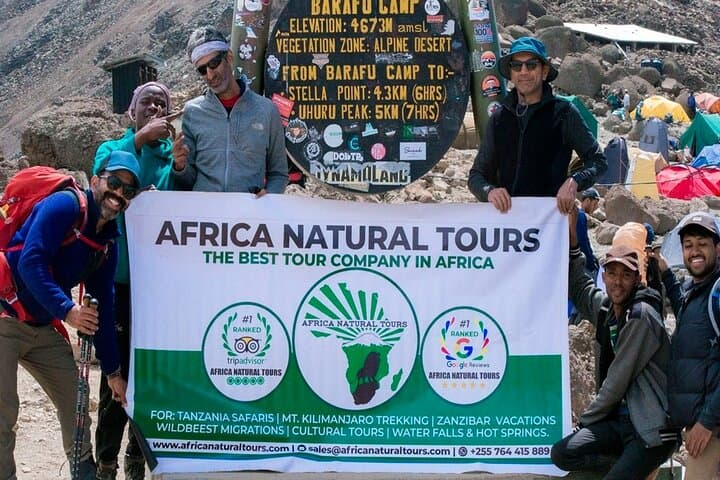
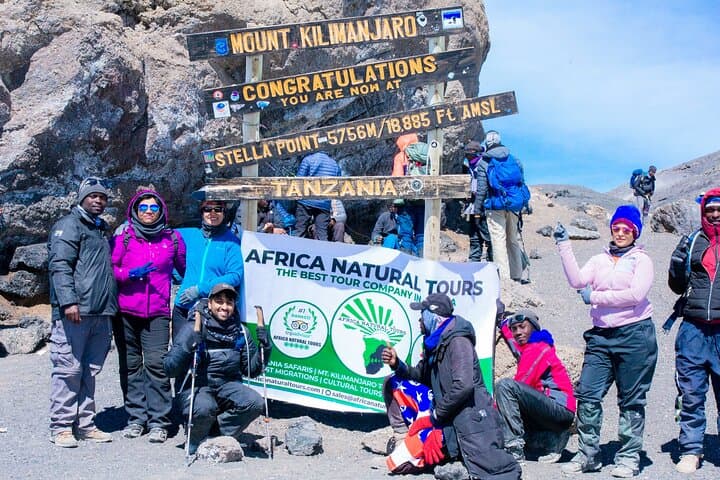
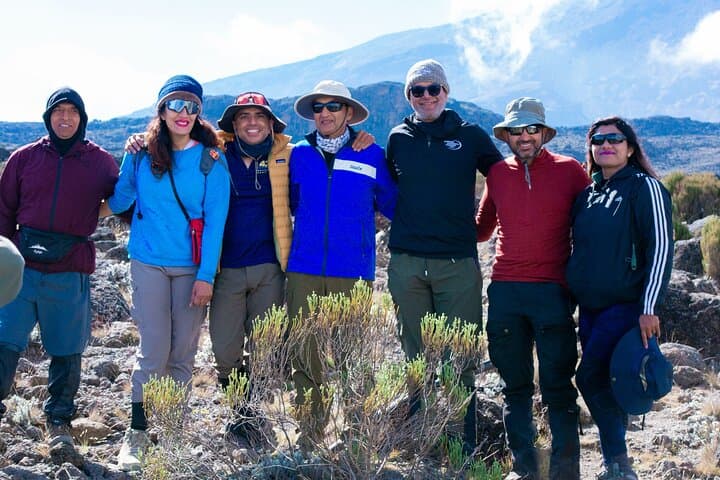
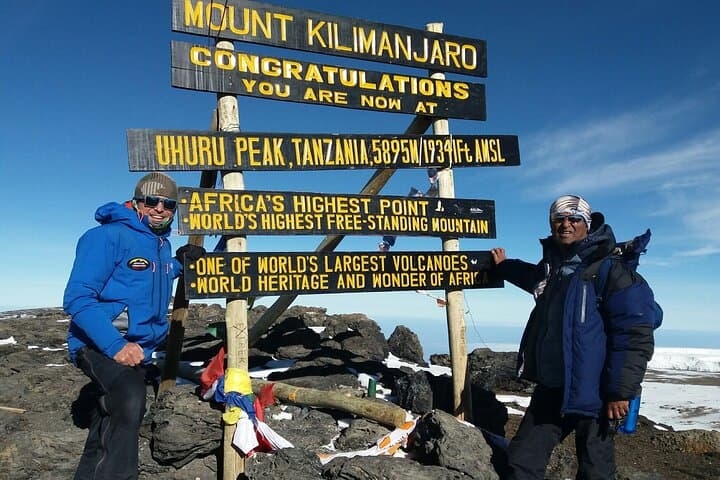
At first light the forest breathes mist across a narrow trail; porters shoulder canvas and laughter, guides consult maps worn soft by weather. The Machame Route begins below the cloud line, climbing from dense rainforest into high moorland, across a volcanic plateau and finally up scree slopes toward Uhuru Peak. For a week you move through shifting climates as the mountain tests pace and patience in equal measure.
At first light the forest breathes mist across a narrow trail; porters shoulder canvas and laughter, guides consult maps worn soft by weather. The Machame Route begins below the cloud line, climbing from dense rainforest into high moorland, across a volcanic plateau and finally up scree slopes toward Uhuru Peak. For a week you move through shifting climates as the mountain tests pace and patience in equal measure.
Geology and history are visible in layers: the green band of montane forest gives way to heather and then to the lava-scarred Shira Plateau, a remnant of Kilimanjaro’s restless volcanic past. Maasai and Chagga communities have long lived on the lower flanks; villages like Machame offer a glimpse of agricultural life that powers local guiding economies. By day three the route passes the Lava Tower — a rusty tooth of cooled lava — and on summit night the Rebmann and Ratzel glaciers frame the route, reminders that this equatorial summit holds alpine conditions.
The Machame itinerary traded in this package balances acclimatization with scenery: average daily gains range from a few hundred to more than 1,500 meters on summit push night. Terrain shifts from muddy rainforest tracks and braided roots to loose scree and exposed alpine desert; gaiters and trekking poles are almost as important as boots. Porters carry the camp life—tents, food, and stoves—so hikers can focus on rhythm and breathing, but every step higher demands steady pacing and respect for the altitude.
Practical guidance: aim for slow, consistent ascents and sleep moderately high where possible to help acclimatize. Hydration is critical—carry a 1–2 liter bottle and drink often; the air is dry above 3,000 m. Layering is essential: mornings and nights can be bitter even at the equator. Summit night begins around midnight; a reliable headlamp, insulated jacket, and mitts are non-negotiable. Footwear should be stiff-soled and well-broken-in to handle both boggy lower trails and rocky upper slopes.
Logistics are straightforward: most groups depart from Moshi and return to Mweka Gate to receive certificates. Meals are provided on the mountain and dietary needs can be accommodated, but bring personal snacks and electrolytes. Be realistic about fitness—regular cardio and long hikes with weight will make the difference. If you want the most photographic moments, plan to capture sunrise from Stella Point or the summit; the low-angle light highlights ridgelines and glacier faces.
The Machame Route is a test and a reward: comradery around the dining tent, the silent summit approach, and the final descent that lets the mountain release you back to Moshi. Treat the climb as measured effort, respect the living mountain, and the peak will feel earned rather than granted.