THE ADVENTURE COLLECTIVE® · Independent discovery and booking for outdoor travel

Approach Africa’s highest peak the long way: the Lemosho Route gives you better acclimatization, changing landscapes and quiet campsites. This seven-day circuit balances gradual altitude gain with dramatic volcanic scenery—here’s what to expect and how to prepare.
Approach Africa’s highest peak the long way: the Lemosho Route gives you better acclimatization, changing landscapes and quiet campsites. This seven-day circuit balances gradual altitude gain with dramatic volcanic scenery—here’s what to expect and how to prepare.
You wake before midnight in a tent pitched under a thin highland sky; the air smells of damp canvas and boiled tea. At 2,385 meters the Lemosho Glades begin as a green cathedral of moss-draped Hagenia and giant lobelias, and the trail quickly narrows into rainforest that feels determined to hold you back. Over seven days the mountain will change its voice: rainforest hums and bird songs, a wind-swept heather plateau, the hard clack of volcanic scree underfoot, and finally the cold, crystalline hush near the summit.
Verified experiences and guided adventures in the surrounding area.
Operated by Kilimanjaro Climbing & Big 5 Tanzania Safaris Operator · Moshi, Kilimanjaro Region
You wake before midnight in a tent pitched under a thin highland sky; the air smells of damp canvas and boiled tea. At 2,385 meters the Lemosho Glades begin as a green cathedral of moss-draped Hagenia and giant lobelias, and the trail quickly narrows into rainforest that feels determined to hold you back. Over seven days the mountain will change its voice: rainforest hums and bird songs, a wind-swept heather plateau, the hard clack of volcanic scree underfoot, and finally the cold, crystalline hush near the summit.
The Lemosho route approaches Kilimanjaro from the northwest and is prized for slow, steady acclimatization. Traditionally used by local porters and guides, the trail traverses ancient lava flows of the Shira Plateau—geology that records Kilimanjaro’s explosive past and the slow sculpting of glaciers now retreating on the summit cone. Cultural touchpoints appear in small farms, market towns and the town of Moshi, where Chagga agricultural terraces climb the lower slopes and local guides share practical knowledge passed down through generations.
Days are measured in distance and altitude: the itinerary begins with a 4-hour, 7 km rainforest march to Big Tree Camp (2,780 m), moves through a long 16.5 km, 9–11 hour push to Shira 2 (3,900 m), then across volcanic desert to the Lava Tower and down to Barranco (3,960 m). The summit attempt from Barafu (4,640 m) to Uhuru Peak (5,895 m) is the technical and psychological apex: expect a 12–15 hour round trip with heavy scree and icy sections near Stella Point.
Practicalities matter. Pack lightweight but warm layers, a 4-season sleeping bag, and trekking poles for the descent; knees take a beating on the scree. Hydration and gradual pace are your best defenses against altitude: sip frequently and listen to your guide during the built-in acclimatization days. Meals and tents are provided on the mountain; the tour also includes a pre- and post-climb night at Kilimanjaro White House Hotel. Reserve summit attempts for clear-weather windows—cloud can roll in fast and reduce visibility to a few feet.
For photographers, dawn at Stella Point is unforgettable if the weather cooperates: the sun will pull color from the ice and paint long shadows on the crater rim. For responsible travelers: bring reusable bottles, follow your guide’s leave-no-trace rules, and consider the operator’s charitable option supporting vulnerable children—an easy way to leave a positive imprint on the region. The Lemosho circuit rewards patience: it gives altitude time to accept you rather than forcing you to fight it, and when the summit finally yields, it feels earned rather than granted.
challenging.
6–8 days on mountain; 7 days for this itinerary.
Good aerobic fitness with experience on long day hikes and sustained uphill sections; be prepared for high-altitude effort.
Lemosho is considered one of the better routes for acclimatization due to its gradual profile and extra days; physically it’s challenging but less abrupt than some shorter routes.
No technical climbing is required on the Lemosho route—strewn scree and icy patches can be demanding but are managed with good footwear and guidance.
The drier windows are January–March and June–October; these months have more predictable weather and firmer trails.
Altitude sickness can occur at any level; guides monitor symptoms, enforce acclimatization, and will descend if symptoms worsen—communication and hydration are crucial.
Yes, this itinerary includes meals, tents, mattresses, and one night pre- and post-climb hotel accommodation as listed in the inclusions.
Fit beginners can succeed with proper training and respect for the altitude profile—use the route’s built-in acclimatization and follow guide advice.
Kilimanjaro’s routes cross lands historically used by Chagga farmers and porters; colonial-era expeditions mapped the mountain in the late 19th century, shaping modern trekking routes.
Tread lightly: carry out all waste, use refillable water to reduce plastic, and choose operators who pay porters fair wages and follow park regulations.
Kilimanjaro Climbing & Big 5 Tanzania Safaris Operator operates guided outdoor trips and adventures with an emphasis on safety, stewardship, and memorable experiences.
You wake before midnight in a tent pitched under a thin highland sky; the air smells of damp canvas and boiled tea. At 2,385 meters the Lemosho Glades begin as a green cathedral of moss-draped Hagenia and giant lobelias, and the trail quickly narrows into rainforest that feels determined to hold you back. Over seven days the mountain will change its voice: rainforest hums and bird songs, a wind-swept heather plateau, the hard clack of volcanic scree underfoot, and finally the cold, crystalline hush near the summit.
You wake before midnight in a tent pitched under a thin highland sky; the air smells of damp canvas and boiled tea. At 2,385 meters the Lemosho Glades begin as a green cathedral of moss-draped Hagenia and giant lobelias, and the trail quickly narrows into rainforest that feels determined to hold you back. Over seven days the mountain will change its voice: rainforest hums and bird songs, a wind-swept heather plateau, the hard clack of volcanic scree underfoot, and finally the cold, crystalline hush near the summit.
The Lemosho route approaches Kilimanjaro from the northwest and is prized for slow, steady acclimatization. Traditionally used by local porters and guides, the trail traverses ancient lava flows of the Shira Plateau—geology that records Kilimanjaro’s explosive past and the slow sculpting of glaciers now retreating on the summit cone. Cultural touchpoints appear in small farms, market towns and the town of Moshi, where Chagga agricultural terraces climb the lower slopes and local guides share practical knowledge passed down through generations.
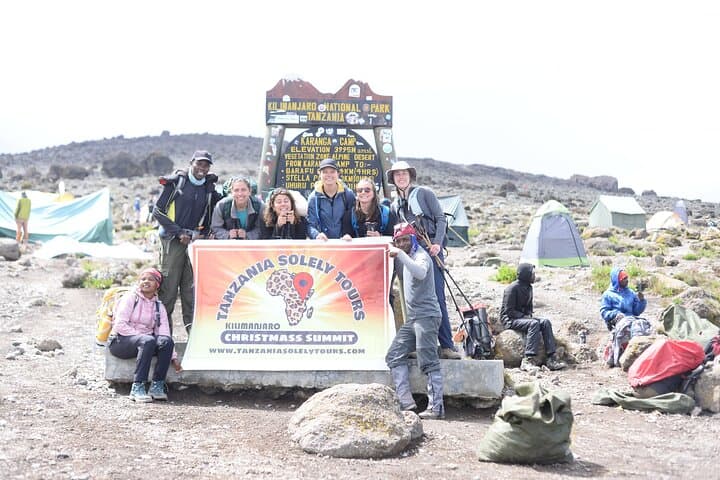
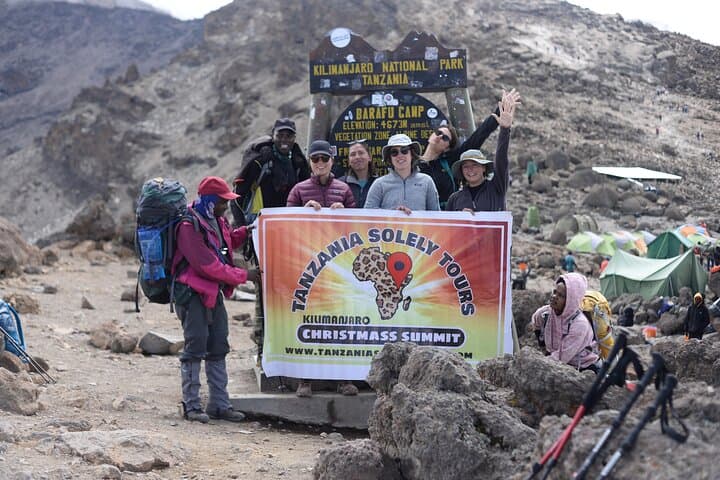
Days are measured in distance and altitude: the itinerary begins with a 4-hour, 7 km rainforest march to Big Tree Camp (2,780 m), moves through a long 16.5 km, 9–11 hour push to Shira 2 (3,900 m), then across volcanic desert to the Lava Tower and down to Barranco (3,960 m). The summit attempt from Barafu (4,640 m) to Uhuru Peak (5,895 m) is the technical and psychological apex: expect a 12–15 hour round trip with heavy scree and icy sections near Stella Point.
Practicalities matter. Pack lightweight but warm layers, a 4-season sleeping bag, and trekking poles for the descent; knees take a beating on the scree. Hydration and gradual pace are your best defenses against altitude: sip frequently and listen to your guide during the built-in acclimatization days. Meals and tents are provided on the mountain; the tour also includes a pre- and post-climb night at Kilimanjaro White House Hotel. Reserve summit attempts for clear-weather windows—cloud can roll in fast and reduce visibility to a few feet.
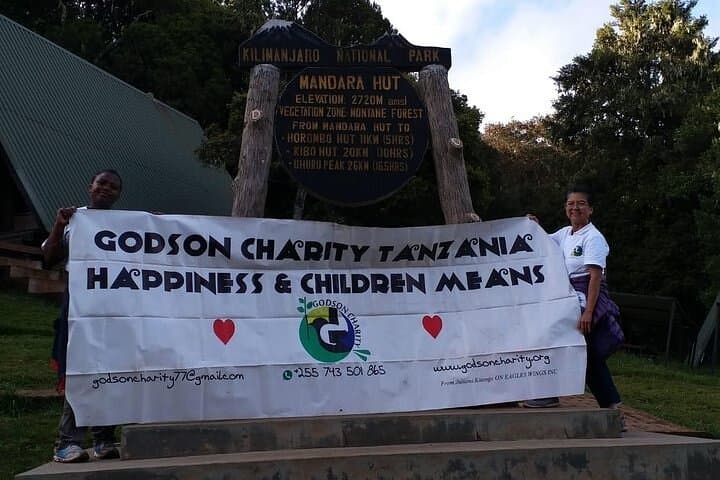
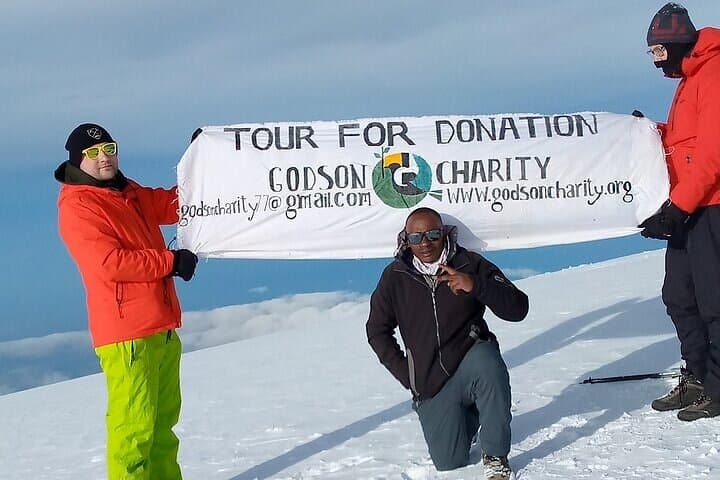
For photographers, dawn at Stella Point is unforgettable if the weather cooperates: the sun will pull color from the ice and paint long shadows on the crater rim. For responsible travelers: bring reusable bottles, follow your guide’s leave-no-trace rules, and consider the operator’s charitable option supporting vulnerable children—an easy way to leave a positive imprint on the region. The Lemosho circuit rewards patience: it gives altitude time to accept you rather than forcing you to fight it, and when the summit finally yields, it feels earned rather than granted.