THE ADVENTURE COLLECTIVE® · Independent discovery and booking for outdoor travel

A seven-day, gradual ascent on Kilimanjaro’s Lemosho Route that prioritizes acclimatization and summit success. Expect rainforest to alpine desert, experienced guides, and a midnight push to Uhuru Peak.
A seven-day, gradual ascent on Kilimanjaro’s Lemosho Route that prioritizes acclimatization and summit success. Expect rainforest to alpine desert, experienced guides, and a midnight push to Uhuru Peak.
You set off from the cool edge of rainforest as mist peels back from giant lobelia and the path climbs toward an open high plateau.
The Lemosho Route spends seven days moving deliberately up Kilimanjaro’s western flank, exchanging dense green for heath, then moorland and finally the stony, breath-thin world above 4,500m. Early mornings bring colobus monkeys and the crunch of wet leaves; late nights demand layers and slow, steady breathing.
Kilimanjaro is a volcanic massif shaped by three cones—Kibo, Mawenzi and Shira—whose glaciers and lava flows record the mountain’s geologic past. The Chagga people have farmed the lower slopes for generations; villages around Moshi provide the cultural backdrop and the porters who carry gear and stories.
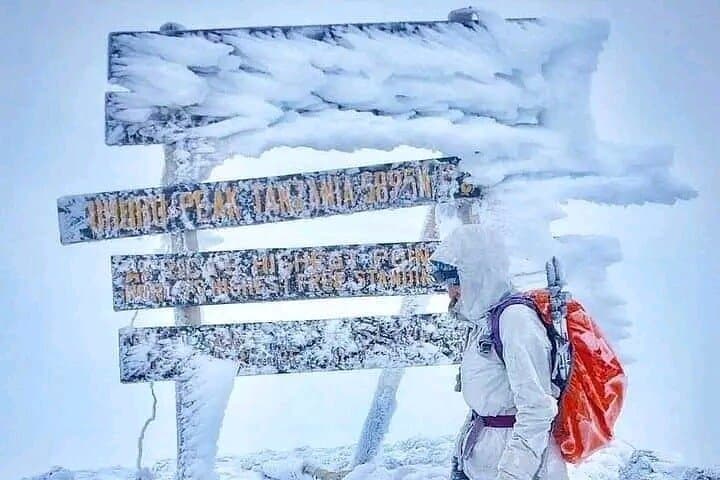
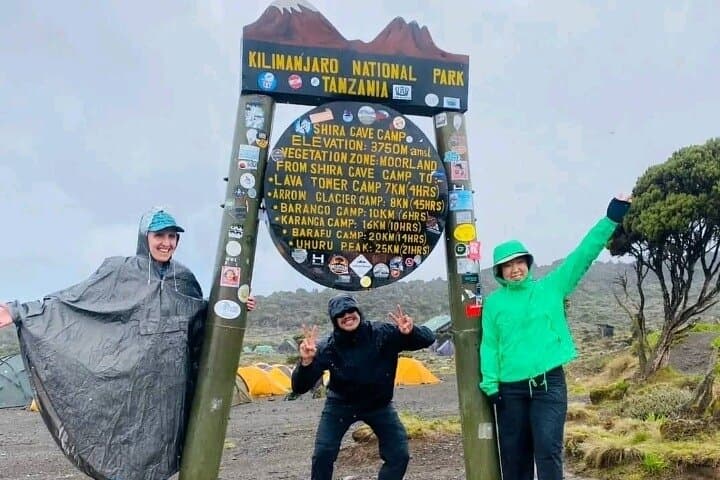
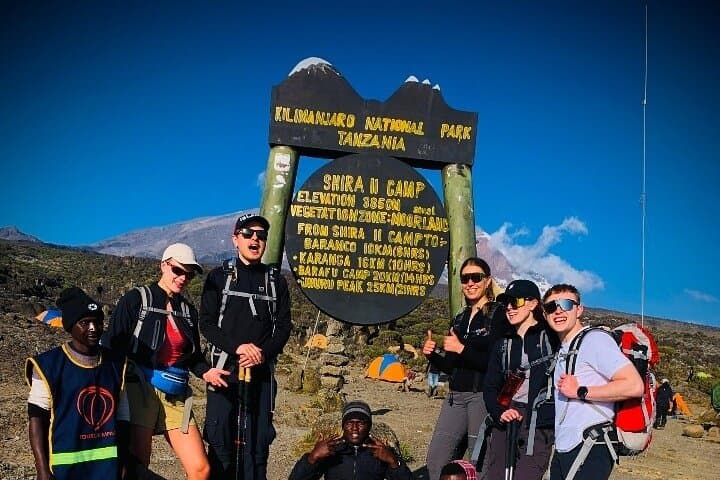
On this route you’ll cross Shira Plateau, gain the Lava Tower for acclimatization, tackle the Barranco Wall and make a midnight summit push from Barafu to Uhuru Peak at 5,895m. The itinerary’s strength is time—extra nights and gentle ascents give your body a better chance against altitude.
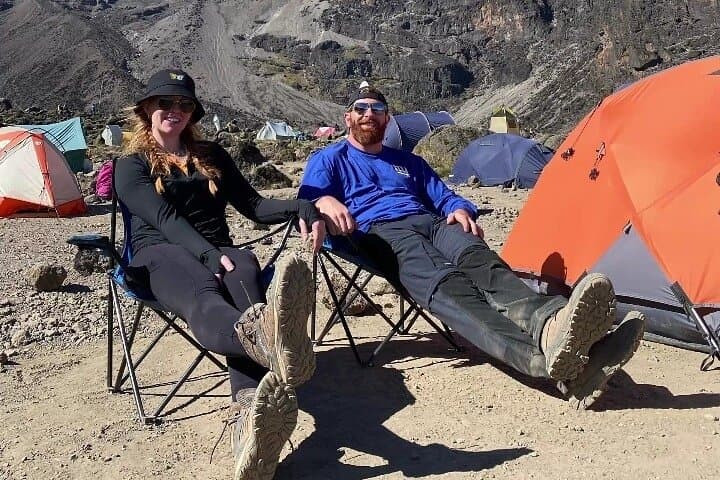
Practical notes: expect 46 km of walking on mixed terrain, large daily elevation changes on summit day, and nights in mountain tents. Hydrate consistently, pace your uphill steps (pole usage helps), and protect skin and eyes from the high sun. Guides manage logistics, meals and permits, but personal responsibility for layering, sleep and nutrition matters here.
Choose a reputable operator who follows porter-welfare and leave-no-trace practices; the mountain rewards respect and patience with sunrise above Africa’s plains.
Verified experiences and guided adventures in the surrounding area.
Operated by Tanzania Smile Adventures · Moshi, Kilimanjaro Region
You set off from the cool edge of rainforest as mist peels back from giant lobelia and the path climbs toward an open high plateau.
The Lemosho Route spends seven days moving deliberately up Kilimanjaro’s western flank, exchanging dense green for heath, then moorland and finally the stony, breath-thin world above 4,500m. Early mornings bring colobus monkeys and the crunch of wet leaves; late nights demand layers and slow, steady breathing.
Kilimanjaro is a volcanic massif shaped by three cones—Kibo, Mawenzi and Shira—whose glaciers and lava flows record the mountain’s geologic past. The Chagga people have farmed the lower slopes for generations; villages around Moshi provide the cultural backdrop and the porters who carry gear and stories.
On this route you’ll cross Shira Plateau, gain the Lava Tower for acclimatization, tackle the Barranco Wall and make a midnight summit push from Barafu to Uhuru Peak at 5,895m. The itinerary’s strength is time—extra nights and gentle ascents give your body a better chance against altitude.
Practical notes: expect 46 km of walking on mixed terrain, large daily elevation changes on summit day, and nights in mountain tents. Hydrate consistently, pace your uphill steps (pole usage helps), and protect skin and eyes from the high sun. Guides manage logistics, meals and permits, but personal responsibility for layering, sleep and nutrition matters here.
Choose a reputable operator who follows porter-welfare and leave-no-trace practices; the mountain rewards respect and patience with sunrise above Africa’s plains.
challenging.
7 days.
Good aerobic fitness with prior multi-day hiking experience; ability to walk 5–8 hours on uneven terrain daily.
Lemosho is one of the more scenic and gradual routes; difficulty is similar to other non-technical routes but its longer profile helps acclimatization and increases summit odds.
No technical mountaineering gear is required—this is high-altitude trekking. Crampons are not needed on standard routes, but check seasonal conditions.
Typical inclusions are park fees, tents, meals on the mountain, guides, porters and transfers; flights and personal equipment are not included—confirm with your operator.
Dry seasons (late June–October and late December–February) offer the most stable conditions, but Lemosho is climbed year-round; weather remains variable.
Kilimanjaro drew European climbers in the late 19th century; Hans Meyer made the first recorded ascent of Kibo in 1889; the Chagga people have long inhabited and farmed the mountain’s lower slopes.
Kilimanjaro National Park protects the summit and high ecosystems; sustainable trekking practices, porter welfare and strict waste management are critical to preserving fragile habitats.
Tanzania Smile Adventures operates guided outdoor trips and adventures with an emphasis on safety, stewardship, and memorable experiences.
You set off from the cool edge of rainforest as mist peels back from giant lobelia and the path climbs toward an open high plateau.
The Lemosho Route spends seven days moving deliberately up Kilimanjaro’s western flank, exchanging dense green for heath, then moorland and finally the stony, breath-thin world above 4,500m. Early mornings bring colobus monkeys and the crunch of wet leaves; late nights demand layers and slow, steady breathing.
Kilimanjaro is a volcanic massif shaped by three cones—Kibo, Mawenzi and Shira—whose glaciers and lava flows record the mountain’s geologic past. The Chagga people have farmed the lower slopes for generations; villages around Moshi provide the cultural backdrop and the porters who carry gear and stories.
On this route you’ll cross Shira Plateau, gain the Lava Tower for acclimatization, tackle the Barranco Wall and make a midnight summit push from Barafu to Uhuru Peak at 5,895m. The itinerary’s strength is time—extra nights and gentle ascents give your body a better chance against altitude.
Practical notes: expect 46 km of walking on mixed terrain, large daily elevation changes on summit day, and nights in mountain tents. Hydrate consistently, pace your uphill steps (pole usage helps), and protect skin and eyes from the high sun. Guides manage logistics, meals and permits, but personal responsibility for layering, sleep and nutrition matters here.
Choose a reputable operator who follows porter-welfare and leave-no-trace practices; the mountain rewards respect and patience with sunrise above Africa’s plains.
You set off from the cool edge of rainforest as mist peels back from giant lobelia and the path climbs toward an open high plateau.
The Lemosho Route spends seven days moving deliberately up Kilimanjaro’s western flank, exchanging dense green for heath, then moorland and finally the stony, breath-thin world above 4,500m. Early mornings bring colobus monkeys and the crunch of wet leaves; late nights demand layers and slow, steady breathing.
Kilimanjaro is a volcanic massif shaped by three cones—Kibo, Mawenzi and Shira—whose glaciers and lava flows record the mountain’s geologic past. The Chagga people have farmed the lower slopes for generations; villages around Moshi provide the cultural backdrop and the porters who carry gear and stories.
On this route you’ll cross Shira Plateau, gain the Lava Tower for acclimatization, tackle the Barranco Wall and make a midnight summit push from Barafu to Uhuru Peak at 5,895m. The itinerary’s strength is time—extra nights and gentle ascents give your body a better chance against altitude.
Practical notes: expect 46 km of walking on mixed terrain, large daily elevation changes on summit day, and nights in mountain tents. Hydrate consistently, pace your uphill steps (pole usage helps), and protect skin and eyes from the high sun. Guides manage logistics, meals and permits, but personal responsibility for layering, sleep and nutrition matters here.
Choose a reputable operator who follows porter-welfare and leave-no-trace practices; the mountain rewards respect and patience with sunrise above Africa’s plains.