THE ADVENTURE COLLECTIVE® · Independent discovery and booking for outdoor travel

The seven-day Lemosho route gives climbers a better shot at Uhuru Peak by spreading ascent over an extra day on the Shira Plateau. This guide walks you through terrain, logistics and practical tips to plan a successful Kilimanjaro summit attempt.
The seven-day Lemosho route gives climbers a better shot at Uhuru Peak by spreading ascent over an extra day on the Shira Plateau. This guide walks you through terrain, logistics and practical tips to plan a successful Kilimanjaro summit attempt.
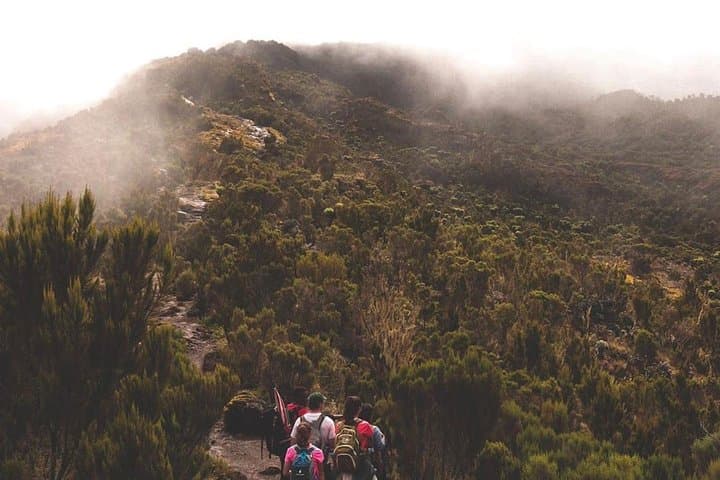
At first light the rainforest exhales a wet, loamy breath and your group tightens jacket hoods against mist. The Lemosho route begins with that green pressure — a slow, winding elevation out of the forest, under dripping moss and through a band of clouds that seem to cling to your shoulders. Over seven days the mountain will change its personality around you: tall grasses give way to lunar moorland, then a raw, wind-swept alpine desert, and finally a gray, glacial crown that tests every reserve of stamina and will.
Verified experiences and guided adventures in the surrounding area.
Operated by Moorland Safari and Trekking · Arusha, Kilimanjaro Region
At first light the rainforest exhales a wet, loamy breath and your group tightens jacket hoods against mist. The Lemosho route begins with that green pressure — a slow, winding elevation out of the forest, under dripping moss and through a band of clouds that seem to cling to your shoulders. Over seven days the mountain will change its personality around you: tall grasses give way to lunar moorland, then a raw, wind-swept alpine desert, and finally a gray, glacial crown that tests every reserve of stamina and will.
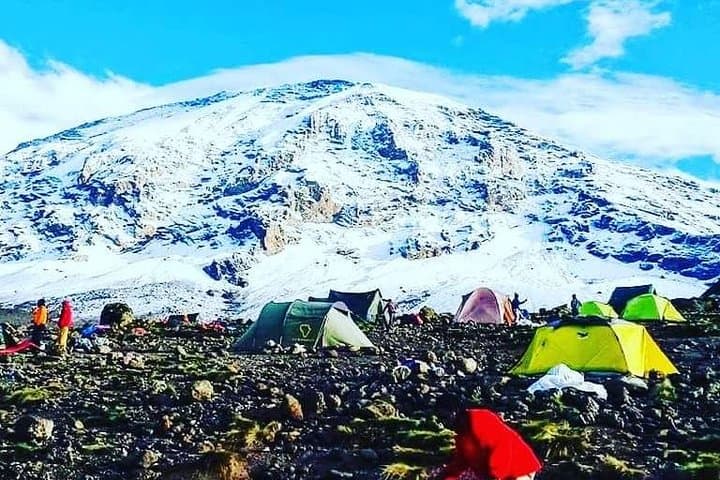
The Lemosho variation is purpose-built for acclimatization. Where the six-day itinerary rushes through critical elevation gains, the seven-day option splits stages to add an extra night on the Shira Plateau and visits the seldom-used Moir Hut at about 13,800 feet. That additional exposure to altitude — the gradual inching up and then strategic drops — is why guides prefer this plan for success on summit night.
Geologically, Kilimanjaro is a dormant stratovolcano made of three cones: Kibo, Mawenzi and Shira. Lemosho brings you in from the west across the high Shira Plateau, one of the planet’s highest plateaus, where lava flows and ancient scarps reveal the mountain’s volcanic past. Culturally, the ascent intersects Chagga farmland and villages around Arusha; porters and guides carry not just gear but generations of route knowledge and acclimatization practices.
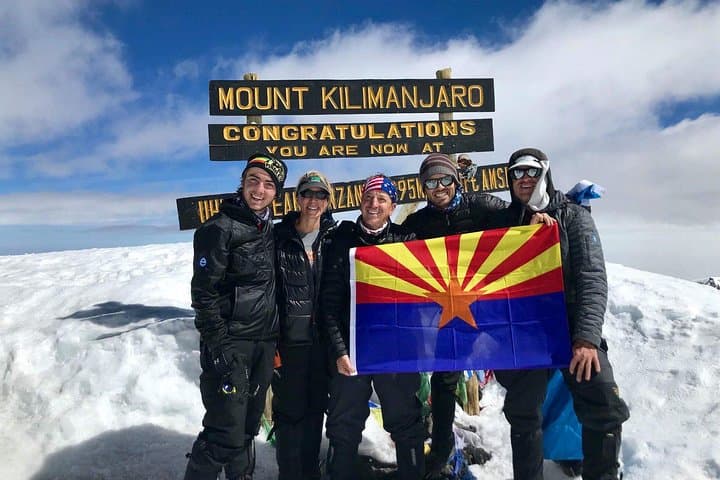
Expect long hiking days — 3 to 10 hours depending on the stage — with a summit push from Barafu to Uhuru Peak that begins between midnight and 2 a.m. The final climb traverses scree and high-altitude air; Stella Point offers the first glimmer of sunrise, but many climbers reach Uhuru Peak after a stubborn last hour of snow or loose rock.
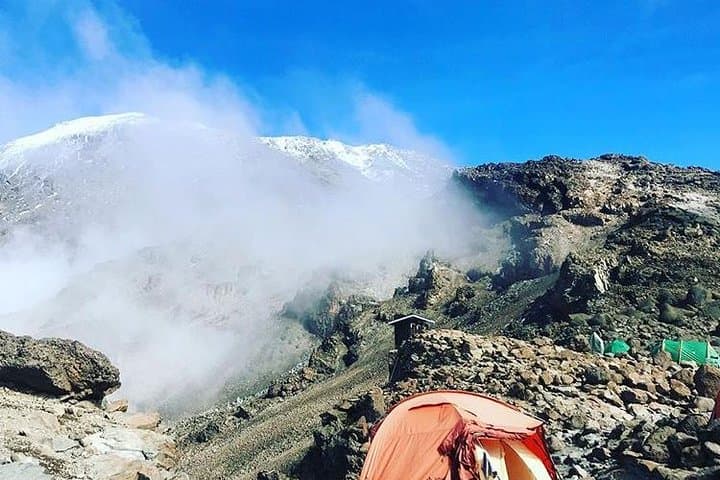
Practical edge: pack for temperature swings — the night at Barafu can dip well below freezing while lower forest camps are wet and warm. Gaiters and poles are essential for gravel descents. Hydrate deliberately (carry water purification or rely on provided water) and prioritize sleep on the plateau nights; the itinerary’s extra day at Moir Hut is not luxury, it’s medicine for your bloodstream.
For planners: the route finishes with a long descent through montane forest to Mweka Gate and a vehicle ride back to Arusha. The trek requires moderate-to-high fitness and no technical climbing skills, but altitude awareness and conservative pacing make the difference between summiting and turning back. With seven days, Lemosho offers the best compromise between alpine exposure and a realistic chance to stand on Africa’s roof.
challenging.
7 days.
Good cardiovascular fitness with experience on multi-day hikes; ability to carry a daypack all day; not recommended for those with heart or serious respiratory conditions.
No technical experience is required, but prior multi-day trekking experience and good cardiovascular fitness improve comfort and success.
The best windows are January–February and June–October to avoid the main rainy seasons when conditions are drier and more stable.
The extra day improves acclimatization and typically raises summit success rates compared to the six-day route, but individual success still depends on fitness, pacing and weather.
Basic pit latrines are common at camps and park gates; waste management is improving but bring hand sanitizer and biodegradable soap.
(duplicate)
Porters typically carry personal gear and communal equipment; operators follow Kilimanjaro Park regulations on porter loads — confirm limits with your operator and pack light to respect porter welfare.
Kilimanjaro’s summit was first reached in 1889 and the mountain has long been part of Chagga cultural landscape; routes like Lemosho cross lands once used for grazing and local travel.
Kiliman jaro National Park manages strict trail and camping rules to limit erosion and waste; hire registered guides and follow Leave No Trace practices to protect fragile alpine zones.
Moorland Safari and Trekking operates guided outdoor trips and adventures with an emphasis on safety, stewardship, and memorable experiences.
At first light the rainforest exhales a wet, loamy breath and your group tightens jacket hoods against mist. The Lemosho route begins with that green pressure — a slow, winding elevation out of the forest, under dripping moss and through a band of clouds that seem to cling to your shoulders. Over seven days the mountain will change its personality around you: tall grasses give way to lunar moorland, then a raw, wind-swept alpine desert, and finally a gray, glacial crown that tests every reserve of stamina and will.
At first light the rainforest exhales a wet, loamy breath and your group tightens jacket hoods against mist. The Lemosho route begins with that green pressure — a slow, winding elevation out of the forest, under dripping moss and through a band of clouds that seem to cling to your shoulders. Over seven days the mountain will change its personality around you: tall grasses give way to lunar moorland, then a raw, wind-swept alpine desert, and finally a gray, glacial crown that tests every reserve of stamina and will.
The Lemosho variation is purpose-built for acclimatization. Where the six-day itinerary rushes through critical elevation gains, the seven-day option splits stages to add an extra night on the Shira Plateau and visits the seldom-used Moir Hut at about 13,800 feet. That additional exposure to altitude — the gradual inching up and then strategic drops — is why guides prefer this plan for success on summit night.
Geologically, Kilimanjaro is a dormant stratovolcano made of three cones: Kibo, Mawenzi and Shira. Lemosho brings you in from the west across the high Shira Plateau, one of the planet’s highest plateaus, where lava flows and ancient scarps reveal the mountain’s volcanic past. Culturally, the ascent intersects Chagga farmland and villages around Arusha; porters and guides carry not just gear but generations of route knowledge and acclimatization practices.
Expect long hiking days — 3 to 10 hours depending on the stage — with a summit push from Barafu to Uhuru Peak that begins between midnight and 2 a.m. The final climb traverses scree and high-altitude air; Stella Point offers the first glimmer of sunrise, but many climbers reach Uhuru Peak after a stubborn last hour of snow or loose rock.
Practical edge: pack for temperature swings — the night at Barafu can dip well below freezing while lower forest camps are wet and warm. Gaiters and poles are essential for gravel descents. Hydrate deliberately (carry water purification or rely on provided water) and prioritize sleep on the plateau nights; the itinerary’s extra day at Moir Hut is not luxury, it’s medicine for your bloodstream.
For planners: the route finishes with a long descent through montane forest to Mweka Gate and a vehicle ride back to Arusha. The trek requires moderate-to-high fitness and no technical climbing skills, but altitude awareness and conservative pacing make the difference between summiting and turning back. With seven days, Lemosho offers the best compromise between alpine exposure and a realistic chance to stand on Africa’s roof.