THE ADVENTURE COLLECTIVE® · Independent discovery and booking for outdoor travel

A six-day private circuit from Windhoek through Etosha, Damaraland, the Skeleton Coast and Sossusvlei that compresses Namibia’s most dramatic ecosystems into one expertly guided loop. Expect long drives, close wildlife encounters at waterholes, dune-climbing mornings and coastal shipwrecks.
A six-day private circuit from Windhoek through Etosha, Damaraland, the Skeleton Coast and Sossusvlei that compresses Namibia’s most dramatic ecosystems into one expertly guided loop. Expect long drives, close wildlife encounters at waterholes, dune-climbing mornings and coastal shipwrecks.
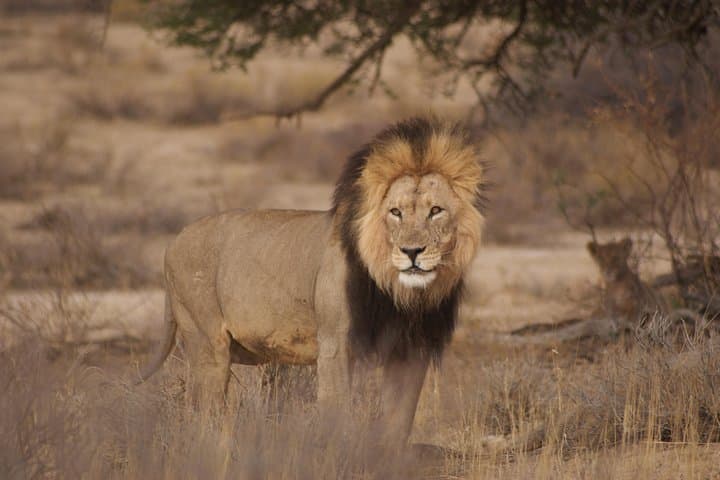
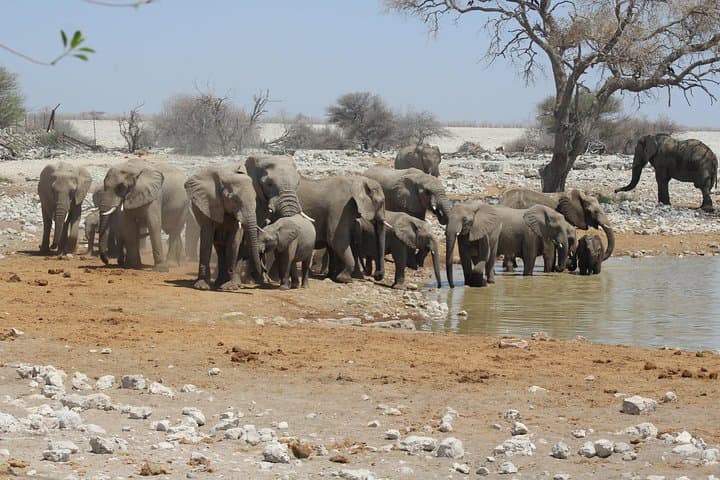
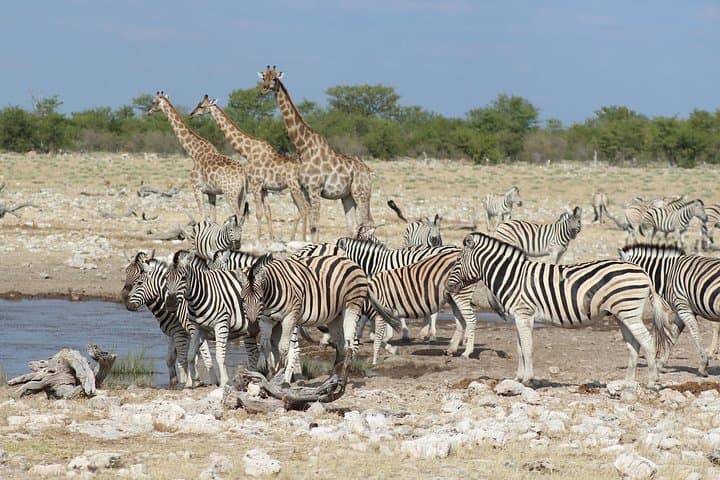
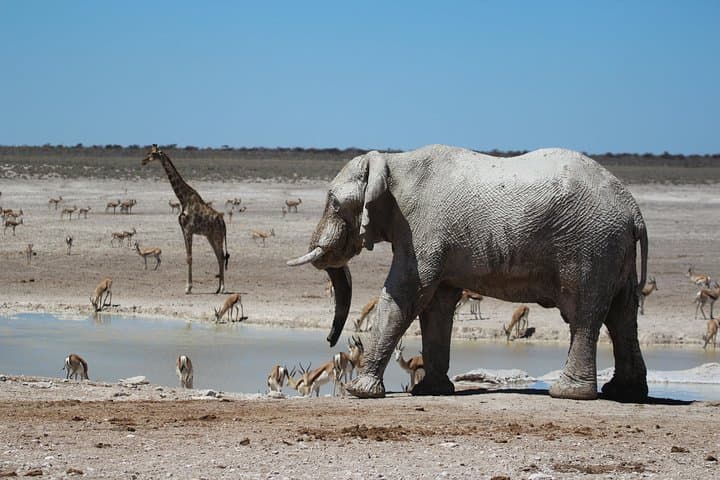
The engine hums to life before dawn and Windhoek slides away under a sky that is already thin with light. Your private guide sets the pace: efficient, curious, ready to answer questions as the Kalahari scrub gives way to wide gravel roads. The first full day is Etosha — a place where waterholes act like magnets and the landscape watches you back. Elephants arrive with the casual authority of a force of nature; lions prowl the long grass with the patience of weather.
Verified experiences and guided adventures in the surrounding area.
Operated by Lark Journeys Namibia · Windhoek, Khomas
The engine hums to life before dawn and Windhoek slides away under a sky that is already thin with light. Your private guide sets the pace: efficient, curious, ready to answer questions as the Kalahari scrub gives way to wide gravel roads. The first full day is Etosha — a place where waterholes act like magnets and the landscape watches you back. Elephants arrive with the casual authority of a force of nature; lions prowl the long grass with the patience of weather.
This loop stitches together Namibia’s defining geologies and cultures. The Etosha Pan — a salt flat so broad it reads as white from a plane — explains the name and the starkness of survival here. Damaraland introduces you to Himba and Herero communities whose roadside stalls offer hand-made crafts and an invitation to learn about livelihoods shaped by arid land. On the Skeleton Coast, the Atlantic coughs up shipwrecks like the Zeila; wind and sand are patient archivists of maritime misfortune.
The Namib dunes near Sossusvlei are a different kind of memory. Wind sculpts sand into towering ridges that change faces with the sun. Deadvlei’s bleached trees stand like punctuation marks against ochre slopes; Big Daddy’s climb rewards breathless views and a sense that the desert is not simply empty, but constantly at work.
Practically speaking, expect long drives — the loop covers roughly 1,800 km — broken into wildlife-rich game drives and short cultural stops. Accommodations are lodge-based each night, often with waterholes or good vantage points for dusk viewing. National park fees are included in this tour, and the private-guided format means flexibility: linger at a watering hole if the herd is cooperating, or opt for an early morning sandboarding session in Swakopmund.
Timing and gear matter. Sunrise in Sossusvlei is the day’s centerpiece; arrive early to catch the light and cooler sand. Etosha is best explored in the dry months when game concentrates at waterholes, but coastal fog in Walvis Bay gives its own dramatic atmosphere and seals a different kind of wildlife experience.
For planning: bring sturdy shoes for dune ascents, a wide-brim hat and high-SPF sunscreen, and a refillable water system — the land will demand it. Pack a light wind shell for the coast and early mornings. Above all, travel with curiosity and respect: communities here balance tradition and tourism, and the landscape rewards those who move deliberately and leave nothing behind.
moderate.
6 days.
Good baseline fitness for dune climbs and short walks; long vehicle days require tolerance for extended sitting.
Yes — national park and entry fees for included parks are covered in the tour price.
Pickup can be arranged from Windhoek hotels; confirm pickup point and flight details when booking.
The tour is rated moderate: most days are easy but expect short, steep dune climbs and long transfers by vehicle.
The dry season (May–October) concentrates wildlife at waterholes; coastal fog and milder temperatures make shoulder seasons interesting too.
Yes — sandboarding, quad biking, boat cruises, skydiving and hot-air ballooning are available as paid extras in Swakopmund and the Namib.
Lodges generally offer limited Wi‑Fi; mobile coverage is sporadic outside towns, so plan for offline navigation and downloads.
Etosha’s name comes from Oshindonga for 'great white place' referencing the salt pan; German colonial history left roads, architecture and coastal shipwrecks visible along the Skeleton Coast.
Park fees support anti-poaching and habitat management in Etosha; visitors should stick to roads and avoid disturbing wildlife to help fragile desert ecosystems.
Lark Journeys Namibia operates guided outdoor trips and adventures with an emphasis on safety, stewardship, and memorable experiences.
The engine hums to life before dawn and Windhoek slides away under a sky that is already thin with light. Your private guide sets the pace: efficient, curious, ready to answer questions as the Kalahari scrub gives way to wide gravel roads. The first full day is Etosha — a place where waterholes act like magnets and the landscape watches you back. Elephants arrive with the casual authority of a force of nature; lions prowl the long grass with the patience of weather.
The engine hums to life before dawn and Windhoek slides away under a sky that is already thin with light. Your private guide sets the pace: efficient, curious, ready to answer questions as the Kalahari scrub gives way to wide gravel roads. The first full day is Etosha — a place where waterholes act like magnets and the landscape watches you back. Elephants arrive with the casual authority of a force of nature; lions prowl the long grass with the patience of weather.
This loop stitches together Namibia’s defining geologies and cultures. The Etosha Pan — a salt flat so broad it reads as white from a plane — explains the name and the starkness of survival here. Damaraland introduces you to Himba and Herero communities whose roadside stalls offer hand-made crafts and an invitation to learn about livelihoods shaped by arid land. On the Skeleton Coast, the Atlantic coughs up shipwrecks like the Zeila; wind and sand are patient archivists of maritime misfortune.
The Namib dunes near Sossusvlei are a different kind of memory. Wind sculpts sand into towering ridges that change faces with the sun. Deadvlei’s bleached trees stand like punctuation marks against ochre slopes; Big Daddy’s climb rewards breathless views and a sense that the desert is not simply empty, but constantly at work.
Practically speaking, expect long drives — the loop covers roughly 1,800 km — broken into wildlife-rich game drives and short cultural stops. Accommodations are lodge-based each night, often with waterholes or good vantage points for dusk viewing. National park fees are included in this tour, and the private-guided format means flexibility: linger at a watering hole if the herd is cooperating, or opt for an early morning sandboarding session in Swakopmund.
Timing and gear matter. Sunrise in Sossusvlei is the day’s centerpiece; arrive early to catch the light and cooler sand. Etosha is best explored in the dry months when game concentrates at waterholes, but coastal fog in Walvis Bay gives its own dramatic atmosphere and seals a different kind of wildlife experience.
For planning: bring sturdy shoes for dune ascents, a wide-brim hat and high-SPF sunscreen, and a refillable water system — the land will demand it. Pack a light wind shell for the coast and early mornings. Above all, travel with curiosity and respect: communities here balance tradition and tourism, and the landscape rewards those who move deliberately and leave nothing behind.