
6-Day Namibia Safari: Etosha, Swakopmund & Sossusvlei Guided Lodge Tour
A compact six-day circuit through Namibia’s most iconic landscapes — Etosha’s wildlife-rich pans, Swakopmund’s coastal edge, and the soaring dunes of Sossusvlei. Expect early game drives, big sky photography, and long road legs between lodges.
An Adventure In Windhoek.
A compact six-day circuit through Namibia’s most iconic landscapes — Etosha’s wildlife-rich pans, Swakopmund’s coastal edge, and the soaring dunes of Sossusvlei. Expect early game drives, big sky photography, and long road legs between lodges.
Read the full experience
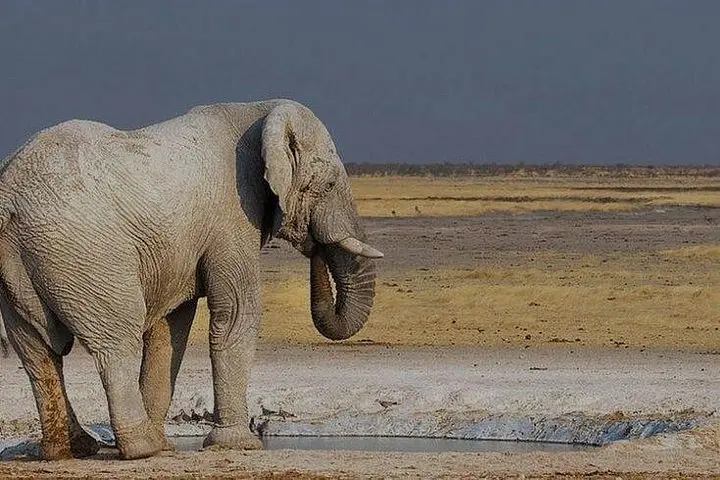
The bus eases out of Windhoek before dawn, a low sun punching through a thin dust that the land seems to wear like a live thing. By midmorning the road opens into high savanna and the salt-flat glare of Etosha, where wildebeest and springbok move with a casual purpose and the pan itself lies like an enormous, breathing stage. You follow game trails to floodlit waterholes at Okaukuejo and sit in silence while elephants arrive as if on cue — the desert has a way of insisting you slow down.
The bus eases out of Windhoek before dawn, a low sun punching through a thin dust that the land seems to wear like a live thing. By midmorning the road opens into high savanna and the salt-flat glare of Etosha, where wildebeest and springbok move with a casual purpose and the pan itself lies like an enormous, breathing stage. You follow game trails to floodlit waterholes at Okaukuejo and sit in silence while elephants arrive as if on cue — the desert has a way of insisting you slow down.
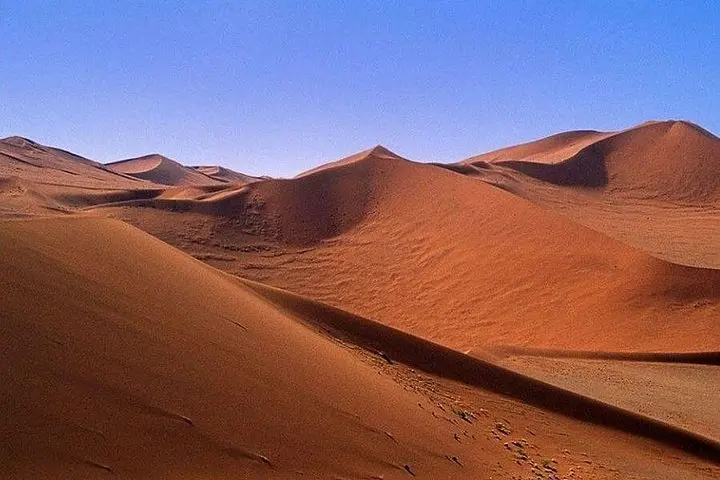
This six-day loop threads Namibia’s contrasts: Etosha’s prehistoric, white salt pan (roughly 5,000 km²) and its migratory drama; the Atlantic-cooled coastal town of Swakopmund with its German-era facades; and the red giants of Sossusvlei, where dunes like Dune 45 (approx. 170 m) and Dune 7 (about 383 m) loom under an immense sky. Geology runs through the itinerary — the Namib is one of the world’s oldest deserts, its iron-rich sands oxidized into the deep crimsons that photographers chase. Cultural notes surface on the road: Herero and San histories in the north, the colonial imprint in Swakopmund, and the hardy lives of lodge communities that cater to nomadic tourism.
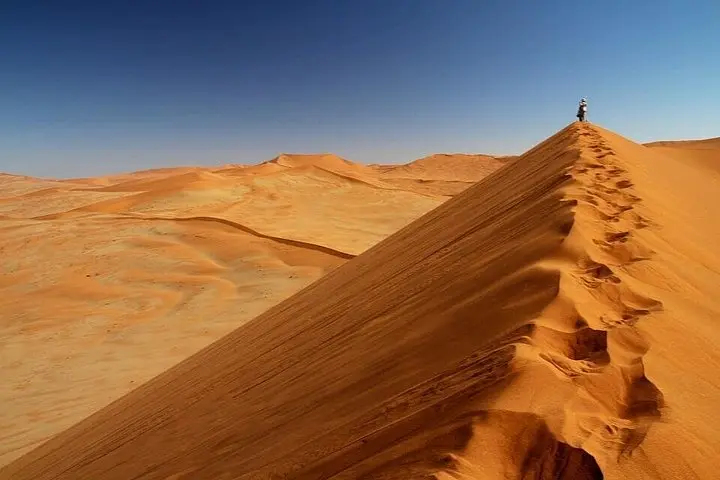
Days are built around wildlife and landscape timing. At Etosha you’ll do early and late game drives when predators and prey are most active; nights at lodges mean the waterhole light show continues in silhouette. On the coast, salt breezes push gulls and flamingos at Walvis Bay; inland, Sesriem Canyon exposes the Tsauchab River’s slow work against rock. Sossusvlei rewards the patient: climb Dune 45 at sunrise for an almost surgical clarity of shadow and color, then walk out to Deadvlei where dead camel-thorn trees stand like ink drawings on white clay.
Practicalities are straightforward: the tour is lodge-based and private, with hotel or airport pickup in Windhoek. Expect long driving stretches — plan on several 4–6 hour road legs between hubs — and variable temperatures: freezing desert nights and hot, dry afternoons. Bring sun protection, a camera with a telephoto, and a reusable water bottle. Hydration and pacing make the difference between a tired trip and a vivid one.
For travelers who want a concentrated introduction to Namibia, this route delivers both spectacle and context — wildlife that keeps you alert, dunes that humble your steps, and coastal winds that remind you how wide the world can feel.
Frequently asked questions
Some site admissions (like Sossusvlei/Sesriem) are listed as included in the itinerary; confirm final fee inclusions with the operator before travel.
Expect several 4–6 hour legs: Windhoek to Etosha (~4–5 hours), Etosha to Swakopmund (~4–5 hours), and Swakopmund to Sossusvlei region (~4–6 hours depending on route).
The tour is family-friendly with infant seats available, but long drives and early mornings can be challenging for very young children.
Desert days are hot and dry while nights can be cold — pack layers, sun protection, and a warm jacket for early-morning drives.
Check current entry and health requirements for Namibia before travel; routine vaccinations and malaria precautions may be advised for northern regions like Etosha.
Tipping is customary; budget a modest daily amount for guides and small tips for lodge staff based on service and group size.
About This Experience
Motema Tours and Safaris Namibia operates guided outdoor trips and adventures with an emphasis on safety, stewardship, and memorable experiences.
Adventure tips
Recommended gear
- Wide-angle + telephoto camera lenses: Wide angle for dunes and canyon, telephoto (200–400mm) for Etosha wildlife and waterhole shots.
- Sun hat and high-SPF sunscreen: Desert sun is intense and protective gear prevents sunburn and heat-related fatigue.
- Reusable 1–2L water bottle or hydration bladder: Reliable hydration is essential during long drives and dune excursions.
- Sturdy closed-toe hiking shoes: Needed for sand climbs like Dune 45 and rocky walks in Sesriem Canyon.
Photos of the experience
Related adventures & guides
Read the full experience
The bus eases out of Windhoek before dawn, a low sun punching through a thin dust that the land seems to wear like a live thing. By midmorning the road opens into high savanna and the salt-flat glare of Etosha, where wildebeest and springbok move with a casual purpose and the pan itself lies like an enormous, breathing stage. You follow game trails to floodlit waterholes at Okaukuejo and sit in silence while elephants arrive as if on cue — the desert has a way of insisting you slow down.
The bus eases out of Windhoek before dawn, a low sun punching through a thin dust that the land seems to wear like a live thing. By midmorning the road opens into high savanna and the salt-flat glare of Etosha, where wildebeest and springbok move with a casual purpose and the pan itself lies like an enormous, breathing stage. You follow game trails to floodlit waterholes at Okaukuejo and sit in silence while elephants arrive as if on cue — the desert has a way of insisting you slow down.
This six-day loop threads Namibia’s contrasts: Etosha’s prehistoric, white salt pan (roughly 5,000 km²) and its migratory drama; the Atlantic-cooled coastal town of Swakopmund with its German-era facades; and the red giants of Sossusvlei, where dunes like Dune 45 (approx. 170 m) and Dune 7 (about 383 m) loom under an immense sky. Geology runs through the itinerary — the Namib is one of the world’s oldest deserts, its iron-rich sands oxidized into the deep crimsons that photographers chase. Cultural notes surface on the road: Herero and San histories in the north, the colonial imprint in Swakopmund, and the hardy lives of lodge communities that cater to nomadic tourism.
Days are built around wildlife and landscape timing. At Etosha you’ll do early and late game drives when predators and prey are most active; nights at lodges mean the waterhole light show continues in silhouette. On the coast, salt breezes push gulls and flamingos at Walvis Bay; inland, Sesriem Canyon exposes the Tsauchab River’s slow work against rock. Sossusvlei rewards the patient: climb Dune 45 at sunrise for an almost surgical clarity of shadow and color, then walk out to Deadvlei where dead camel-thorn trees stand like ink drawings on white clay.
Practicalities are straightforward: the tour is lodge-based and private, with hotel or airport pickup in Windhoek. Expect long driving stretches — plan on several 4–6 hour road legs between hubs — and variable temperatures: freezing desert nights and hot, dry afternoons. Bring sun protection, a camera with a telephoto, and a reusable water bottle. Hydration and pacing make the difference between a tired trip and a vivid one.
For travelers who want a concentrated introduction to Namibia, this route delivers both spectacle and context — wildlife that keeps you alert, dunes that humble your steps, and coastal winds that remind you how wide the world can feel.
Make a day of it nearby.
Verified experiences and guided adventures in the surrounding area.