THE ADVENTURE COLLECTIVE® · Independent discovery and booking for outdoor travel

A six-day private Machame Route climb on Kilimanjaro that balances scenic variety and acclimatization, led by trained local guides with rescue oxygen and quality camping gear. Expect rainforest, moorland and a summit push to Uhuru Peak.
A six-day private Machame Route climb on Kilimanjaro that balances scenic variety and acclimatization, led by trained local guides with rescue oxygen and quality camping gear. Expect rainforest, moorland and a summit push to Uhuru Peak.
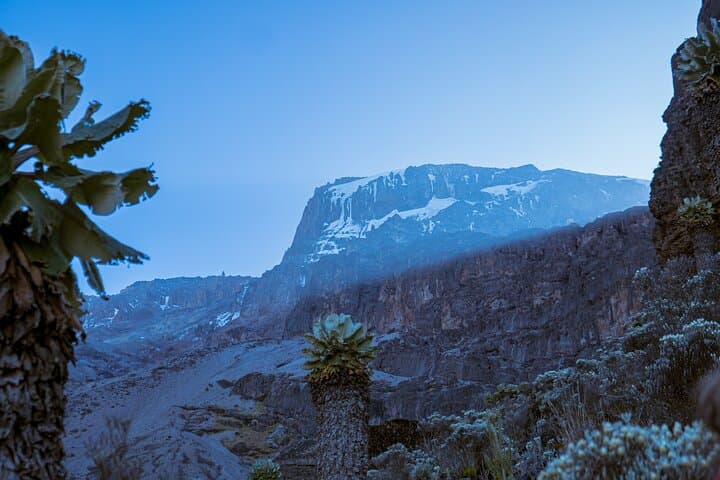
You start before sunrise in Moshi, the town’s heat trading places with a damp forest that seems to breathe as you climb. The trail pulls you through a green cathedral of moss and giant lobelias; birds call like alarms while blue monkeys slink above. Over six days the mountain changes clothes — from tropical rain forest into moorland, then an alpine desert that dares you to keep moving toward the glacier-crowned rim.
Verified experiences and guided adventures in the surrounding area.
Operated by Nafika tours · Moshi, Kilimanjaro Region
You start before sunrise in Moshi, the town’s heat trading places with a damp forest that seems to breathe as you climb. The trail pulls you through a green cathedral of moss and giant lobelias; birds call like alarms while blue monkeys slink above. Over six days the mountain changes clothes — from tropical rain forest into moorland, then an alpine desert that dares you to keep moving toward the glacier-crowned rim.
Kilimanjaro is a freestanding volcanic massif with three cones — Kibo, Mawenzi and Shira. The Machame Route is one of the most scenic approaches: it takes a longer ascent profile that improves acclimatization and offers varied terrain and dramatic viewpoints such as the Shira Plateau and the Barranco Wall. The climb threads local Chagga farmland and coffee terraces at lower elevations, where community agriculture has shaped the foothills for generations. Guides from Moshi are as familiar with these slopes as any local elder — their knowledge of first aid, altitude protocols and rescue plans is a core reason expeditions succeed.
Geologically, the summit’s crater rim is recent ice and volcanic rock; on clear mornings you can see the western breach and the ragged edge of glaciers that have shrunken noticeably in recent decades. That retreat is a visible reminder that high-altitude environments here are changing, and sustainable trekking practices — strictly packed-out waste and fair porter wages — matter.
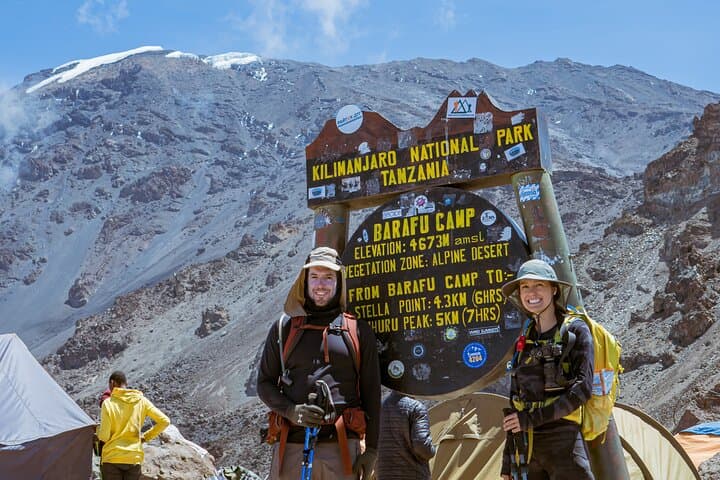
Practical planning starts with the itinerary: expect roughly 11 km and ~1,000 m gain on day one to Machame Camp, shorter but steeper day two to Shira (6 km), a long acclimatizing push to Lava Tower before descending to Baranco, then the long slog to Barafu, a midnight start for the 12–15 hour summit push (Stella Point then Uhuru Peak 5,895 m), and a final 14 km descent to Mweka Gate.
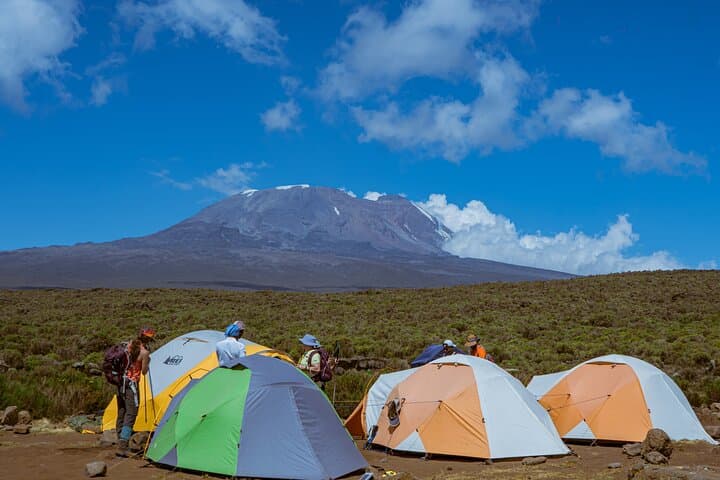
Fitness-wise, you don’t need technical climbing skills, but you do need endurance and experience on multi-day treks with long ascent and descent. Key logistics are covered: private transfers, high-quality Mountain Hardware tents, foam sleeping pads, sleeping bags, treated water, rescue oxygen and two hotel nights in Moshi. Porters carry most gear; still, pack light and train with loaded daypacks.
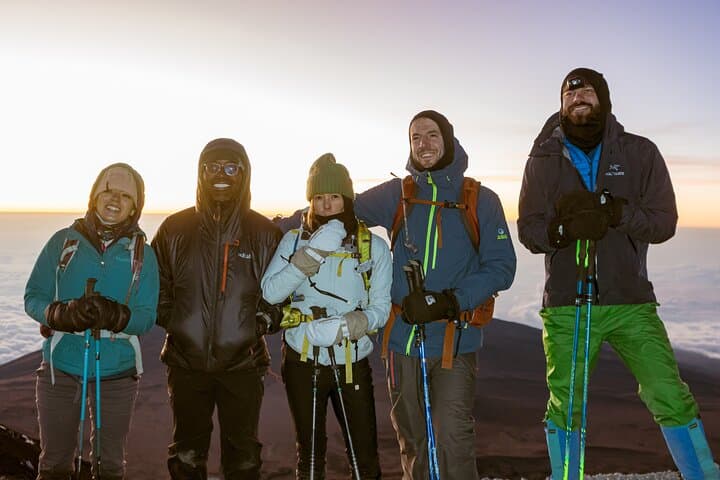
For summit night, practice pacing and nutrition: small, salty snacks and steady sips of water stave off cramps and altitude symptoms. Layering rules the mountain — nights are Arctic-cold even near the equator, while lower zones remain humid.
If you want a climb with professional backup and a route that balances scenery with acclimatization, the Machame 6-day private climb out of Moshi is a pragmatic, exhilarating way to stand on Africa’s rooftop.
challenging.
6 days.
Good aerobic endurance with experience on multi-day hikes; ability to hike 6–12 hours a day at altitude.
No technical mountaineering skills are required for the Machame Route, but you should have prior multi-day hiking experience and good cardiovascular fitness.
Permits, park fees and rescue fees are included in the tour package as arranged by the operator.
Guides perform regular health checks and carry rescue oxygen; evacuation and descent plans are in place and will be enacted if needed.
Yes — obtain travel insurance that covers high-altitude trekking and emergency evacuation.
This is offered as a private tour, so your group will be solely your party with a dedicated guide, porters and staff.
Tipping is customary; plan roughly $10–20/day for guides and $5–10/day for porters, adjusted for group size and service quality.
Local Chagga communities have farmed the lower slopes for centuries; the mountain also features in Maasai and Chagga oral histories as a powerful landmark.
Kilimanjaro’s glaciers are retreating; stick to marked trails, avoid single-use plastics and support operators who pay fair wages to porters.
Nafika tours operates guided outdoor trips and adventures with an emphasis on safety, stewardship, and memorable experiences.
You start before sunrise in Moshi, the town’s heat trading places with a damp forest that seems to breathe as you climb. The trail pulls you through a green cathedral of moss and giant lobelias; birds call like alarms while blue monkeys slink above. Over six days the mountain changes clothes — from tropical rain forest into moorland, then an alpine desert that dares you to keep moving toward the glacier-crowned rim.
You start before sunrise in Moshi, the town’s heat trading places with a damp forest that seems to breathe as you climb. The trail pulls you through a green cathedral of moss and giant lobelias; birds call like alarms while blue monkeys slink above. Over six days the mountain changes clothes — from tropical rain forest into moorland, then an alpine desert that dares you to keep moving toward the glacier-crowned rim.
Kilimanjaro is a freestanding volcanic massif with three cones — Kibo, Mawenzi and Shira. The Machame Route is one of the most scenic approaches: it takes a longer ascent profile that improves acclimatization and offers varied terrain and dramatic viewpoints such as the Shira Plateau and the Barranco Wall. The climb threads local Chagga farmland and coffee terraces at lower elevations, where community agriculture has shaped the foothills for generations. Guides from Moshi are as familiar with these slopes as any local elder — their knowledge of first aid, altitude protocols and rescue plans is a core reason expeditions succeed.
Geologically, the summit’s crater rim is recent ice and volcanic rock; on clear mornings you can see the western breach and the ragged edge of glaciers that have shrunken noticeably in recent decades. That retreat is a visible reminder that high-altitude environments here are changing, and sustainable trekking practices — strictly packed-out waste and fair porter wages — matter.
Practical planning starts with the itinerary: expect roughly 11 km and ~1,000 m gain on day one to Machame Camp, shorter but steeper day two to Shira (6 km), a long acclimatizing push to Lava Tower before descending to Baranco, then the long slog to Barafu, a midnight start for the 12–15 hour summit push (Stella Point then Uhuru Peak 5,895 m), and a final 14 km descent to Mweka Gate.
Fitness-wise, you don’t need technical climbing skills, but you do need endurance and experience on multi-day treks with long ascent and descent. Key logistics are covered: private transfers, high-quality Mountain Hardware tents, foam sleeping pads, sleeping bags, treated water, rescue oxygen and two hotel nights in Moshi. Porters carry most gear; still, pack light and train with loaded daypacks.
For summit night, practice pacing and nutrition: small, salty snacks and steady sips of water stave off cramps and altitude symptoms. Layering rules the mountain — nights are Arctic-cold even near the equator, while lower zones remain humid.
If you want a climb with professional backup and a route that balances scenery with acclimatization, the Machame 6-day private climb out of Moshi is a pragmatic, exhilarating way to stand on Africa’s rooftop.