THE ADVENTURE COLLECTIVE® · Independent discovery and booking for outdoor travel

A six-day guided circuit from Reykjavík that stitches together Iceland’s headline sights—Golden Circle, Jokulsárlón, East Fjords, Mývatn—and active highlights like glacier hikes and whale watching. Expect long drives, dramatic geology, and expert guides handling logistics and safety.
A six-day guided circuit from Reykjavík that stitches together Iceland’s headline sights—Golden Circle, Jokulsárlón, East Fjords, Mývatn—and active highlights like glacier hikes and whale watching. Expect long drives, dramatic geology, and expert guides handling logistics and safety.
You step out into an Icelandic morning and the air hits like a clear bell: cold, mineral-rich and full of movement. A shuttle waits at 08:00; within hours the cityscape of Reykjavík drops away and black sand, braided rivers and towering cliffs slide into the windows. On this six-day clockwise circuit of the island, the landscape plays the lead role—water roaring through canyons, glaciers scabbing the horizon, and fjords that press mountains up from the sea.
Verified experiences and guided adventures in the surrounding area.
Operated by Arctic Adventures · Reykjavík, Capital Region
You step out into an Icelandic morning and the air hits like a clear bell: cold, mineral-rich and full of movement. A shuttle waits at 08:00; within hours the cityscape of Reykjavík drops away and black sand, braided rivers and towering cliffs slide into the windows. On this six-day clockwise circuit of the island, the landscape plays the lead role—water roaring through canyons, glaciers scabbing the horizon, and fjords that press mountains up from the sea.
The route reads like a primer to Iceland’s geological story. Þingvellir exposes the rift where the North American and Eurasian plates drift apart; Gullfoss shows water’s erosive might; glacier tongues off Vatnajökull reveal ancient blue ice. Small fishing towns—Vík, Djúpivogur, Siglufjörður—carry the practical culture of a nation shaped by wind and sea: turf-roofed houses, salted fish, and stories of seafaring survival. Historic notes appear along the way too: the Althing site at Þingvellir marks one of the world’s oldest parliamentary traditions, and Reykholt recalls Snorri Sturluson’s medieval sagas.
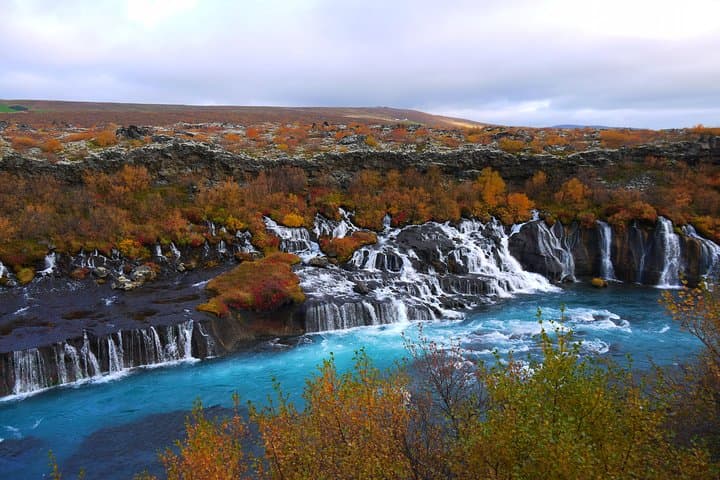
Geology is never subtle here. Basalt columns frame Litlanesfoss, lava fields feed Hraunfossar’s delicate streams, and the black sand beaches around Reynisfjara remind you the Atlantic is always ready to rearrange the shoreline. Wildlife punctuates the itinerary—whales carving the fjords’ skin in Eyjafjörður, Arctic terns and puffins nesting on sea cliffs—and your guides translate these signs into something tangible: where the ice will crack, where geothermal vents steam most vividly, and where the Northern Lights like to appear when winter nights are long.
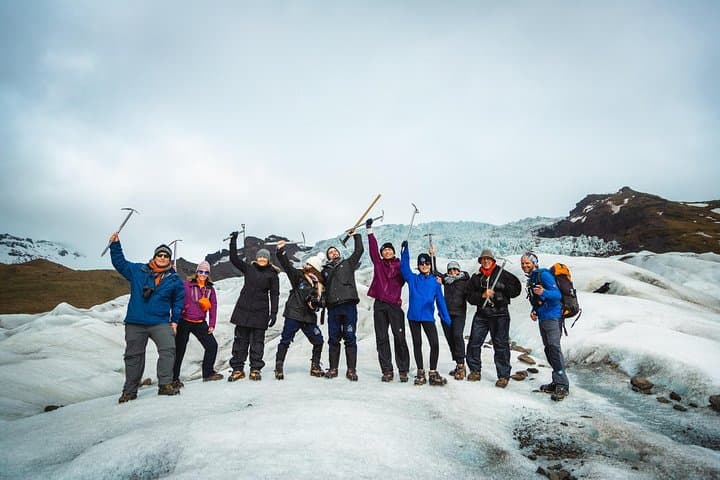
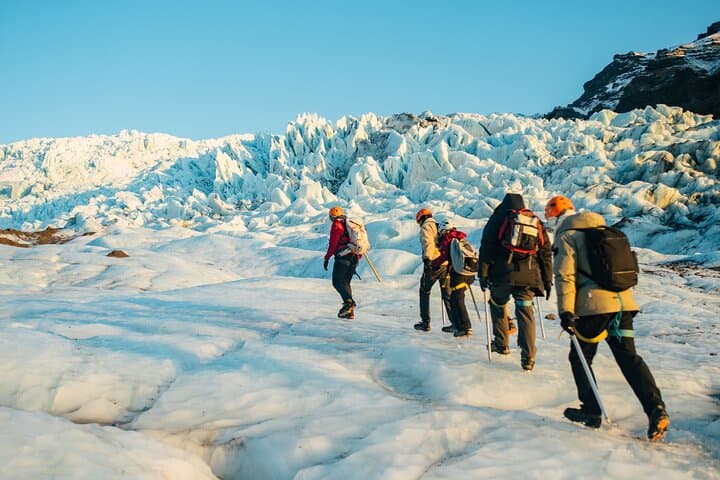
Practically, this trip moves quickly: expect long driving stretches between highlights and active side trips—three-hour guided glacier hikes, whale-watching cruises of around three hours, and daily short hikes to waterfalls and viewpoints. Pack waterproof layers, sturdy hiking boots, and thermal underlayers; weather shifts can be sudden, and trails cross uneven, volcanic terrain. Guides provide crampons and safety gear for glacier travel; follow their briefings closely and come prepared to walk on varied surfaces.
Timing matters: summer offers near-continuous daylight for sightseeing; shoulder seasons deliver dramatic weather and fewer crowds; winter brings ice caves and aurora hunts but requires weather flexibility. Bring a compact daypack for camera gear, keep a refillable water bottle handy (tap water in Iceland is excellent), and allow space in your itinerary for unscripted stops—the landscape will often insist on one.
By the final day, returning to Reykjavík feels less like a finish and more like a quiet reentry: your senses recalibrated to ordinary city sounds after glaciers and geysers have pushed and pulled at them for six days.
moderate.
6 days.
Moderate fitness—comfortable with 2–4 hour hikes and some long coach transfers; ability to walk on uneven terrain is required.
Airport transfers are not included; pick-up is from specified Reykjavik pick-up points—confirm your chosen pickup location 48 hours before departure.
A moderate fitness level is required for short hikes and a 3-hour glacier hike; participants should be comfortable walking on uneven terrain.
Yes—guided glacier hiking on Vatnajökull and whale watching in Eyjafjörður are included in the itinerary.
Yes—waterproof clothing and hiking boots can be rented from the operator for a small fee if arranged in advance.
Solo travelers are paired in twin rooms by default; a single room upgrade is available for an extra charge if requested.
The operator reserves the right to alter the itinerary for safety due to weather; cancellation and refund terms depend on timing of cancellation.
Þingvellir hosted the Althing—the world’s oldest surviving parliament—established over 1,000 years ago; medieval sagas are woven into many place names encountered on the route.
Iceland’s fragile moss and topsoil recover slowly—stick to marked paths and minimize off-trail walking; geothermal baths and protected sites manage visitor numbers seasonally.
Arctic Adventures operates guided outdoor trips and adventures with an emphasis on safety, stewardship, and memorable experiences.
You step out into an Icelandic morning and the air hits like a clear bell: cold, mineral-rich and full of movement. A shuttle waits at 08:00; within hours the cityscape of Reykjavík drops away and black sand, braided rivers and towering cliffs slide into the windows. On this six-day clockwise circuit of the island, the landscape plays the lead role—water roaring through canyons, glaciers scabbing the horizon, and fjords that press mountains up from the sea.
You step out into an Icelandic morning and the air hits like a clear bell: cold, mineral-rich and full of movement. A shuttle waits at 08:00; within hours the cityscape of Reykjavík drops away and black sand, braided rivers and towering cliffs slide into the windows. On this six-day clockwise circuit of the island, the landscape plays the lead role—water roaring through canyons, glaciers scabbing the horizon, and fjords that press mountains up from the sea.
The route reads like a primer to Iceland’s geological story. Þingvellir exposes the rift where the North American and Eurasian plates drift apart; Gullfoss shows water’s erosive might; glacier tongues off Vatnajökull reveal ancient blue ice. Small fishing towns—Vík, Djúpivogur, Siglufjörður—carry the practical culture of a nation shaped by wind and sea: turf-roofed houses, salted fish, and stories of seafaring survival. Historic notes appear along the way too: the Althing site at Þingvellir marks one of the world’s oldest parliamentary traditions, and Reykholt recalls Snorri Sturluson’s medieval sagas.
Geology is never subtle here. Basalt columns frame Litlanesfoss, lava fields feed Hraunfossar’s delicate streams, and the black sand beaches around Reynisfjara remind you the Atlantic is always ready to rearrange the shoreline. Wildlife punctuates the itinerary—whales carving the fjords’ skin in Eyjafjörður, Arctic terns and puffins nesting on sea cliffs—and your guides translate these signs into something tangible: where the ice will crack, where geothermal vents steam most vividly, and where the Northern Lights like to appear when winter nights are long.
Practically, this trip moves quickly: expect long driving stretches between highlights and active side trips—three-hour guided glacier hikes, whale-watching cruises of around three hours, and daily short hikes to waterfalls and viewpoints. Pack waterproof layers, sturdy hiking boots, and thermal underlayers; weather shifts can be sudden, and trails cross uneven, volcanic terrain. Guides provide crampons and safety gear for glacier travel; follow their briefings closely and come prepared to walk on varied surfaces.
Timing matters: summer offers near-continuous daylight for sightseeing; shoulder seasons deliver dramatic weather and fewer crowds; winter brings ice caves and aurora hunts but requires weather flexibility. Bring a compact daypack for camera gear, keep a refillable water bottle handy (tap water in Iceland is excellent), and allow space in your itinerary for unscripted stops—the landscape will often insist on one.
By the final day, returning to Reykjavík feels less like a finish and more like a quiet reentry: your senses recalibrated to ordinary city sounds after glaciers and geysers have pushed and pulled at them for six days.