THE ADVENTURE COLLECTIVE® · Independent discovery and booking for outdoor travel

A five-day alternative to the Inca Trail, the Salkantay Classic crosses a 4,650 m Andean pass before dropping through cloud forest to Machu Picchu. Expect long ascents, high-altitude weather swings, and dramatic mountain views.
A five-day alternative to the Inca Trail, the Salkantay Classic crosses a 4,650 m Andean pass before dropping through cloud forest to Machu Picchu. Expect long ascents, high-altitude weather swings, and dramatic mountain views.
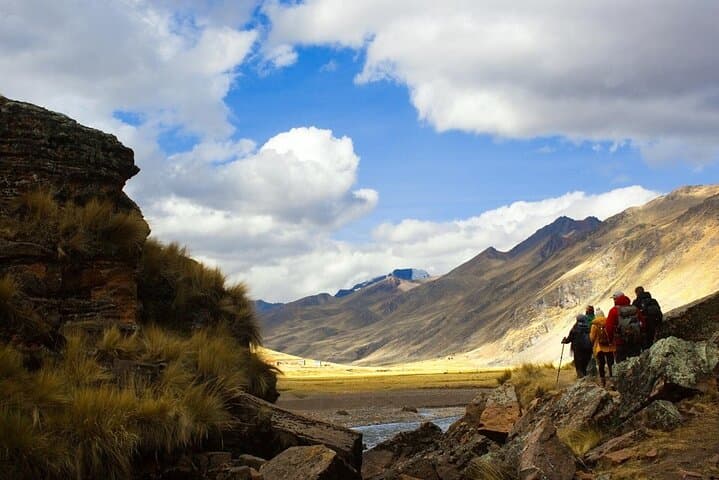
The trail opens before dawn—headlamps bobbing, breath steaming in the thin air as the van drops you at Challacancha and the first switchbacks begin.
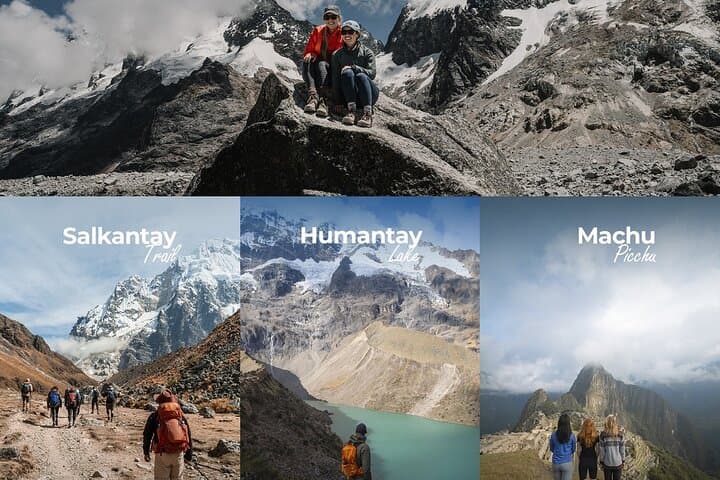
Over five days the landscape shifts from wind-swept puna to glaciated ridgelines, then down into a warm, green cloud forest where orchids and coffee plants edge the path. You climb to Abra Salkantay at about 4,650 m (15,250 ft), the high point that frames the massif of Salkantay, then descend roughly 1,700 m through mixed terrain before finishing at Aguas Calientes and Machu Picchu.
The route crosses zones shaped by Pleistocene glaciers and active Andean uplift; pre-Inca and Inca pathways reappear in stone terraces and the Llactapata ruins. Local Quechua communities still herd llamas and farm tubers on steep slopes, keeping ancient agricultural patterns alive.
Expect varied trails—rocky moraine, packed dirt, and sometimes slippery jungle tracks—with daily stages averaging 10–16 km and several sustained 3–5 hour ascents or descents. Altitude is the variable that defines the trek: acclimatize in Cusco, move deliberately uphill, and watch for headaches or nausea.
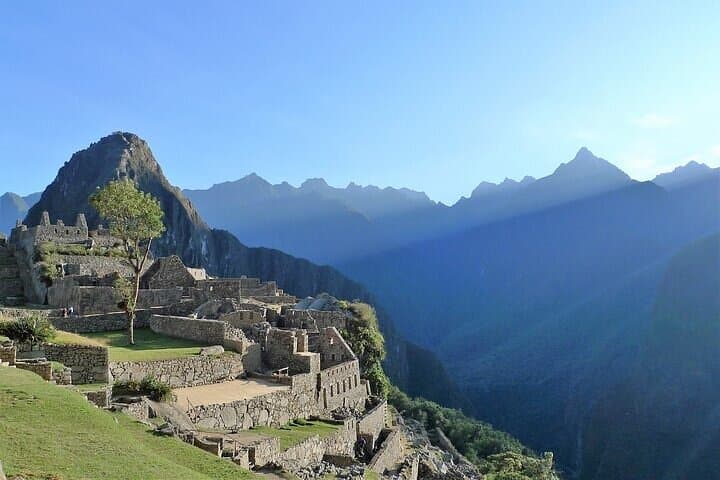
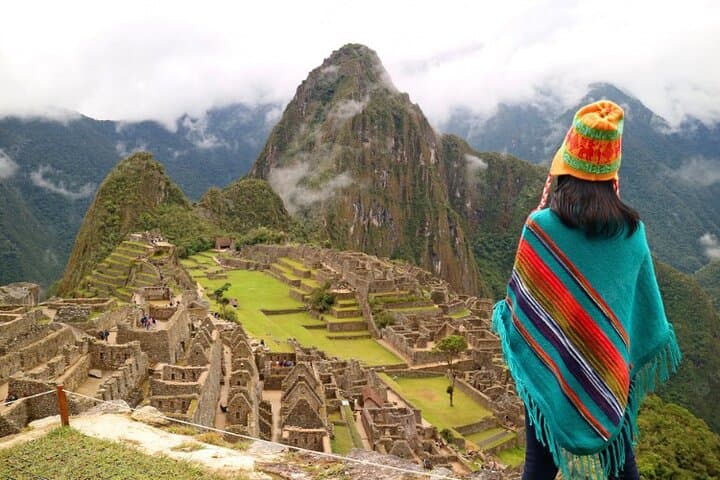
Practical edge: bring layered insulation for alpine mornings, sturdy trail shoes with good grip, and a rain shell for sudden tropical downpours lower on the route. Hydrate early, use sun protection, and budget an extra day in Cusco if you want to rest before tackling the pass. The payoff is a final morning inside Machu Picchu—ancient terraces and stonework revealed after a week of hard, unforgettable walking.
Verified experiences and guided adventures in the surrounding area.
Operated by Latin Adventures Cía Ltda · Cusco, Cusco
The trail opens before dawn—headlamps bobbing, breath steaming in the thin air as the van drops you at Challacancha and the first switchbacks begin.
Over five days the landscape shifts from wind-swept puna to glaciated ridgelines, then down into a warm, green cloud forest where orchids and coffee plants edge the path. You climb to Abra Salkantay at about 4,650 m (15,250 ft), the high point that frames the massif of Salkantay, then descend roughly 1,700 m through mixed terrain before finishing at Aguas Calientes and Machu Picchu.
The route crosses zones shaped by Pleistocene glaciers and active Andean uplift; pre-Inca and Inca pathways reappear in stone terraces and the Llactapata ruins. Local Quechua communities still herd llamas and farm tubers on steep slopes, keeping ancient agricultural patterns alive.
Expect varied trails—rocky moraine, packed dirt, and sometimes slippery jungle tracks—with daily stages averaging 10–16 km and several sustained 3–5 hour ascents or descents. Altitude is the variable that defines the trek: acclimatize in Cusco, move deliberately uphill, and watch for headaches or nausea.
Practical edge: bring layered insulation for alpine mornings, sturdy trail shoes with good grip, and a rain shell for sudden tropical downpours lower on the route. Hydrate early, use sun protection, and budget an extra day in Cusco if you want to rest before tackling the pass. The payoff is a final morning inside Machu Picchu—ancient terraces and stonework revealed after a week of hard, unforgettable walking.
challenging.
5 days.
Requires good cardiovascular fitness and leg strength; able to hike 6–8 hours with sustained elevation gain and multi-day packs (porters often carry main baggage).
Salkantay is generally longer and reaches higher altitude than the classic Inca Trail; it is less technical but more demanding in elevation gain and remote sections.
An organized group with a certified guide is recommended for logistics, safety, altitude response, and access to permitted campsites; independent trekking is possible but complex.
The route crosses Abra Salkantay at about 4,650 meters (15,250 ft), where pacing and acclimatization are critical.
This itinerary includes a Machu Picchu entrance ticket and a guided visit on the final day; Huayna Picchu or Machu Picchu Mountain climbs may require separate reservations.
The route follows pre-Inca and Inca-era corridors that linked highland communities with jungle valleys; stonework and terraces reflect centuries of mountain agriculture.
Tread lightly: stay on established paths, pack out waste, and favor operators who use local porters responsibly and limit campsite impacts.
Latin Adventures Cía Ltda operates guided outdoor trips and adventures with an emphasis on safety, stewardship, and memorable experiences.
The trail opens before dawn—headlamps bobbing, breath steaming in the thin air as the van drops you at Challacancha and the first switchbacks begin.
Over five days the landscape shifts from wind-swept puna to glaciated ridgelines, then down into a warm, green cloud forest where orchids and coffee plants edge the path. You climb to Abra Salkantay at about 4,650 m (15,250 ft), the high point that frames the massif of Salkantay, then descend roughly 1,700 m through mixed terrain before finishing at Aguas Calientes and Machu Picchu.
The route crosses zones shaped by Pleistocene glaciers and active Andean uplift; pre-Inca and Inca pathways reappear in stone terraces and the Llactapata ruins. Local Quechua communities still herd llamas and farm tubers on steep slopes, keeping ancient agricultural patterns alive.
Expect varied trails—rocky moraine, packed dirt, and sometimes slippery jungle tracks—with daily stages averaging 10–16 km and several sustained 3–5 hour ascents or descents. Altitude is the variable that defines the trek: acclimatize in Cusco, move deliberately uphill, and watch for headaches or nausea.
Practical edge: bring layered insulation for alpine mornings, sturdy trail shoes with good grip, and a rain shell for sudden tropical downpours lower on the route. Hydrate early, use sun protection, and budget an extra day in Cusco if you want to rest before tackling the pass. The payoff is a final morning inside Machu Picchu—ancient terraces and stonework revealed after a week of hard, unforgettable walking.
The trail opens before dawn—headlamps bobbing, breath steaming in the thin air as the van drops you at Challacancha and the first switchbacks begin.
Over five days the landscape shifts from wind-swept puna to glaciated ridgelines, then down into a warm, green cloud forest where orchids and coffee plants edge the path. You climb to Abra Salkantay at about 4,650 m (15,250 ft), the high point that frames the massif of Salkantay, then descend roughly 1,700 m through mixed terrain before finishing at Aguas Calientes and Machu Picchu.
The route crosses zones shaped by Pleistocene glaciers and active Andean uplift; pre-Inca and Inca pathways reappear in stone terraces and the Llactapata ruins. Local Quechua communities still herd llamas and farm tubers on steep slopes, keeping ancient agricultural patterns alive.
Expect varied trails—rocky moraine, packed dirt, and sometimes slippery jungle tracks—with daily stages averaging 10–16 km and several sustained 3–5 hour ascents or descents. Altitude is the variable that defines the trek: acclimatize in Cusco, move deliberately uphill, and watch for headaches or nausea.
Practical edge: bring layered insulation for alpine mornings, sturdy trail shoes with good grip, and a rain shell for sudden tropical downpours lower on the route. Hydrate early, use sun protection, and budget an extra day in Cusco if you want to rest before tackling the pass. The payoff is a final morning inside Machu Picchu—ancient terraces and stonework revealed after a week of hard, unforgettable walking.