THE ADVENTURE COLLECTIVE® · Independent discovery and booking for outdoor travel

A five-day backpacking loop from the lush Hoh Rainforest to the high views above the Blue Glacier on Mount Olympus. Expect moss-draped forest, open alpine meadows, and a challenging glacier approach with 2,800 feet of gain for dramatic summit views.
A five-day backpacking loop from the lush Hoh Rainforest to the high views above the Blue Glacier on Mount Olympus. Expect moss-draped forest, open alpine meadows, and a challenging glacier approach with 2,800 feet of gain for dramatic summit views.
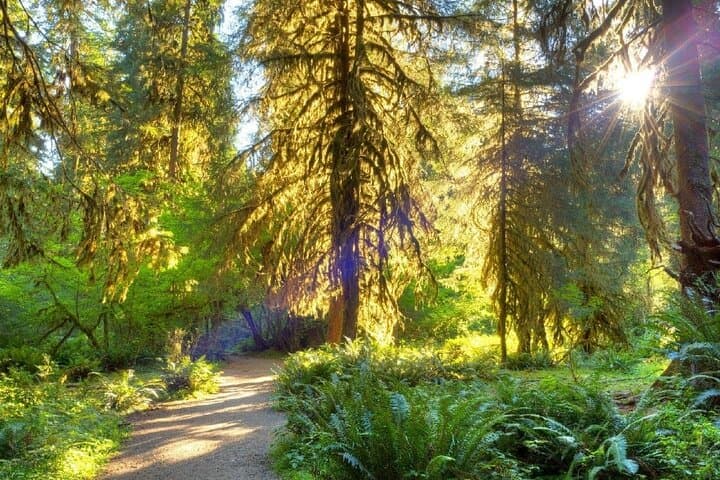
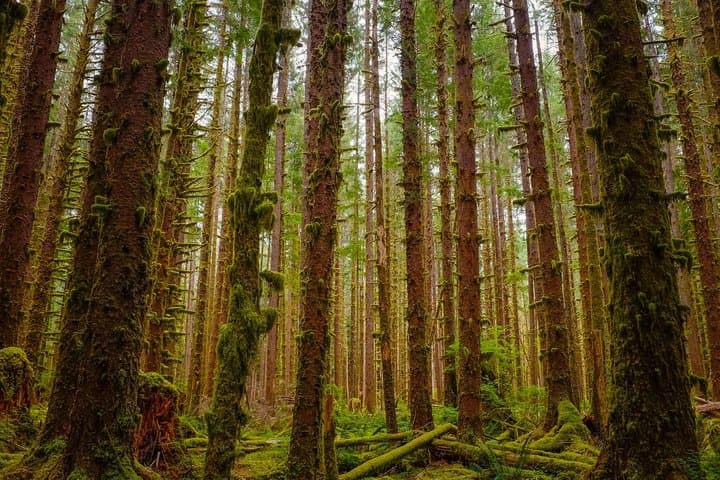
You push through the low-hanging limbs and the world turns green. Wet light filters through a canopy thick with spruce and western hemlock, and the trail softens beneath your boots as moss climbs trunks like a slow tide. The Hoh River runs beside you, daring you to slow down; its cold voice keeps time with your steps as the trail moves deeper into old-growth forest.
Verified experiences and guided adventures in the surrounding area.
Operated by Lasting Adventures · Forks, Washington
You push through the low-hanging limbs and the world turns green. Wet light filters through a canopy thick with spruce and western hemlock, and the trail softens beneath your boots as moss climbs trunks like a slow tide. The Hoh River runs beside you, daring you to slow down; its cold voice keeps time with your steps as the trail moves deeper into old-growth forest.
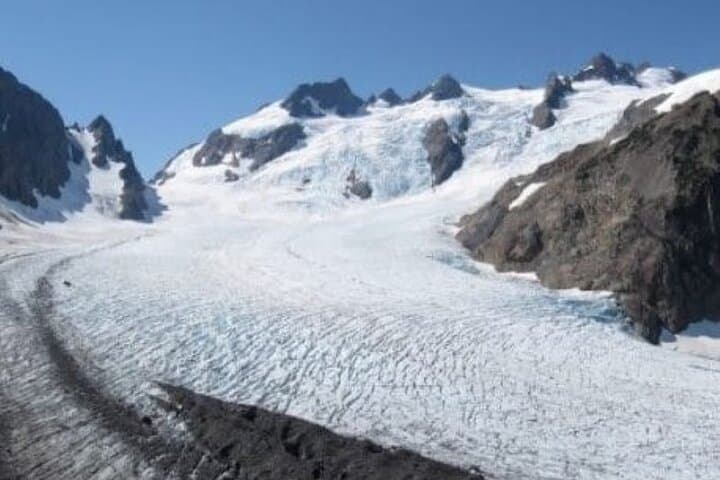
This five-day loop pairs temperate rainforest ease with a sudden, alpine finale: broad meadows at Lewis Meadows, the long march to Elk Lake, and the 6-mile roundtrip push up toward the Blue Glacier and the steep, stony feel of Mount Olympus overhead. The landscape reads like a lesson in geology — carved valleys, glacial till, and cirques shaped by the same ice that feeds the glacier you’ll study from the ridge.
Human history here is compact but significant. The Hoh and Quinault peoples have used these valleys for millennia; trails follow animal paths and seasonal foraging routes. The modern park system preserved this ecosystem, recognizing a rare temperate rainforest biome found on the Olympic Peninsula.
Expect changing ecosystems each day: river valley and moss-draped forest in the first miles, open alpine meadows and sprawling views by day three, and a long, steady descent back through understory ferns and spruce. Wildlife is present but often quiet — elk browse in meadows, black bears range the backcountry, and deer slip through subalpine brush. Guides for this trip combine route-finding, campsite setup, and Leave No Trace practice, and the operator includes permits and backcountry campsites as part of the itinerary.
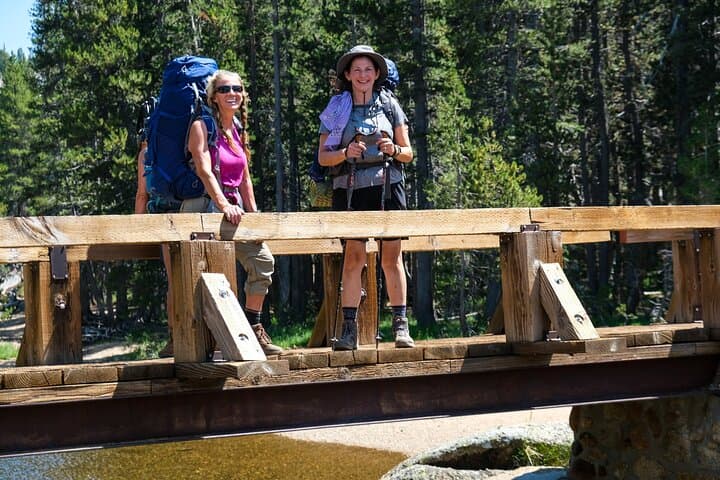
Practicalities are straightforward but honest. Each hiking day averages five to ten miles depending on the option to summit the glacier overlook, with the toughest section offering about 2,800 feet of gain on a 6-mile roundtrip push. Trails can be muddy, stream crossings are possible, and weather shifts fast even in summer. Sturdy waterproof boots, reliable rain layers, a 40–60L pack, and experience carrying overnight weight are essential. Guides provide meals, some gear on request, and instruction for cold, wet conditions.
Timing matters: go in summer for the clearest glacier views and more stable trail conditions; shoulder seasons carry more rain and fewer daylight hours. Respect wildlife by storing food properly and following bear-safety guidance. By day five, as the Hoh Visitor Center reappears and you walk the final flat miles, the rain-soaked forest feels both ancient and immediate — a landscape that rewards steady, patient travel.
challenging.
5 days.
Participants should have a high level of cardiovascular fitness and experience carrying a loaded pack over multi-day terrain.
Yes, this operator includes required backcountry permits and campsite fees in the trip price.
The Blue Glacier option is a strenuous 6-mile roundtrip with roughly 2,800 feet of gain; it requires good fitness but not technical glacier travel if you stop at the overlook.
Guides provide breakfasts, lunches, and dinners listed in the itinerary; bring personal snacks and any special dietary items noted at booking.
Cell coverage is sporadic to non-existent in the Hoh Valley and alpine zones; plan for minimal connectivity and use your guide as the communication point.
Store food properly, cook away from sleeping areas, make noise on switchbacks to avoid startling animals, and follow guide instructions for bear encounters.
The trip meets at the Hoh Rainforest Visitor Center at 2:00 PM on day one; confirm exact meeting instructions with the operator before arrival.
The Hoh and Quinault peoples have long-used these valleys; modern trails follow traditional routes and the park protects both ecological and cultural values.
Olympic National Park enforces strict Leave No Trace practices and food storage to protect wildlife; group sizes are limited to reduce campsite impact.
Lasting Adventures operates guided outdoor trips and adventures with an emphasis on safety, stewardship, and memorable experiences.
You push through the low-hanging limbs and the world turns green. Wet light filters through a canopy thick with spruce and western hemlock, and the trail softens beneath your boots as moss climbs trunks like a slow tide. The Hoh River runs beside you, daring you to slow down; its cold voice keeps time with your steps as the trail moves deeper into old-growth forest.
You push through the low-hanging limbs and the world turns green. Wet light filters through a canopy thick with spruce and western hemlock, and the trail softens beneath your boots as moss climbs trunks like a slow tide. The Hoh River runs beside you, daring you to slow down; its cold voice keeps time with your steps as the trail moves deeper into old-growth forest.
This five-day loop pairs temperate rainforest ease with a sudden, alpine finale: broad meadows at Lewis Meadows, the long march to Elk Lake, and the 6-mile roundtrip push up toward the Blue Glacier and the steep, stony feel of Mount Olympus overhead. The landscape reads like a lesson in geology — carved valleys, glacial till, and cirques shaped by the same ice that feeds the glacier you’ll study from the ridge.
Human history here is compact but significant. The Hoh and Quinault peoples have used these valleys for millennia; trails follow animal paths and seasonal foraging routes. The modern park system preserved this ecosystem, recognizing a rare temperate rainforest biome found on the Olympic Peninsula.
Expect changing ecosystems each day: river valley and moss-draped forest in the first miles, open alpine meadows and sprawling views by day three, and a long, steady descent back through understory ferns and spruce. Wildlife is present but often quiet — elk browse in meadows, black bears range the backcountry, and deer slip through subalpine brush. Guides for this trip combine route-finding, campsite setup, and Leave No Trace practice, and the operator includes permits and backcountry campsites as part of the itinerary.
Practicalities are straightforward but honest. Each hiking day averages five to ten miles depending on the option to summit the glacier overlook, with the toughest section offering about 2,800 feet of gain on a 6-mile roundtrip push. Trails can be muddy, stream crossings are possible, and weather shifts fast even in summer. Sturdy waterproof boots, reliable rain layers, a 40–60L pack, and experience carrying overnight weight are essential. Guides provide meals, some gear on request, and instruction for cold, wet conditions.
Timing matters: go in summer for the clearest glacier views and more stable trail conditions; shoulder seasons carry more rain and fewer daylight hours. Respect wildlife by storing food properly and following bear-safety guidance. By day five, as the Hoh Visitor Center reappears and you walk the final flat miles, the rain-soaked forest feels both ancient and immediate — a landscape that rewards steady, patient travel.