THE ADVENTURE COLLECTIVE® · Independent discovery and booking for outdoor travel

Five days on the Marangu Route carry you from rainforest to the crater rim of Africa’s highest mountain. This hut‑based ascent is the quickest way to Uhuru Peak—efficient, social, and demanding careful acclimatization.
Five days on the Marangu Route carry you from rainforest to the crater rim of Africa’s highest mountain. This hut‑based ascent is the quickest way to Uhuru Peak—efficient, social, and demanding careful acclimatization.
Night on Kilimanjaro has a way of sharpening the small things: the ragged breath of a teammate, the click of crampon straps, the silhouette of Mawenzi against a sky that feels impossibly close. On the Marangu Route you wake and sleep inside the mountain’s profile—forest at your back, the austere Saddle ahead—and over five days you push from 1,860 m at Marangu Gate to Uhuru Peak at 5,895 m.
Verified experiences and guided adventures in the surrounding area.
Operated by Intrepid Explorer Tanzania · Moshi, Kilimanjaro Region
Night on Kilimanjaro has a way of sharpening the small things: the ragged breath of a teammate, the click of crampon straps, the silhouette of Mawenzi against a sky that feels impossibly close. On the Marangu Route you wake and sleep inside the mountain’s profile—forest at your back, the austere Saddle ahead—and over five days you push from 1,860 m at Marangu Gate to Uhuru Peak at 5,895 m.
The Marangu—often called the Coca‑Cola Route—was the first path cut into Kilimanjaro for commercial climbers. Its timberline, moorland and high desert reveal the volcano’s geologic story: layered volcanic cones, a summit caldera, and glacial remnants scoured into Hans Meyer Cave and the crater rim at Gillman’s Point. Culturally, the slopes rise above the Masai and Chagga lands; the Chagga people cultivated the lower slopes for centuries, shaping drainage lines and trail corridors you’ll follow with guides and porters who carry tradition and logistics uphill.
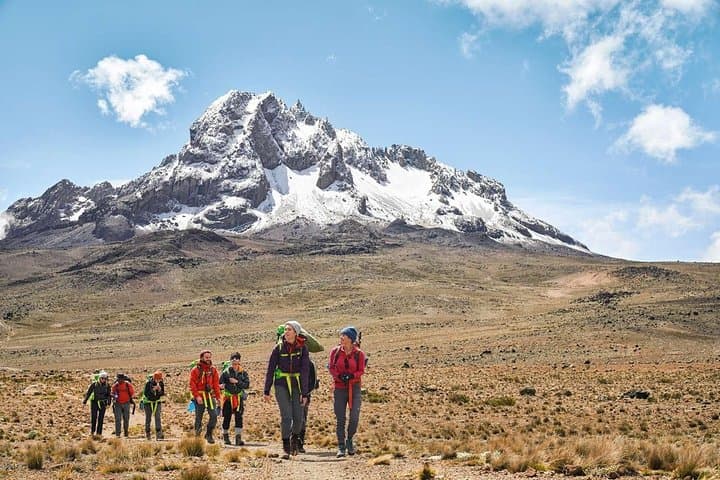
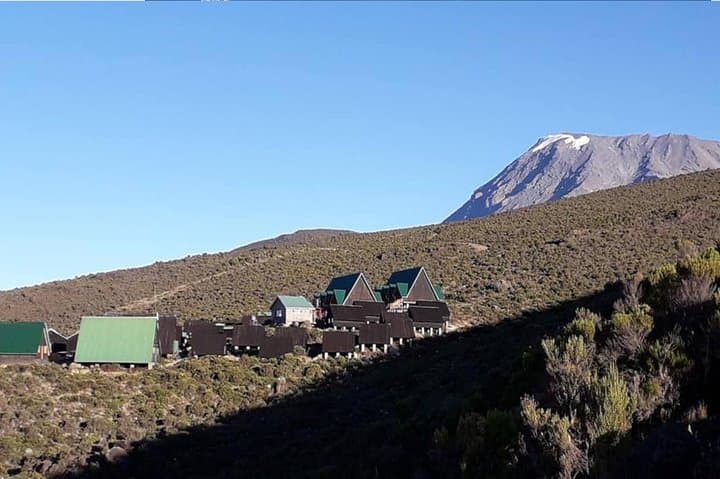
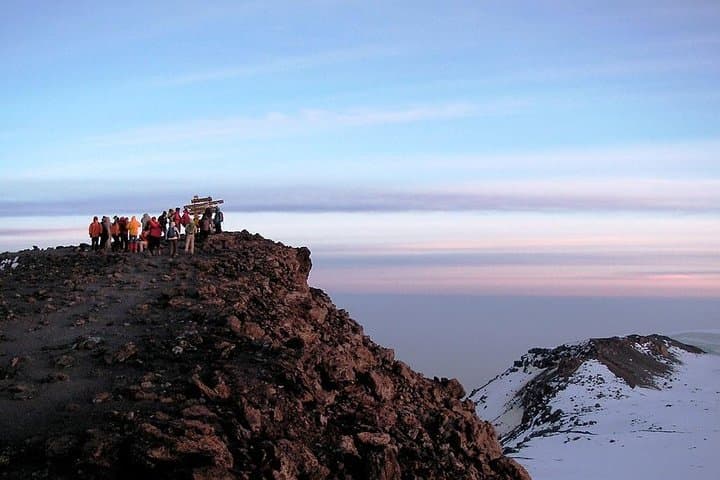
Days are practical and relentless: Day 1 is a 5‑hour push through dense rainforest to Mandara Hut (2,700 m), where primates rustle the canopy and moisture beads on moss. Day 2 gains timberline into heath and moor—a 7–9 hour march to Horombo Hut (3,700 m). Day 3 climbs the Saddle to Kibo Hut (4,700 m) across near‑vegetationless plateau; Day 4 is the summit window—a midnight departure, a sunrise at Gillman’s Point and a final ridge to Uhuru Peak (5,895 m) before descending back to Horombo. The final day returns you to Marangu Gate.
Logistics are straightforward: nights in mountain huts, three meals a day on the mountain, local guides, porters, and emergency oxygen included. The trade‑off is speed—this is the fastest hut‑based route, and quicker ascent reduces acclimatization time, which affects summit odds. Expect well‑made trails but thin air and sharp solar exposure above 4,000 m.
Practical guidance: train with sustained uphill cardio and back‑to‑back hiking days; prioritize sleep and steady pacing on summit night. Bring layered clothing—temperatures swing from humid rainforest to subzero winds—water purification, and poles for the Saddle and summit scree. Hydrate early and often; symptoms of altitude can appear suddenly, and your guides will monitor your pulse and oxygen.
When to go: dry months (January–March, June–October) offer firmer ground and clearer summit views; shoulder seasons see fewer climbers but more weather variability. Remember that success on Kilimanjaro is as much about pacing and adaptation as it is about grit—listen to your guides, respect the mountain’s timelines, and leave time afterward in Moshi to recover and celebrate.
challenging.
5 days.
Require good cardiovascular fitness and experience with long day hikes; ability to hike 6–10 hours with a light pack.
Marangu is shorter in days and uses huts, making logistics easier but offering less acclimatization time—physically manageable but with a lower summit success rate than longer routes.
Huts are shared dormitory style with bunk beds; expect basic sleeping arrangements and bring a warm sleeping liner for the cold nights.
Yes—your qualified mountain guide leads the group, assisted by assistant guides and porters; emergency oxygen is carried but not used as a summit aid.
Not strictly, but prior experience with multi‑day hikes and an understanding of altitude symptoms improves your odds and comfort.
Sturdy, waterproof, broken‑in boots with ankle support and a stiff sole are recommended for scree, wet trails and long days.
Book your arrival transfer to Moshi and one pre‑climb hotel night (included) and a post‑climb night to recover—flights can be affected by regional delays, so allow buffer time.
Marangu was the first commercial route on Kilimanjaro and historically served as a trade and grazing corridor for Chagga communities who shaped the lower slopes.
Kilimanjaro National Park manages trail use and hut facilities; follow Leave No Trace, avoid open fires above tree line, and support local porters and guides through fair tipping.
Intrepid Explorer Tanzania operates guided outdoor trips and adventures with an emphasis on safety, stewardship, and memorable experiences.
Night on Kilimanjaro has a way of sharpening the small things: the ragged breath of a teammate, the click of crampon straps, the silhouette of Mawenzi against a sky that feels impossibly close. On the Marangu Route you wake and sleep inside the mountain’s profile—forest at your back, the austere Saddle ahead—and over five days you push from 1,860 m at Marangu Gate to Uhuru Peak at 5,895 m.
Night on Kilimanjaro has a way of sharpening the small things: the ragged breath of a teammate, the click of crampon straps, the silhouette of Mawenzi against a sky that feels impossibly close. On the Marangu Route you wake and sleep inside the mountain’s profile—forest at your back, the austere Saddle ahead—and over five days you push from 1,860 m at Marangu Gate to Uhuru Peak at 5,895 m.
The Marangu—often called the Coca‑Cola Route—was the first path cut into Kilimanjaro for commercial climbers. Its timberline, moorland and high desert reveal the volcano’s geologic story: layered volcanic cones, a summit caldera, and glacial remnants scoured into Hans Meyer Cave and the crater rim at Gillman’s Point. Culturally, the slopes rise above the Masai and Chagga lands; the Chagga people cultivated the lower slopes for centuries, shaping drainage lines and trail corridors you’ll follow with guides and porters who carry tradition and logistics uphill.
Days are practical and relentless: Day 1 is a 5‑hour push through dense rainforest to Mandara Hut (2,700 m), where primates rustle the canopy and moisture beads on moss. Day 2 gains timberline into heath and moor—a 7–9 hour march to Horombo Hut (3,700 m). Day 3 climbs the Saddle to Kibo Hut (4,700 m) across near‑vegetationless plateau; Day 4 is the summit window—a midnight departure, a sunrise at Gillman’s Point and a final ridge to Uhuru Peak (5,895 m) before descending back to Horombo. The final day returns you to Marangu Gate.
Logistics are straightforward: nights in mountain huts, three meals a day on the mountain, local guides, porters, and emergency oxygen included. The trade‑off is speed—this is the fastest hut‑based route, and quicker ascent reduces acclimatization time, which affects summit odds. Expect well‑made trails but thin air and sharp solar exposure above 4,000 m.
Practical guidance: train with sustained uphill cardio and back‑to‑back hiking days; prioritize sleep and steady pacing on summit night. Bring layered clothing—temperatures swing from humid rainforest to subzero winds—water purification, and poles for the Saddle and summit scree. Hydrate early and often; symptoms of altitude can appear suddenly, and your guides will monitor your pulse and oxygen.
When to go: dry months (January–March, June–October) offer firmer ground and clearer summit views; shoulder seasons see fewer climbers but more weather variability. Remember that success on Kilimanjaro is as much about pacing and adaptation as it is about grit—listen to your guides, respect the mountain’s timelines, and leave time afterward in Moshi to recover and celebrate.